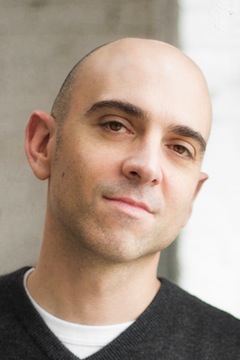

Lionel Shriver / photo by Terri Gelenian-Wood / Via http://en.wikipedia.org/wiki/File:Lionel_Shriver_for_Wikipedia.jpg
[It] does have a kind of indulgent, middle-class gestalt. The grim truth is that most people who get MFAs will not go on to be professional writers and therefore when I’ve been on the other side of it and occasionally taught creative writing, I felt a little bit guilty because so many of the people that you should be encouraging, because there’s no point to it if you’re not encouraging, are not going to make it. And I think that’s true across the board in the arts.
Watch the whole video here. And tell us: if you attended an MFA program, did you find it helpful? If you teach creative writing, do you feel “guilty” at encouraging writers who, statistically speaking, are almost certainly never going to make it?