Night of the Living Rez, by Morgan Talty
by Rachel León
“An impressive debut filled with brilliant stories to revisit.” Rachel León on Morgan Talty’s Night of the Living Rez.
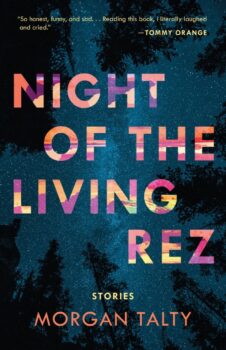
“An impressive debut filled with brilliant stories to revisit.” Rachel León on Morgan Talty’s Night of the Living Rez.
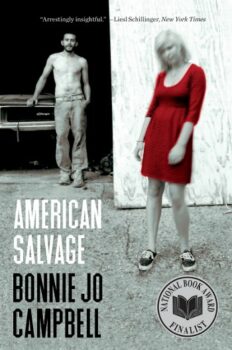
From the Archives: Here, triangulated between the grit and hardship of necessity, the loneliness of nature and a reverence for it, and the migrations of good and decent hearts—or, at least, hearts that strive in clumsy, sometimes self-defeating ways to be so—through a world that feels cold or, worse, actively hostile to their concerns, Bonnie Jo Campbell has located and renewed the rural ache.
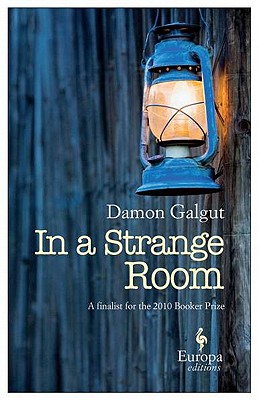
From the Archives: In a Strange Room chronicles Damon’s travels as he journeys from Greece, to various countries in Africa, to India. Traveling, in general, disorients. We are displaced from our normal locations, we are observing places that are not our own, and our minds constantly compare the new, foreign place with the familiar one.
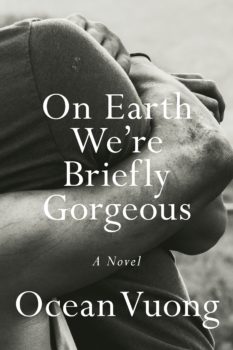
From the Archives: “Art needs to be honest. Sometimes, it’s the only pure honesty you’ll get all day.” Emily Nagin reviews Ocean Vuong’s debut novel, On Earth We’re Briefly Gorgeous.
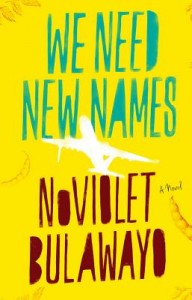
From the Archives: NoViolet Bulawayo’s stunning debut novel asks difficult questions amid the contrasting landscapes of a Zimbabwe shantytown and bone-chilling Michigan.
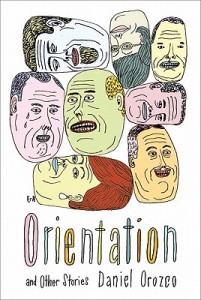
From the Archives: After waiting impatiently for Daniel Orozco’s debut story collection, J.T. Bushnell finds that it exceeds all expectations. Bushnell calls these stories “full of satire and absurdity and insight.”
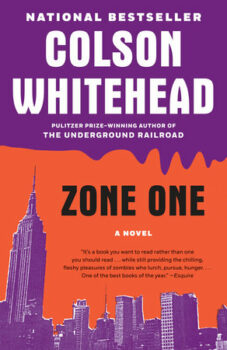
From the Archives: We celebrate Valentine’s Day with an homage to the living dead: Colson Whitehead’s Zone One. Don’t fancy a date with scary slavering? No matter. Michael Rudin finds the novel reads like an existential valentine to New York City, and that’s something even a zombie can love.
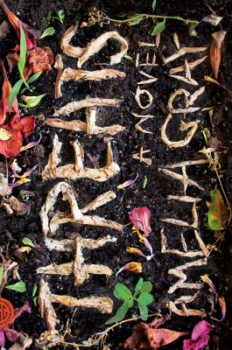
From the Archives: Your one person dies. Does life’s plot float away like a sinister version of the house in Up? Amelia Gray’s debut novel, Threats, gets cozy with chaos. Anxious? You damn well should be.
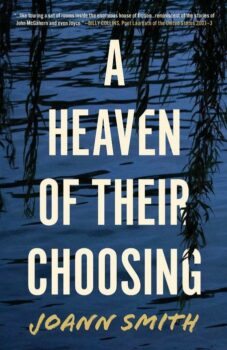
“You will find yourself returning to these characters time and again, reconsidering the little choices that make your own life what it is.” Sophia Khan on Joann Smith’s debut collection, A Heaven of Their Choosing.
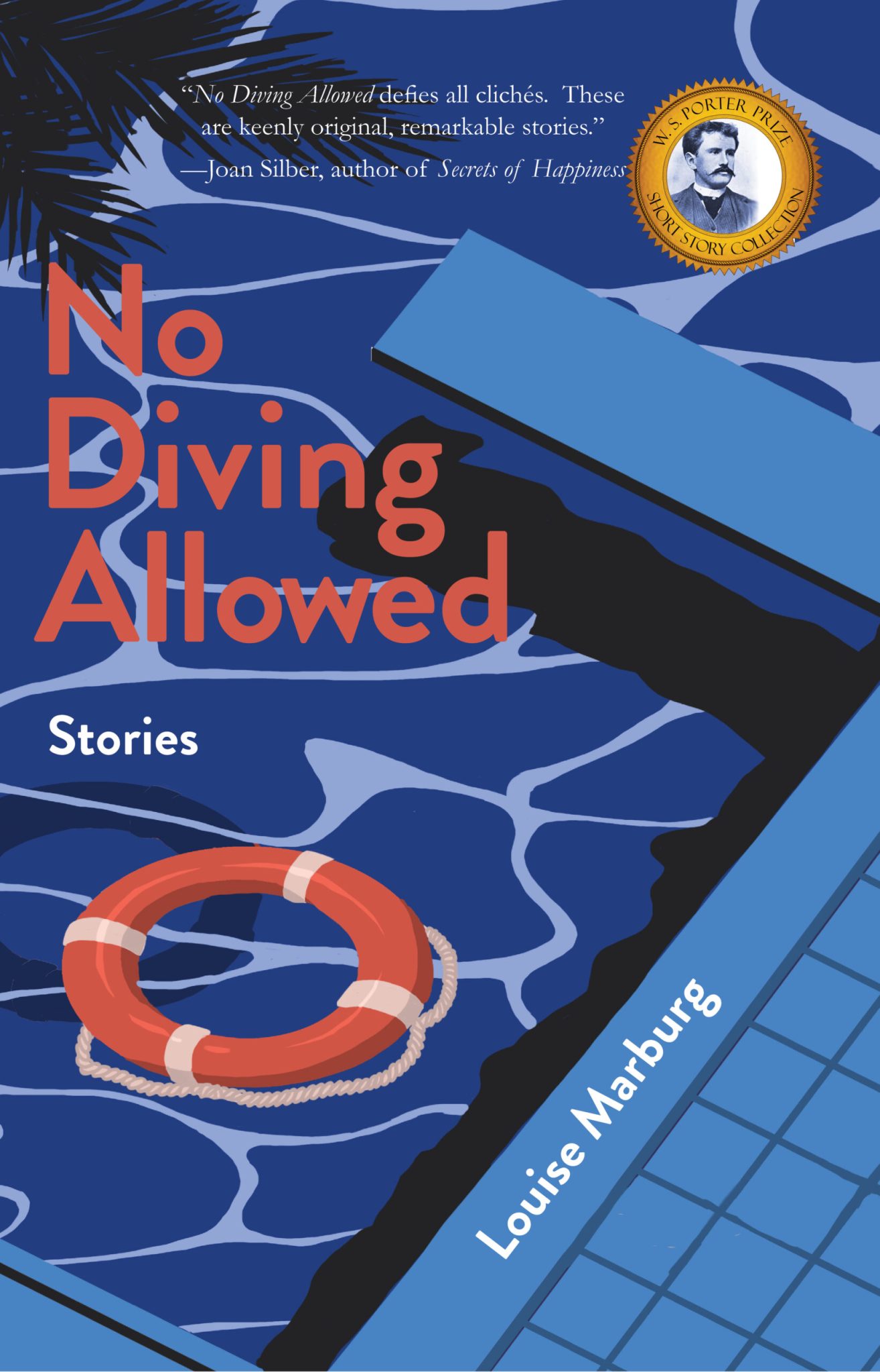
“No Diving Allowed defies the literary cult of likability.” Mary Volmer reviews Louise Marburg’s latest collection.
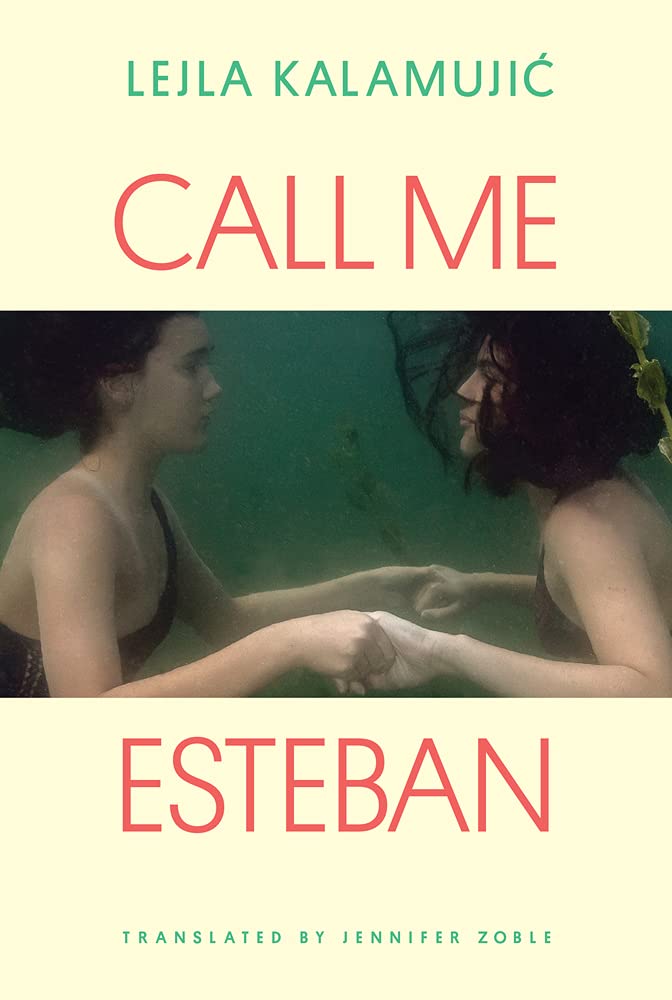
Costa B. Pappas reviews Lejla Kalamujić’s new novel, Call Me Esteban.
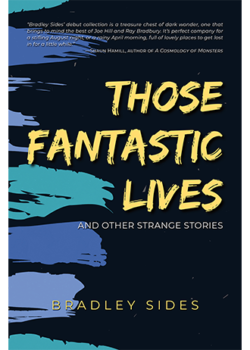
“Perhaps this is what is so successful about Those Fantastic Lives: the collection goes beyond familiar narratives of the supernatural by asking why we are afraid of monsters and ghosts, and the things we cannot explain…” Costa B. Pappas reviews Bradley Sides’s debut collection.