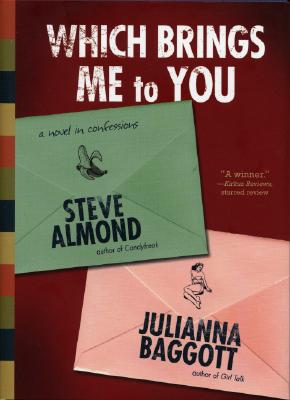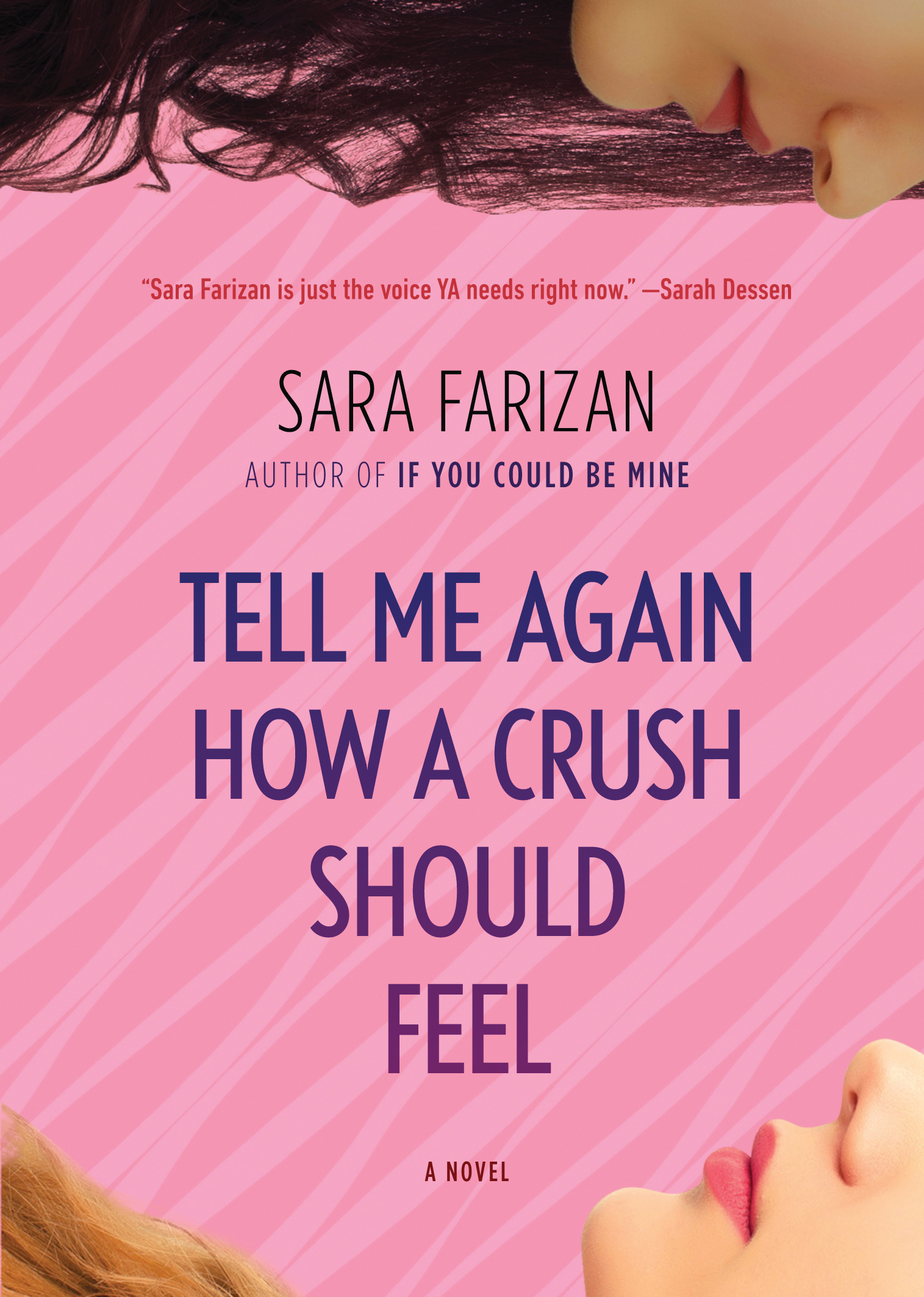
That’s what Pamela Paul wants to know in her recent New York Times essay. Observes Paul:

image credit: Ross McDonald, New York Times

image credit: Ross McDonald, New York Times

But big type and short, plot-driven chapters aside, the erosion of age-­determined book categories, initiated by Harry Potter, has been hastened along by an influx of crossover authors like Stephenie Meyer and interlopers like Sherman Alexie, James Patterson, Francine Prose, Carl Hiaasen and John Grisham, to name just a few stars from across the spectrum of adult fiction who have turned to writing Y.A. According to surveys by the Codex Group, a consultant to the publishing industry, 47 percent of 18- to 24-year-old women and 24 percent of same-aged men say most of the books they buy are classified as young adult. The percentage of female Y.A. fans between the ages of 25 and 44 has nearly doubled in the past four years. Today, nearly one in five 35- to 44-year-olds say they most frequently buy Y.A. books. For themselves.

Moreover, the lines between YA and “Grownup lit” (for lack of a better term) grow increasingly blurred. On a recent bookstore trip, I spotted Yann Martel’s Life of Pi on a high school reading list. Stieg Larsson’s Millenium Trilogy is only the latest example of novels with wide age appeal. Perhaps, as Paul suggests in her essay, the answer lies in the power of an old-fashioned story:

“A lot of contemporary adult literature is characterized by a real distrust of plot,” [TIME book critic Lev] Grossman said. “I think young adult fiction is one of the few areas of literature right now where storytelling really thrives.”

We’ve long been fans of smart YA here at Fiction Writers Review. So it’s refreshing to hear others agree: serious literary discussions can indeed follow from young adult–oriented literature.

* For those of you apparently too old, YA stands for “Young Adult lit.”
One response to “How old is too old for YA*?”

  1. Anne Stameshkin says:

    Thanks for pointing us to this great essay, Celeste! I’m a proud fan of well-written YA lit, especially the kind with crossover potential…the kind that is, at least on some level, kind of secretly for grownups. Labeling always comes with baggage (and sometimes regrettable cover art), but it’s always interesting to consider why it is or isn’t an advantage to market a book as YA. And are there really clear distinctions between first-rate YA and first-rate literary fiction?

    Earlier this summer, Laura Miller (reviewing The Hunger Games in the New Yorker) made this interesting argument about one genre of YA: “Dystopian fiction may be the only genre written for children that’s routinely less didactic than its adult counterpart. It’s not about persuading the reader to stop something terrible from happening—it’s about what’s happening, right this minute, in the stormy psyche of the adolescent reader. [...] ‘The Hunger Games’ is not an argument.”

    I’d take this a step further and say that while many YA novels–dystopian or not–are what we’d call novels of ideas, the best of them (like the best of their adult counterparts) are first and foremost novels of stories and novels of characters–and the very best are also novels of rich, exciting, and/or witty language.

    And in YA lit, even when it’s trashy, things happen, and those things tend to mean something. This is not necessarily true in even some of the most lauded literary fiction: its writers (and I’d include most of us who write for this site in that category!) live in fear of being too obvious, of literalizing symbols, of meaning something too directly, of being too sentimental or sensational, of letting our characters be too happy or suffer too much… But there’s a fine line between realism and dullness, between subtlety and vagueness, between ambiguity and confusion.

    Pamela Paul’s essay makes me feel more convinced than ever that writers of any stripe might learn a lot from reading YA, from considering closely why we–and many of the same readers we hope will read our work–are passionate about this genre. We know that kids have a nose for fakery and a short attention span: they want to be enchanted, impressed, moved, surprised. But really, don’t we all?

Comment