The People We Know: An Interview with Donald Ray Pollock

The People We Know: An Interview with Donald Ray Pollock

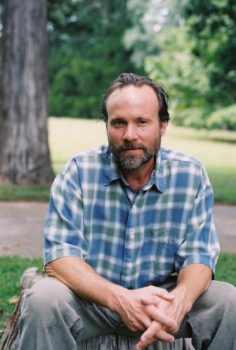
Donald Ray Pollock, author of the 2008 collection Knockemstiff, left high school at seventeen to work at a meatpacking plant. A year later, he landed a union job at the Mead Paper Mill in Chillicothe, where he worked for the next thirty-two years. He didn’t start writing until his forties, and even then he kept his day job—writing mornings, nights, and weekends. Lydia Fitzpatrick and Kate Levin talk with the author about coming to writing late, getting an MFA, and making disreputable characters empathetic.

The Shape of Disaster: An Interview with Margaret Lazarus Dean

The Shape of Disaster: An Interview with Margaret Lazarus Dean

Margaret Lazarus Dean’s The Time It Takes to Fall takes place in the early 80’s in Cape Canaveral, a space town, during a time when NASA and shuttle launches were still a part of the American story of success. Jennifer Metsker talks with the author about how the Challenger disaster affected us, the unique ways fiction captures the felt world, writing from the point of view of a child, and why we should allow our characters to misbehave.

Elephants and Online Fiction: An Interview with Michael Czyzniejewski

Elephants and Online Fiction: An Interview with Michael Czyzniejewski

Author of the recently published short story collection Elephants in Our Bedroom, Michael Czyzniejewski grew up in the Chicago suburb of Calumet City, Illinois. He graduated from the University of Illinois in 1995 with a degree in rhetoric, and two years later, he received an MFA in fiction from Bowling Green State University.

The Rebel from Helena: An Interview with Maile Meloy

The Rebel from Helena: An Interview with Maile Meloy

Through prose that is concise, confident, and empathetic, Malie Meloy evokes what David Foster Wallace called the “plain old untrendy human troubles and emotions” of life, and treats them with “reverence and conviction.” Joshua Bodwell talked with Meloy about her newest collection, Both Ways Is the Only Way I Want It, the craft of writing short fiction, and the art of finding the right voice for a story.

Creative Writing and the University: an Interview with Mark McGurl

Creative Writing and the University: an Interview with Mark McGurl

McGurl, a professor of English at UCLA, is a literary scholar who actually likes writers. More amazingly, he likes MFA programs. In The Program Era, published by Harvard University Press, McGurl argues that the rise of the MFA program in the twentieth century made a uniquely significant contribution to the excellence of postwar American literature.

Listening to the Tiny Voice: An Interview with Kathryn Ma

Listening to the Tiny Voice: An Interview with Kathryn Ma

Neela Banerjee talks with Kathryn Ma, the first Asian American to win the Iowa Prize in that contest’s 40-year history. Ma channels rage and its antidote, humor, in her debut collection, All That Work and Still No Boys, which features unapologetically Asian American characters who don’t do any cooking or talking to ghosts.

<em>Miles from Nowhere</em>: A Conversation with Nami Mun

Miles from Nowhere: A Conversation with Nami Mun

“Fiction is my default writing mode. Whenever I witness something odd on the streets or hear intriguing dialogue on the trains, my first impulse is to drop these things into my fiction bank. I don’t have a memoir bank. Fiction, to me, is running through the woods rather than running on a treadmill. It’s freedom to make up characters, setting, situations, etc.—and through this freedom I feel better equipped to express and explore my ideas.”

Those Magic Carbons: A Conversation with Eileen Pollack

Those Magic Carbons: A Conversation with Eileen Pollack

Brian Short talks to fiction guru Eileen Pollack about the juggling act of writing fiction, teaching writing, and directing the Creative Writing MFA program at the University of Michigan. Her advice to writers: Be bold.

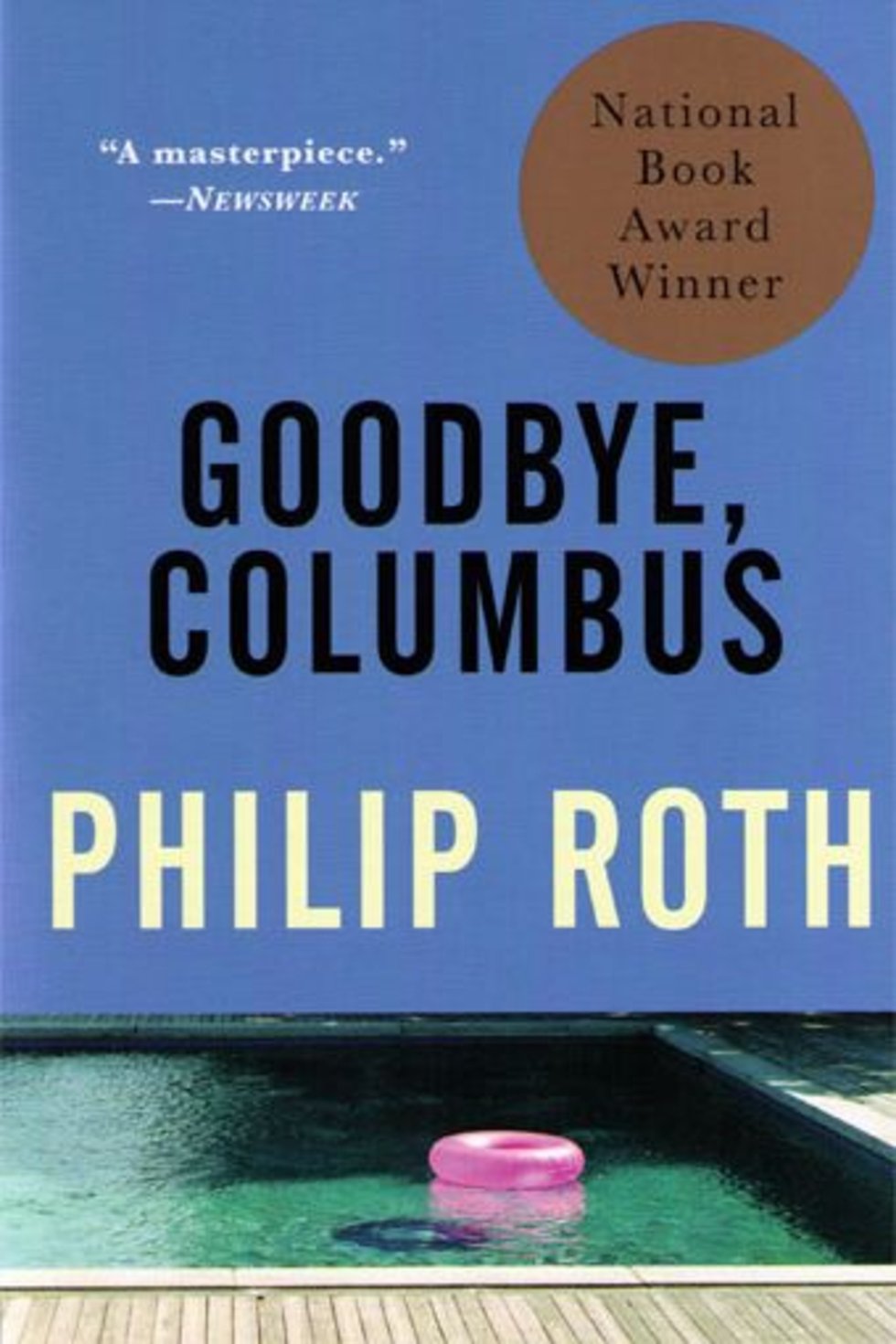
“The first thing I love, when I read, is the language. I can’t read anything where I don’t like the voice. What else do I like? I like plot, I like setting, I like humor, I like boldness. I think part of it has to do with being female. No one ever told Philip Roth to be more timid or nice, to have nicer characters or less sex, to not be as broad. And when a woman tests boundaries, it’s seen as unbecoming. We’re supposed to write these quiet, domestic stories or novels. I’ve just never been one to do that.”

Unexpected Connections: A Conversation with Allison Amend

Unexpected Connections: A Conversation with Allison Amend

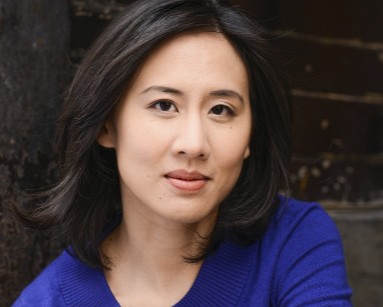
Celeste Ng talks with Allison Amend about the author’s debut short story collection, Things That Pass for Love, as well as “likeable” characters, unfaithful dogs, the future of short fiction, Allison’s current projects, and those unexpected moments we share with strangers.

Know Then Thyself: A Conversation with Jeffrey Rotter

Know Then Thyself: A Conversation with Jeffrey Rotter

Lee Thomas talks to debut novelist Jeffrey Rotter about the social risks of homemade clothing, museums as metaphors, the parallels between As I Lay Dying and reality T.V., and the ways in which imagination can change the world – for good and evil. The title of Rotter’s novel, The Unknown Knowns, alludes to that Donald Rumsfeld speech of linguistic loop-de-loops that would have driven George Orwell crazy; the book, which looks askance at our modern take on “Us vs. Them,” tackles the ontological questions presented by our vague and shadowy paranoia, but ups the ante considerably beyond the present moment in history to the personal crises that drive all good stories.