Suspend Your Disbelief

Essays

Essays |

The 2011 Sozopol Fiction Seminar: Part II

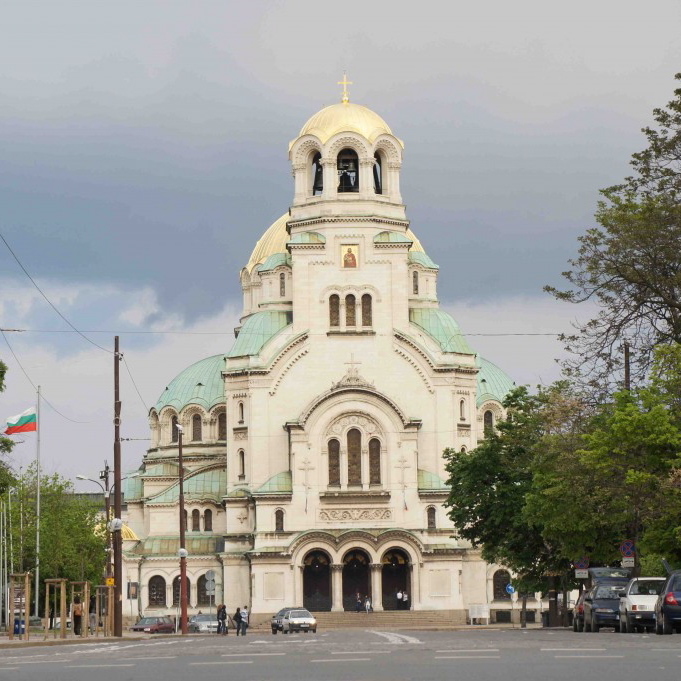
Step two: engage. Sozopol coverage continues with Molly Antopol’s conversation with Bulgarian author Miroslav Penkov and Lee Kaplan Romer’s meditation on writing as an act of defiance and grace.


Essays |

The 2011 Sozopol Fiction Seminar: Part I

Step One: Leave home. Three fellows from the Sozopol Fiction Seminar consider questions of travel, culture, and translation. Part I: John Struloeff on international diplomacy and collaboration, Jane E. Martin on finding home abroad, and Michael Hinken on how we rediscover home by leaving it. Later this week: Molly Antopol and Lee Romer Kaplan.


Essays |

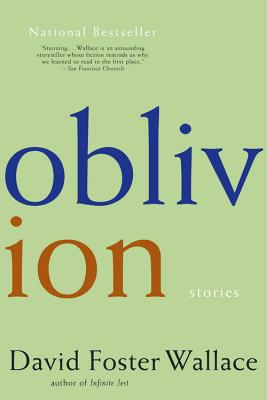
DFW + Me = An ‘Arranged’ Marriage of Music and Fiction

What happens when a composer falls in love with a David Foster Wallace short story? Eric Moe describes the genesis of his “sit-trag /concert monodrama” Tri-Stan, his correspondence with DFW about the project, the challenges of translating a short story to a one-woman vocal piece, and why “making art is a lot more exciting when big risks are being taken.”


Essays |

The Future of Literary Citizenship: A Review Essay

With the rise of digital culture, teachers must examine how to help students connect with literature all over again, and teachers who are also writers have a particular interest in building students’ “literary citizenship.” Writer and teacher Anna Leahy looks for perspectives on this dilemma in four books by Marjorie Garber, Christina Vischer Bruns, Kevin Stein, and David Orr.


Essays |

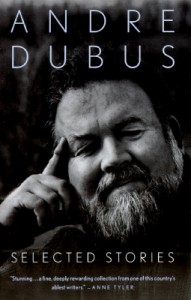
The Problem of the Author: On Not Reading Autobiography into the Writing of Andre Dubus

What is the difference between art and life, between the writer and the writing? In this essay on the late, great Andre Dubus, we learn how Dubus recognized “transformative moments” as authors Richard Ford and Anne Beattie, among others, weigh in on his talents, and his legacy.


Essays |

[POETRY FOR PROSERS] "We have poets? Do they wear capes?": A sort-of review of David Orr’s Beautiful and Pointless (and some meditations on poets and poetry)

Why did I feel such hope when I first heard about David Orr’s new book, Beautiful and Pointless: A Guide to Modern Poetry? I’ve read my share of poetry guides, and most of them have taken up residence in a particularly dusty neighborhood on my poetry bookshelf. But Orr’s book had a title that pretty much summed up my own weary but hopeful sentiments about contemporary poetry.