Thanksgiving shout-out
by Anne Stameshkin
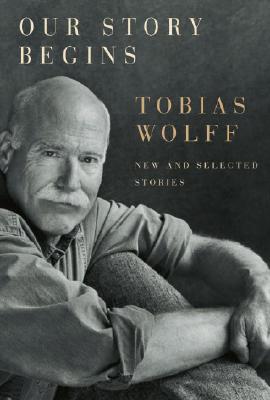
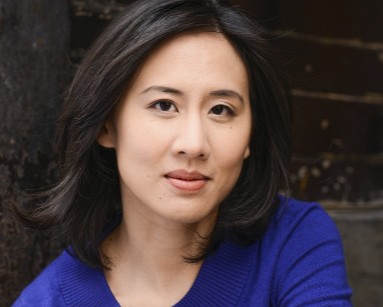
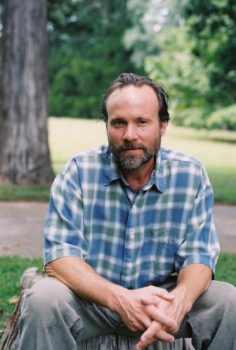
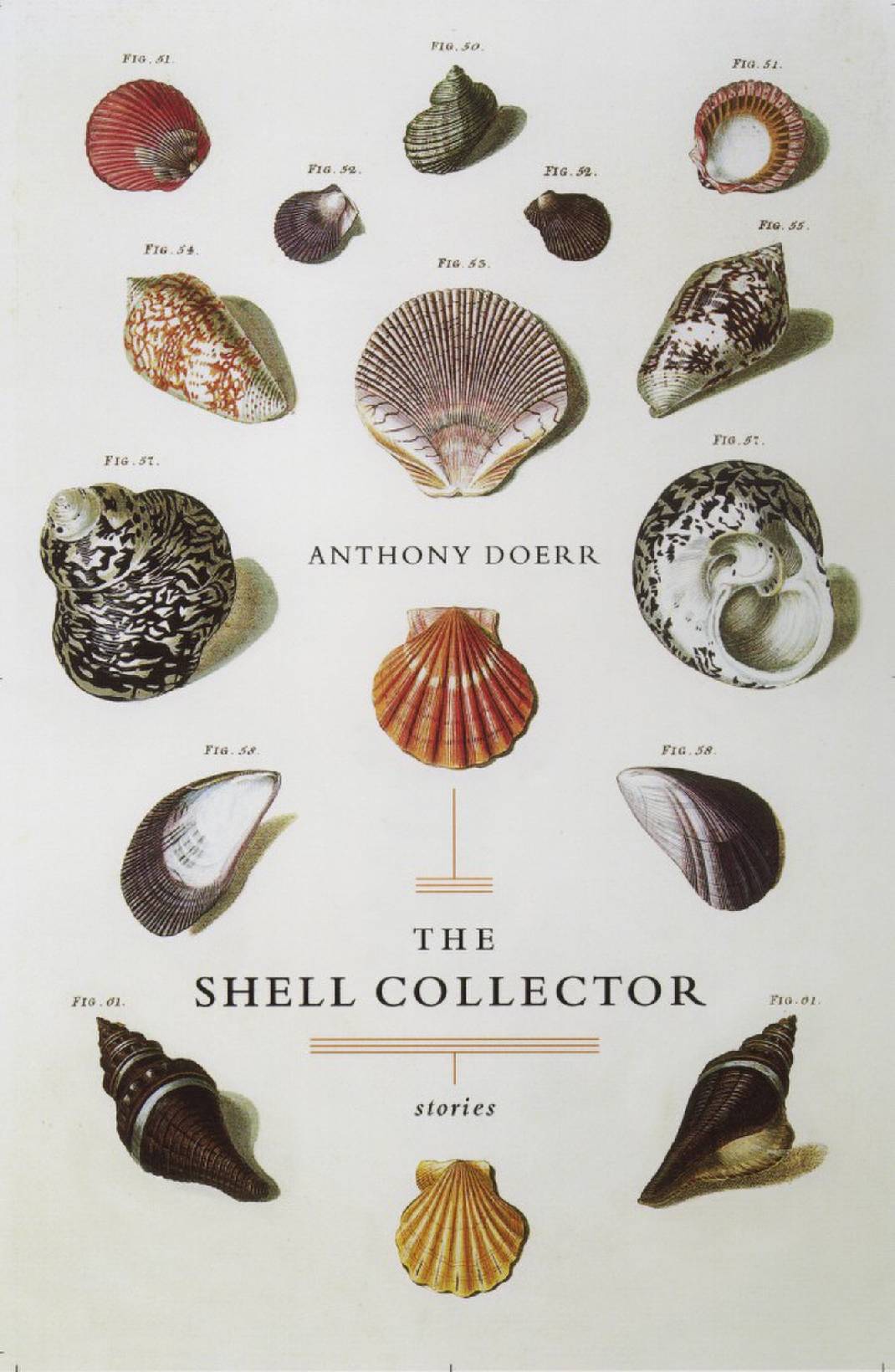
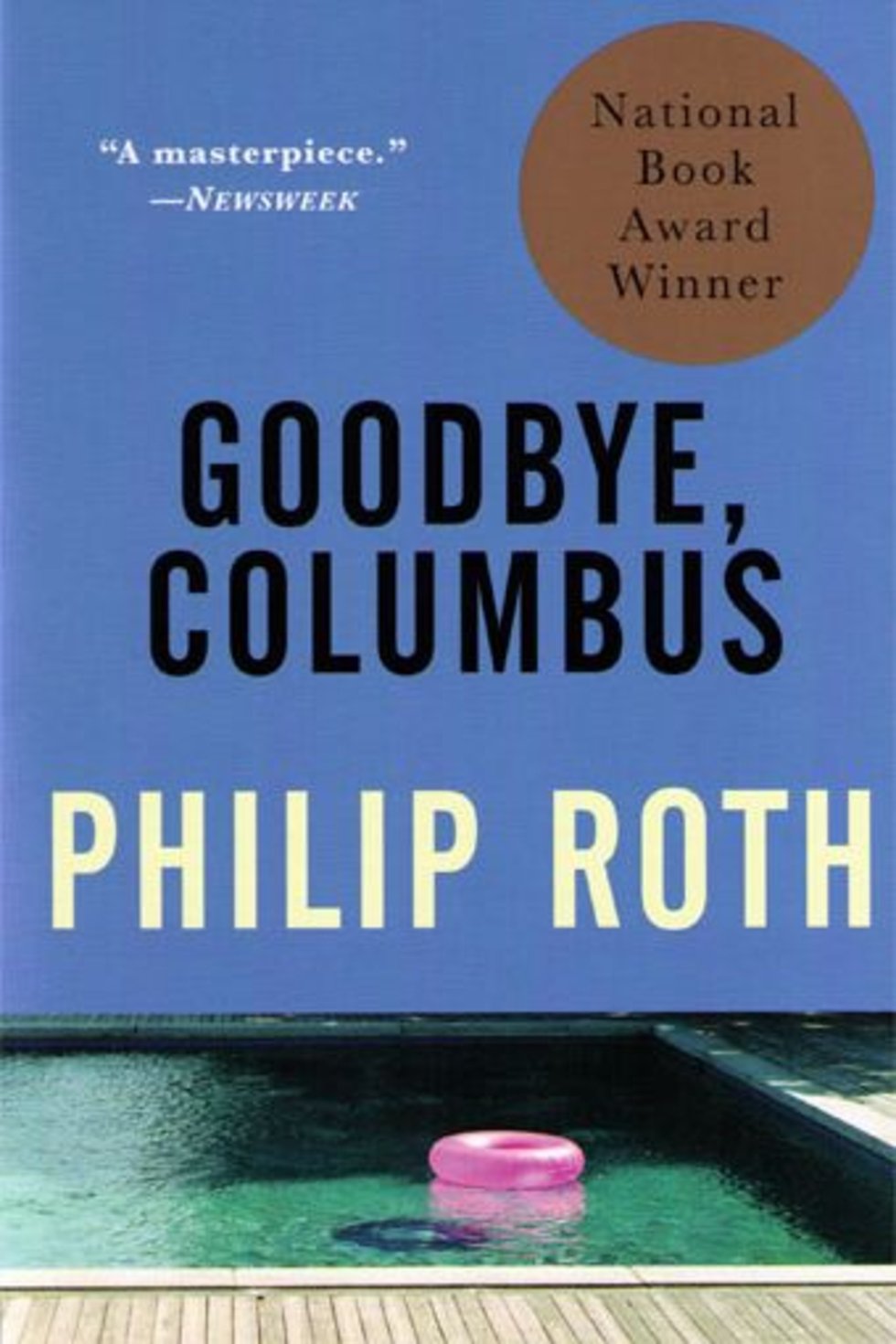
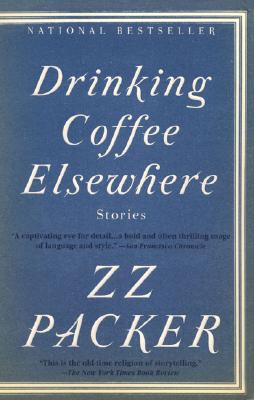
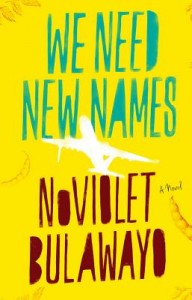
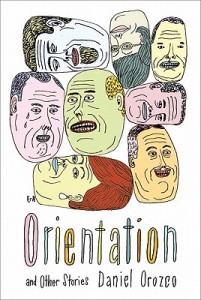
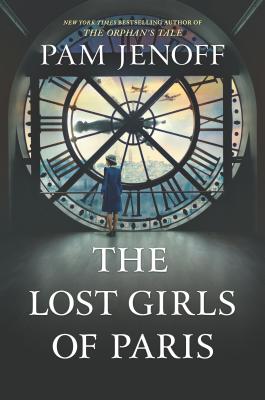
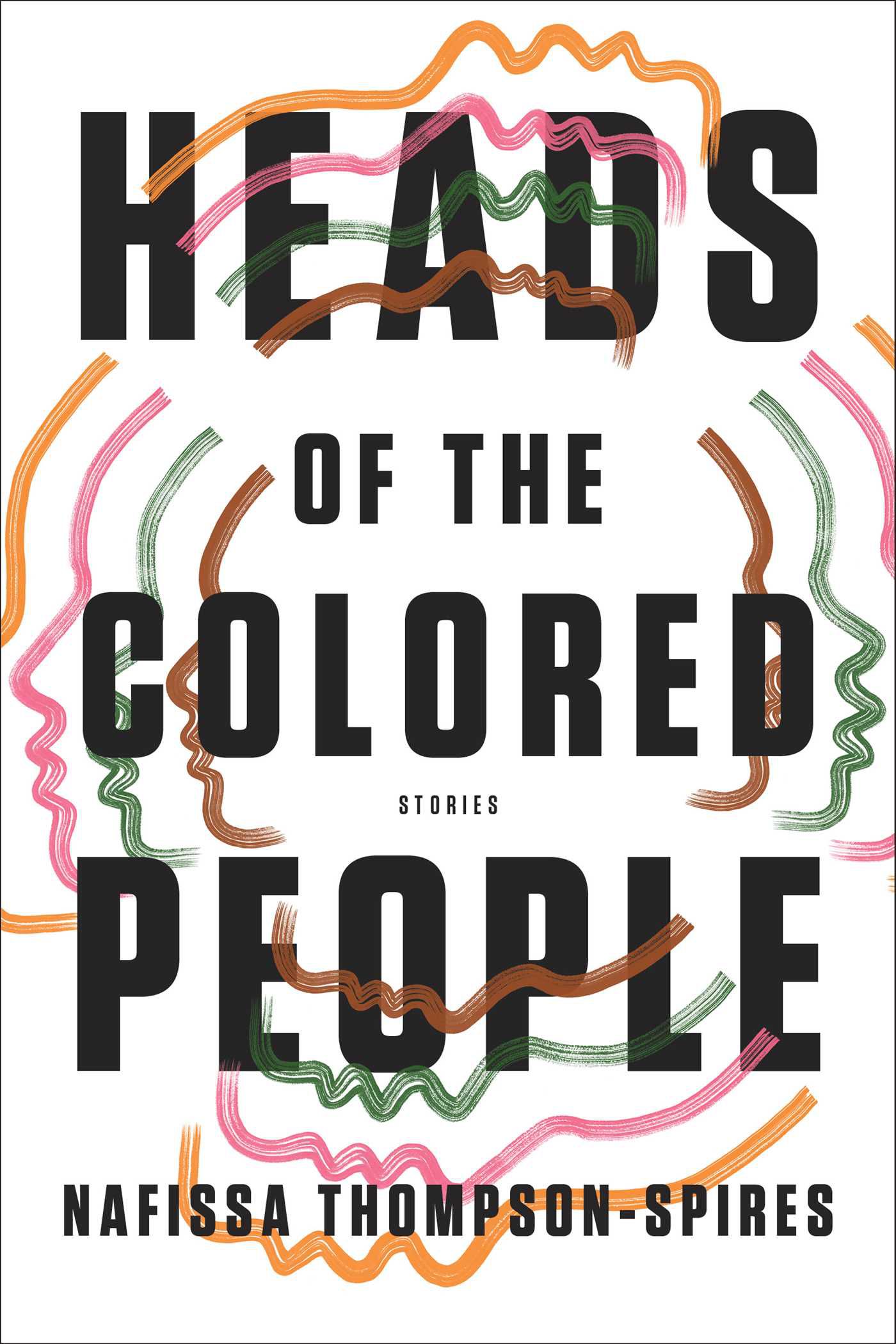
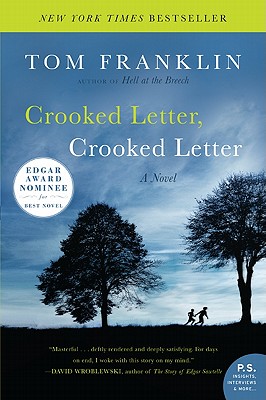
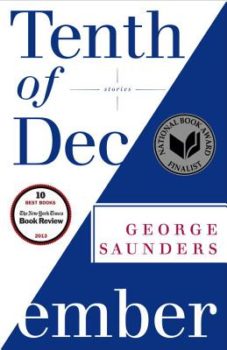
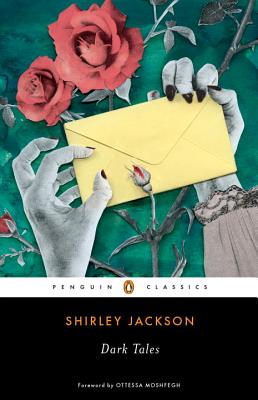
A heartfelt thank you to the fabulous FWR reviewers and essayists who have contributed (and/or are currently working on) pieces for the site. Happy T(of)urkey Day!
A heartfelt thank you to the fabulous FWR reviewers and essayists who have contributed (and/or are currently working on) pieces for the site. Happy T(of)urkey Day!
The Guardian offers some excerpts from this year’s worst sex scenes. Try reading them aloud at your Thanksgiving feast! From Simon Montefiore’s Sashenka: He’s a madman, she thought as he made love to her again. Oh my God, after twenty years of being the most rational Bolshevik woman in Moscow, this goblin has driven me crazy! He eased out of her again, showing himself. ‘Look!’ he whispered as she did. […] He made her forget she was a Communist.
Writing the His Dark Materials series was awesome in and of itself; now Pullman is fighting, along with a host of other writers, to save school libraries across the UK. He recently wrote to the Meadows Community School, which plans to replace their books–and librarian–with a “virtual learning environment,” whatever that means. From Pullman’s letter (via the Guardian): The idea that fiction is not worth looking after properly and does not need a qualified librarian runs contrary to every experience I have ever had. Are you going to relegate the whole activity of reading fiction to the status of a […]
Don’t miss clmp‘s last Periodically Speaking event at the New York Public Library; editors from lit magazines Salt Hill, H.O.W., and Raritan will each introduce new writers. Details: Tuesday, December 9th, 6 – 7:30 pm DeWitt Wallace Periodical Room, The New York Public Library, Humanities and Social Sciences Library at Fifth Avenue and 42nd (Fifth Ave. entrance; admittance is free)
Alan Cheuse, for NPR: Giving a book is not something we ought to do blindly. We give books to people we love because we think they will convey something about ourselves, something about the world as we see it or something about the world as we would like it to be. We only have one life to live, but we have so many lives in literature — giving a book remains an extraordinary gift. Well put. I also think that with the book-as-gift, we try to convey our understanding of the person we’re giving it to; the gift shows we […]

Writers: if you didn’t have time for NaNoWriMo but are looking for a motivating way to structure and inspire writing time this December, consider signing up for the Southeast Review‘s 30-Day Writing Regimen, which begins on December 1. For only $15, participants receive the following: a free copy of the most recent issue (vol 26.2), daily writing prompts and reading-writing exercises, a Riff Word of the Day, a Podcast of the Day, craft talks, and access to the journal’s online literary companion.
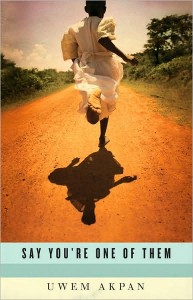
FWR contributor Jeremiah Chamberlin has an interview in Granta with my dear friend and former MI classmate Uwem Akpan. Uwem, who is also a Jesuit priest and a teacher, saw his first story collection, the remarkable Say You’re One of Them, published by Little, Brown in May. In this conversation with Jeremy, he discusses why fiction is his genre of choice, what challenges he faced (and faces) in creating stories true to the children and regions they depict, what fascinates and “puzzles” him as a writer, and how writing can be a calling: My goal is to get the reader […]
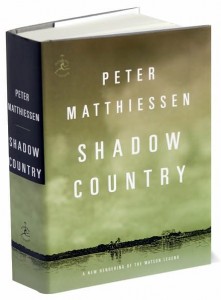
Congratulations to Peter Matthiessen, whose novel Shadow Country just captured the 2008 NBA in Fiction. In this interview (conducted after his book was named a finalist), Mattheissen describes his writing process and shares why he thinks fiction matters. Interviewer Bret Anthony Johnston asked the author what the “engine” behind his novel was: BAJ: For some writers, the engine that powers their fiction is character. For others, it’s language. For others still, the engine might loosely be called “theme.” Do you identify with any of those? What sparked the initial idea for you? PM: Very important as those are, the seed […]

Mr. Mailer entered shortly after the party began, walking with two arm canes, and his presence filled up every available space. When I wasn’t refilling bubbly, I watched, then I wrote. But even what I jotted down in my notebook remains fragmented to this day, a choppy result of overwhelmed giddiness in such company: A girl with bones sticking out of her back; nursing a new belly ring and a half bottle of wine. Chevy luminaries. Pencil guts…
A new report called The Fiction of Development: Literary Representation as a Source of Authoritative Knowledge praises literary fiction as an important resource for a global society. To quote the Guardian‘s Books Blog: A team from Manchester University and the London School of Economics claim that stories and their writers can do just as much as academics and policy researchers, perhaps even more, to explain and communicate the world’s problems. Fiction, they boldly venture, can be just as useful as fact. You can read the report in its entirety (including a recommended reading list) here.