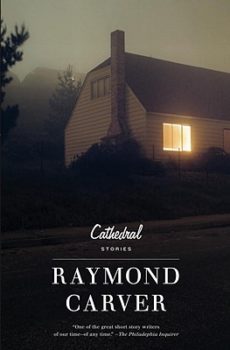
Tonic and Balm, by Stephanie Allen
by Christi Craig
“There is more to this show than we are wont to imagine.” Christi Craig reviews Stephanie Allen’s debut novel, Tonic and Balm.

“There is more to this show than we are wont to imagine.” Christi Craig reviews Stephanie Allen’s debut novel, Tonic and Balm.
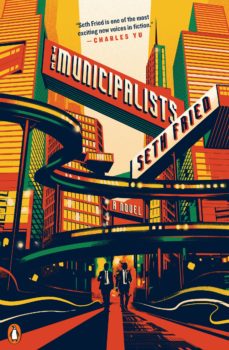
“The Municipalists was a way for me to dig deeper into the idea of cities in general, both to explore the ways in which they can be great and to come to a better understanding of how they need to change:” Seth Fried talks with Shawn Andrew Mitchell about his debut novel, ‘lightness’ as a revision strategy, idea generation tips, and more.
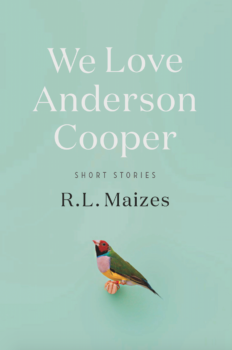
“The best writing is transformative…Writing succeeds, too, when it acts as a mirror, reflecting our humanity back to us”: R.L. Maizes talks with Donna Baier Stein about writing outsiders, literary influences, and the path to releasing her debut collection.
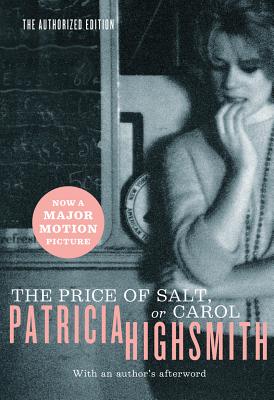
With some help from Patricia Highsmith’s 1952 novel The Price of Salt, Candace Walsh explores the power of the paragraph.
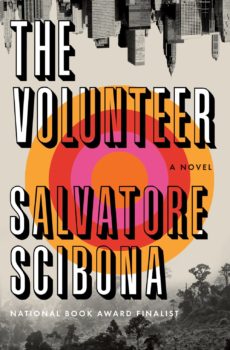
“We are always in a particular place at a particular time. As much as we might want to treat our first observations as essential, they remain unreal until they are embodied.” Michael Hinken talks with Salvatore Scibona about his new novel, The Volunteer.
“Any art that matters presents, somehow, an argument against. It’s a dream of alternatives and an assertion of spirit.” Naomi Ulsted talks with John Domini about activism, Naples, and not overthinking craft.
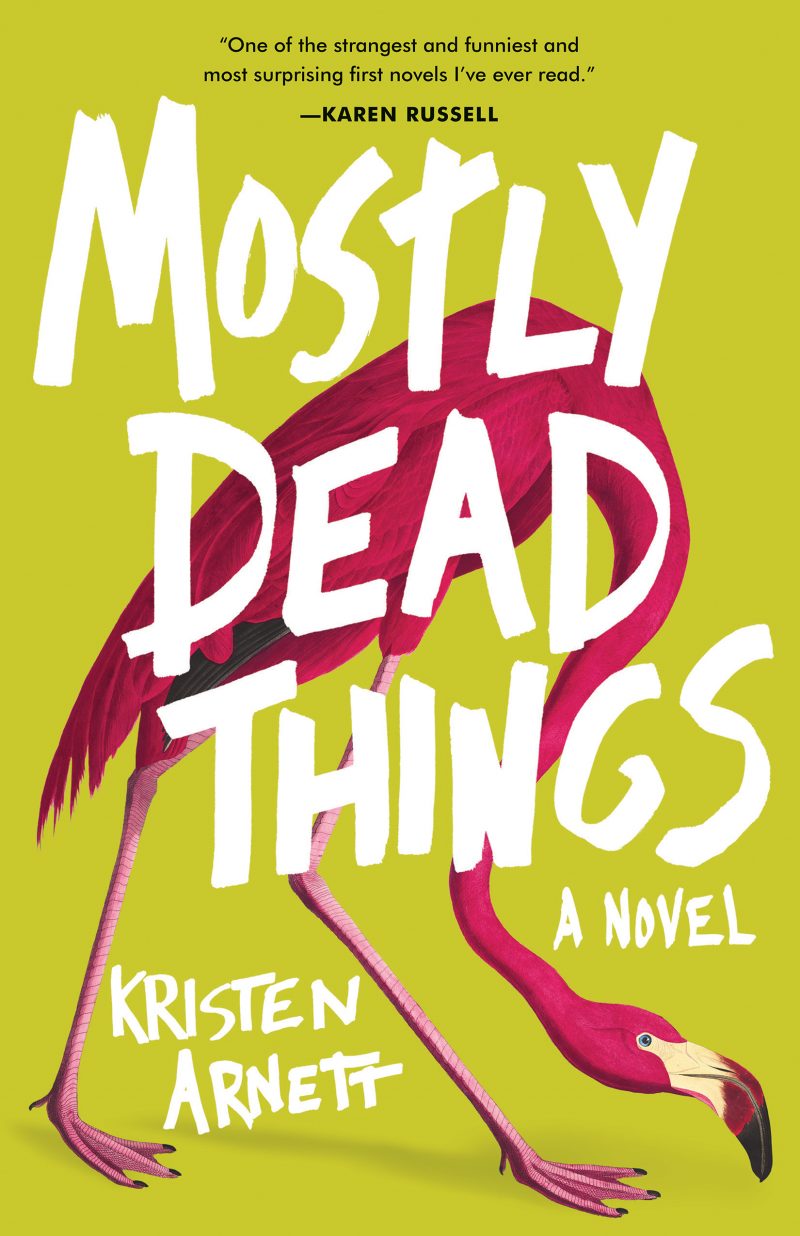
“I don’t ever really think a work is done, but I’m excited when a work is doing something, anything further.” Kristen Arnett chats with Barrett Bowlin about representing queerness, Florida writers, and drafting her debut novel, Mostly Dead Things, out this week from Tin House books.
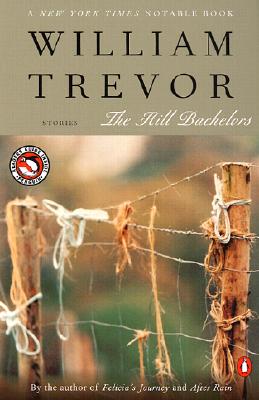
“Like the eye of a passing storm, these interludes bring a necessary interruption, a pause that allows us (not to mention the characters themselves) to have the time needed to process the stories’ crises before facing their conclusions.” In the second half of this craft essay, Alyson Mosquera Dutemple explores the “penultimate space”—between crisis and resolution—in William Trevor’s “Le Visiteur.”
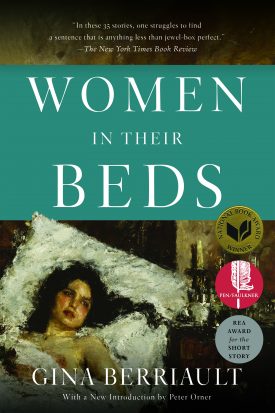
“Like the eye of a passing storm, these interludes bring a necessary interruption, a pause that allows us (not to mention the characters themselves) to have the time needed to process the stories’ crises before facing their conclusions.” In the first half of this craft essay, Alyson Mosquera Dutemple explores the “penultimate space”—between crisis and resolution—in Gina Berriault’s “The Stone Boy.”
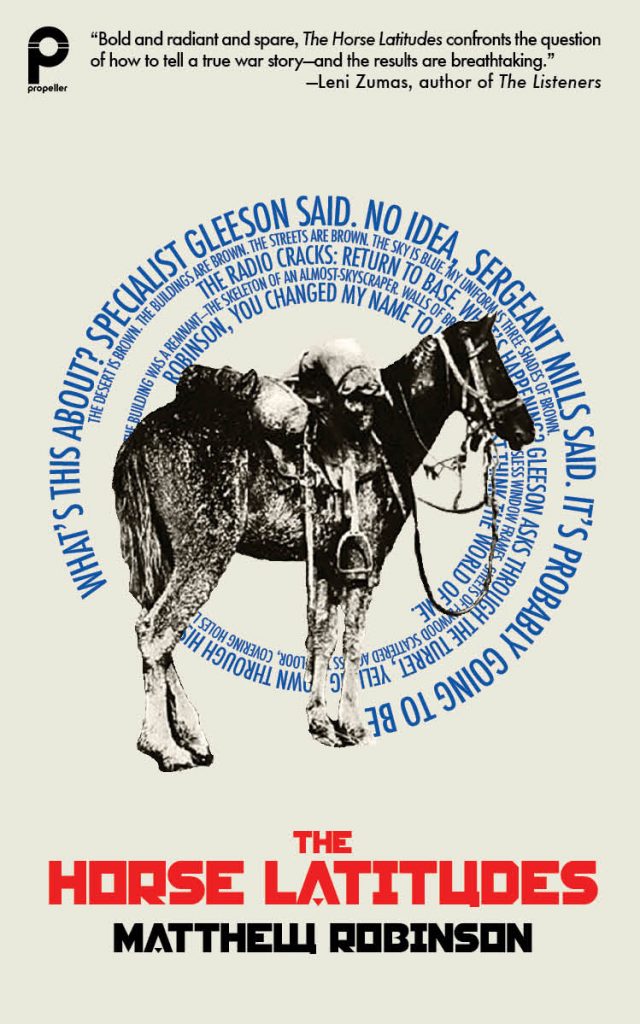
“We want to be understood, but we don’t want to, or feel unable to, share our own stories.” Matthew Robinson sits down with Thea Prieto to discuss Memorial Day, writing the war experience, and his novel-in-stories, The Horse Latitudes.