Stories We Love: “The Healing Center,” by Catherine Lacey
by Kent Kosack
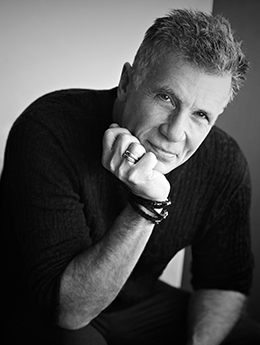
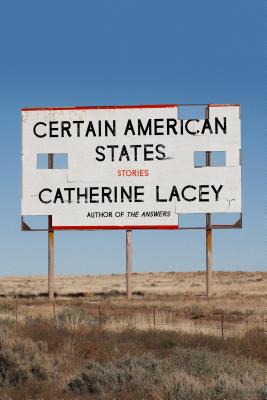
“What I love is the defamiliarization.” Kent Kosack appreciates the aesthetic openness of Catherine Lacey’s short story “The Healing Center.”
“What I love is the defamiliarization.” Kent Kosack appreciates the aesthetic openness of Catherine Lacey’s short story “The Healing Center.”
“No matter how well-documented the history of a family home may be, there are gaps… I revel in the license to move into those uncharted spaces; to take a leap of faith from the springboard of memory into the untethered dimension of the imagination.” Ellen Prentiss Campbell on dreams, intuition, and following “the vapor trail of memory” in fiction.
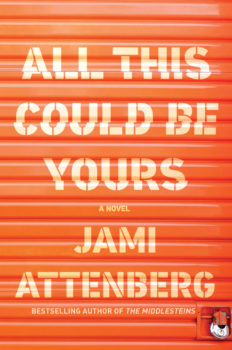
“Every character gets understanding. That’s what a writer does. But abusive humans only get two pages. That’s it.” Jami Attenberg talks with Melissa Scholes Young about her new novel, family secrets, the desire for happiness, and more.
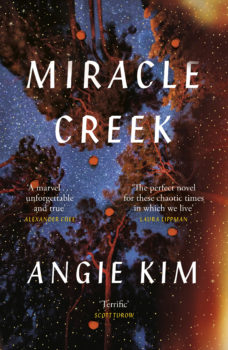
“I just kept on telling myself, ‘All you need to worry about right now is what’s happening in this scene.’ Then I’d go forward page by page, sentence by sentence.” Angie Kim talks with Polly Atwell about her debut novel, Miracle Creek, as part of our Women Crime Writers series.
“The truth is that a blank page makes beginners of us all.” Bryan Furuness asks five writers for advice on the perennial problem of getting started.
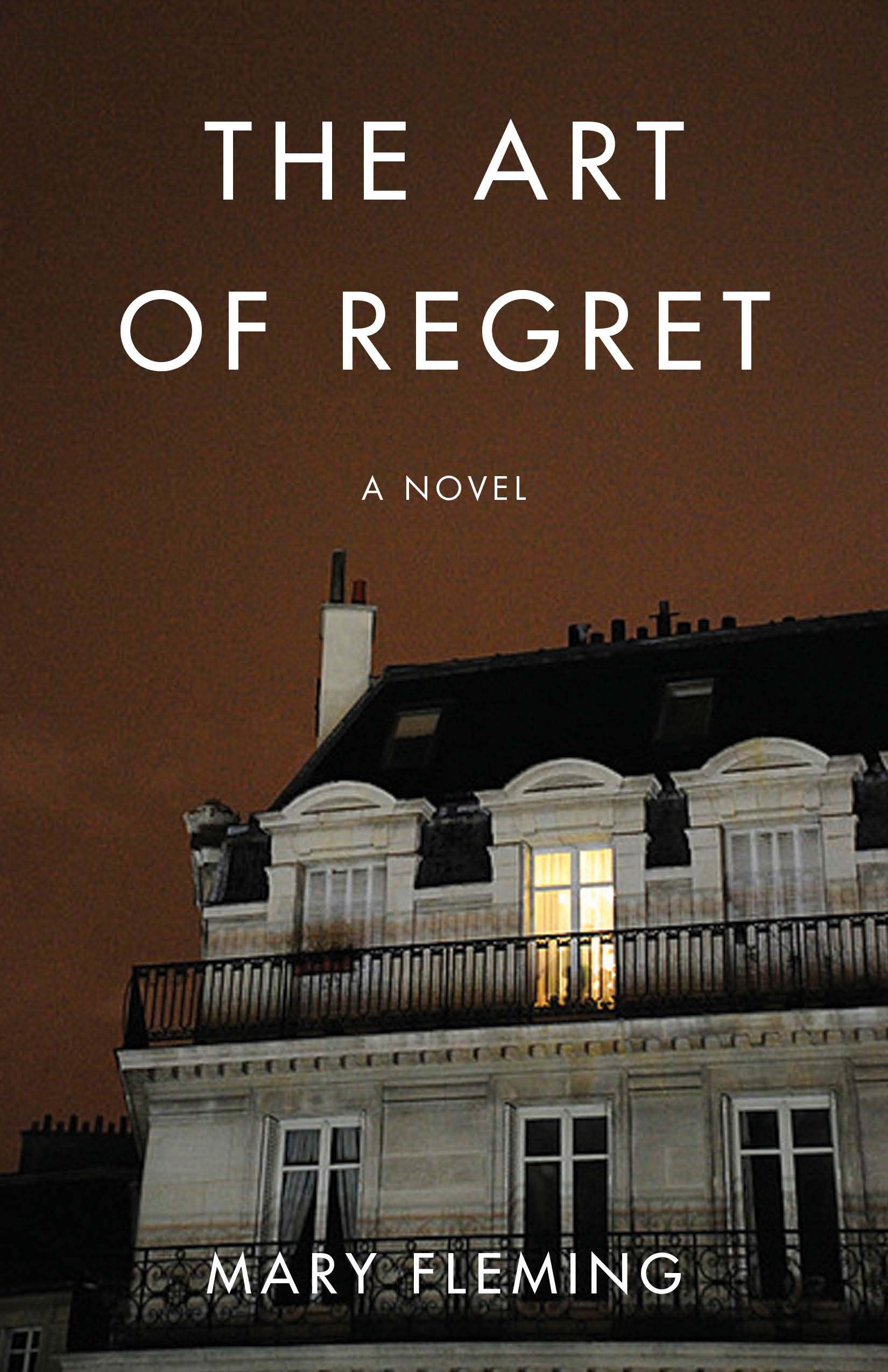
“I actually think of Paris more as a city that encourages redemption.” Mary Fleming chats with Jessica Levine about her new novel, The Art of Regret, out today from She Writes Press.
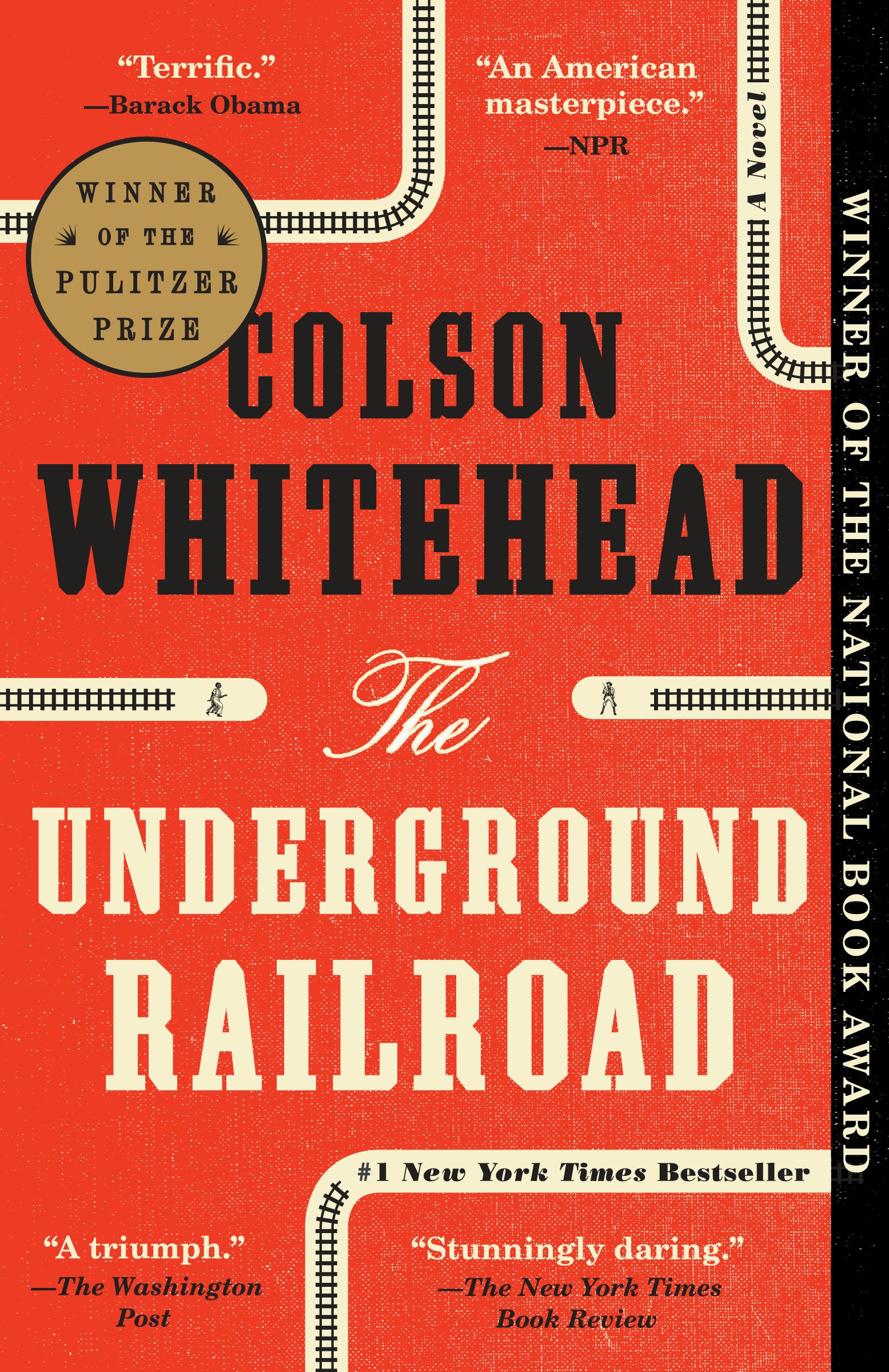
“As anyone who has tried it knows, simply withholding information is no guarantee that the reader will continue patiently, or eagerly”: Peter Turchi on the strategic release of information in fiction, with assists from Colson Whitehead and Toni Morrison.
“I love work that examines what it’s like to be a woman struggling to act as an autonomous person inside a place or a culture that’s very invested in telling you how to act, how to do your gender”: Ashley Wurzbacher talks with Lee Thomas about her debut collection, Happy Like This, the complexity of female friendships, resisting gender narratives, and more.
“Olive, Again is in some ways—but not all—a surprising sort of sequel, just as Olive Kitteridge is a continually surprising person: blunt and gruff, but increasingly capable of both insight and empathy.”
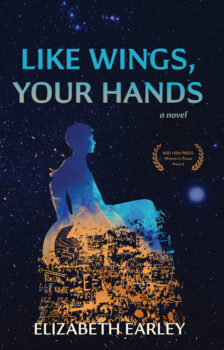
Elizabeth Earley talks with Rosalie Morales Kearns about her new novel, Like Wings, Your Hands, formative influences, her writing process, and the intriguing new project she’s working on now.