Stories We Love: Donald Barthelme’s “The School,” In Which is Revealed the Meaning of Life
by Michael Byers
On Barthelme, that comforting surrealist.

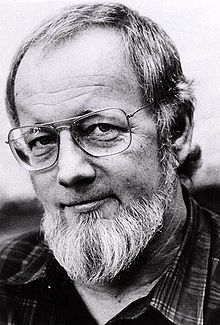
On Barthelme, that comforting surrealist.

The whole reason I started writing about this character Stet Looper came through an odd alignment of blunders.

Perhaps no story, though, plays back through my head more often than Richard Ford’s “Rock Springs.”
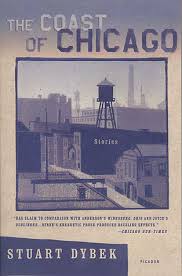
Stuart Dybek is often mentioned in the same breath as Saul Bellow, Nelson Algren, Sherwood Andersen—male writers of a certain era who wrote realistic, place-based fiction. And yet when I began reading Dybek, I couldn’t shake the feeing that something different was going on.
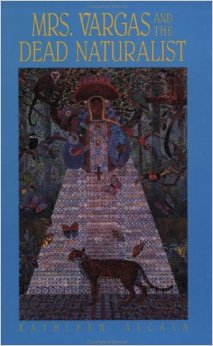
Every time I read this story I get a thrill, the sensation of having to hold on tight for a wild, plummeting ride, a dizzying shift in perspective, a cascade of questions that I can’t answer.

Confrontation becomes a powerful vessel in this narrator’s journey, and subsequently, the reader as passenger.

So many stories I come across may bang around in my head—at best—for a few minutes after I’ve finished them. But I can sit here and recall “A Small Good Thing” in such detail—emotional detail—without even a glance at the text. That’s a well-told story, I’d say.
I love Megan Mayhew Bergman’s story “The Right Company” from her collection Birds of a Lesser Paradise.
Once upon a time in 1978, a dear friend gave me Colwin’s second novel, the Manhattan fairy tale Happy All the Time, to ease my then-broken heart.
On Lydia Davis’s “Letter” stories from her new collection, Can’t and Won’t