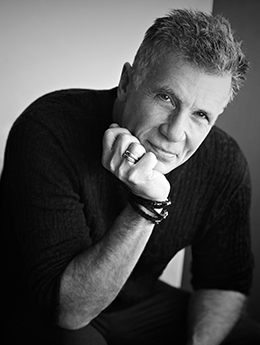
Language as a Playground: An Interview with Peter Markus
by Nina Buckless
“On a strip of paper on my kitchen wall are the words “Thinking is for morons.” I’m much more prone to that way of being in the world, both on and off the page.”

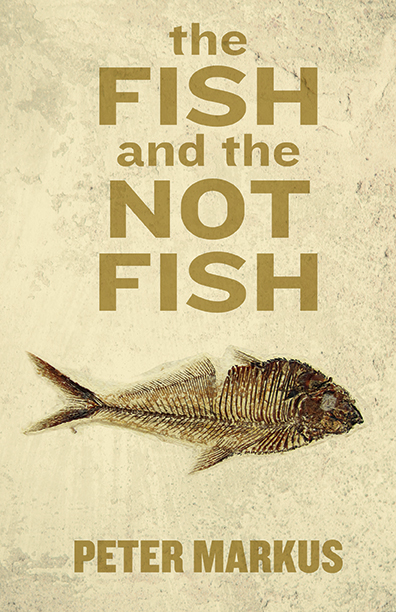
“On a strip of paper on my kitchen wall are the words “Thinking is for morons.” I’m much more prone to that way of being in the world, both on and off the page.”

Hey, Park Rangers. Echoing the bold everlasting words of narration in Charles Baxter’s The Feast of Love, “What a Midwesterner he was, a thoroughly unhip guy with his heart in the usual place, on his sleeve, in plain sight,” I wanted to share some stories I loved from last year. There’s quite a bit of corny, unapologetic and Hallmark-y content in mid-February, and it can make any toiled romance feel heightened for unnecessary reasons. I know you’re smart enough to not place all your chips in the same stack. Of course I’m getting at sleeping around. It can’t be just […]
There are images from Kyle Minor’s stories that will stick with me to the grave: a man laying hands on a dying man’s tumor, a preacher baking biscuits at a boy’s funeral. These images sear because they get at the gruesome failures of life. The preacher bakes biscuits in a gimmicky bid for consolation. There seems no true feeling in his action, and so it falls far short of the gravity of the moment. The man with the tumor thinks the narrator of “Seven Stories about Sebastian of Koulev-Ville” is the healer come to pray over him. The narrator has […]
Sharon Harrigan on Kyle Minor’s second collection, Praying Drunk, “a tipsy, dizzy spiritual pleading.”
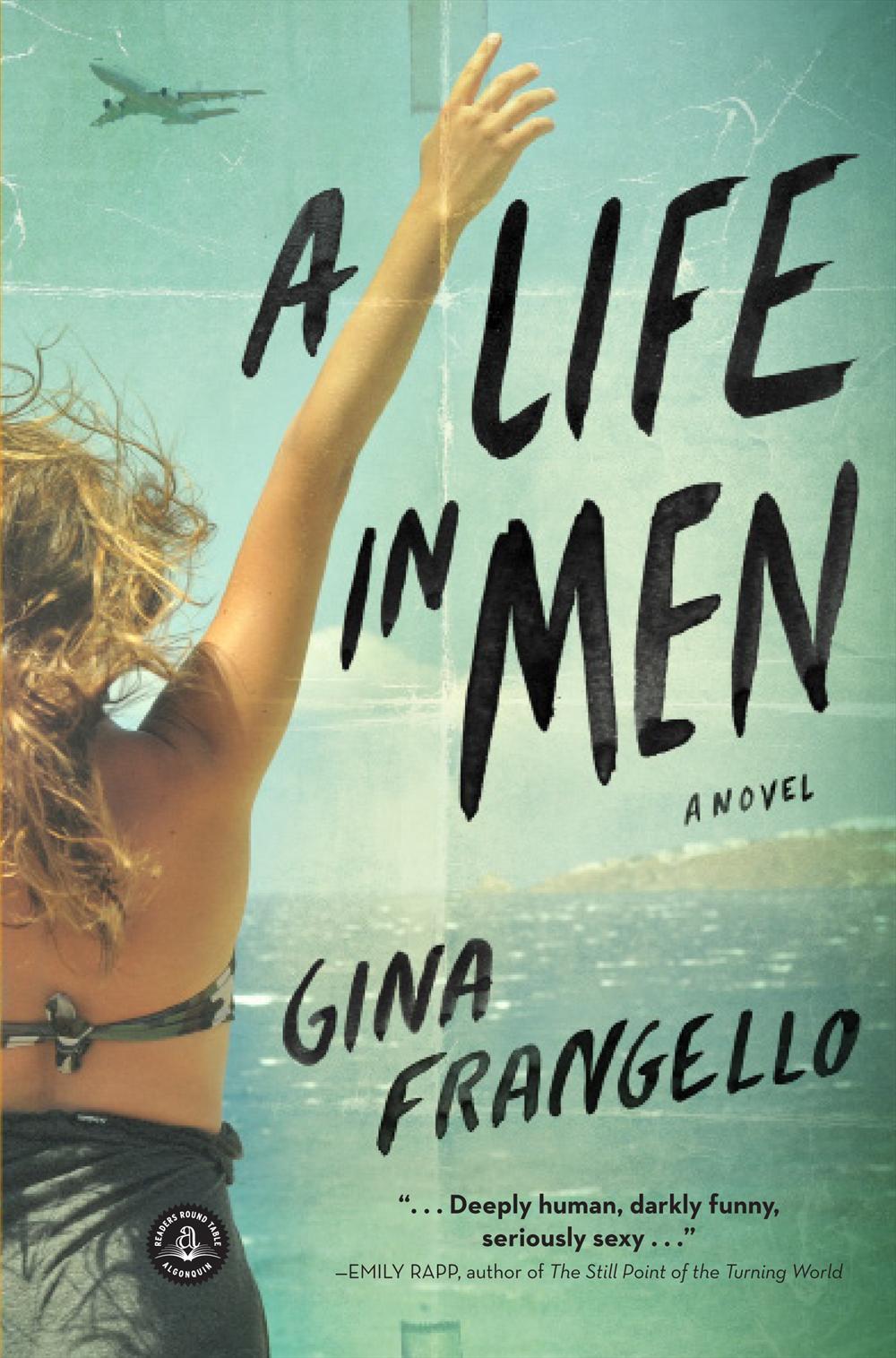
In its most poignant passages, A Life in Men unpacks the tired clichés about living life to the fullest.
“The stories I love most are the ones that feel novelistic in scope, where you can feel the writer pouring absolutely everything [they have] into the story, until there’s nothing left in them and they have to try to imagine an entirely new world.”
With some help from his friends, Kevin Haworth explores the complicated and necessary role of desire in fiction.
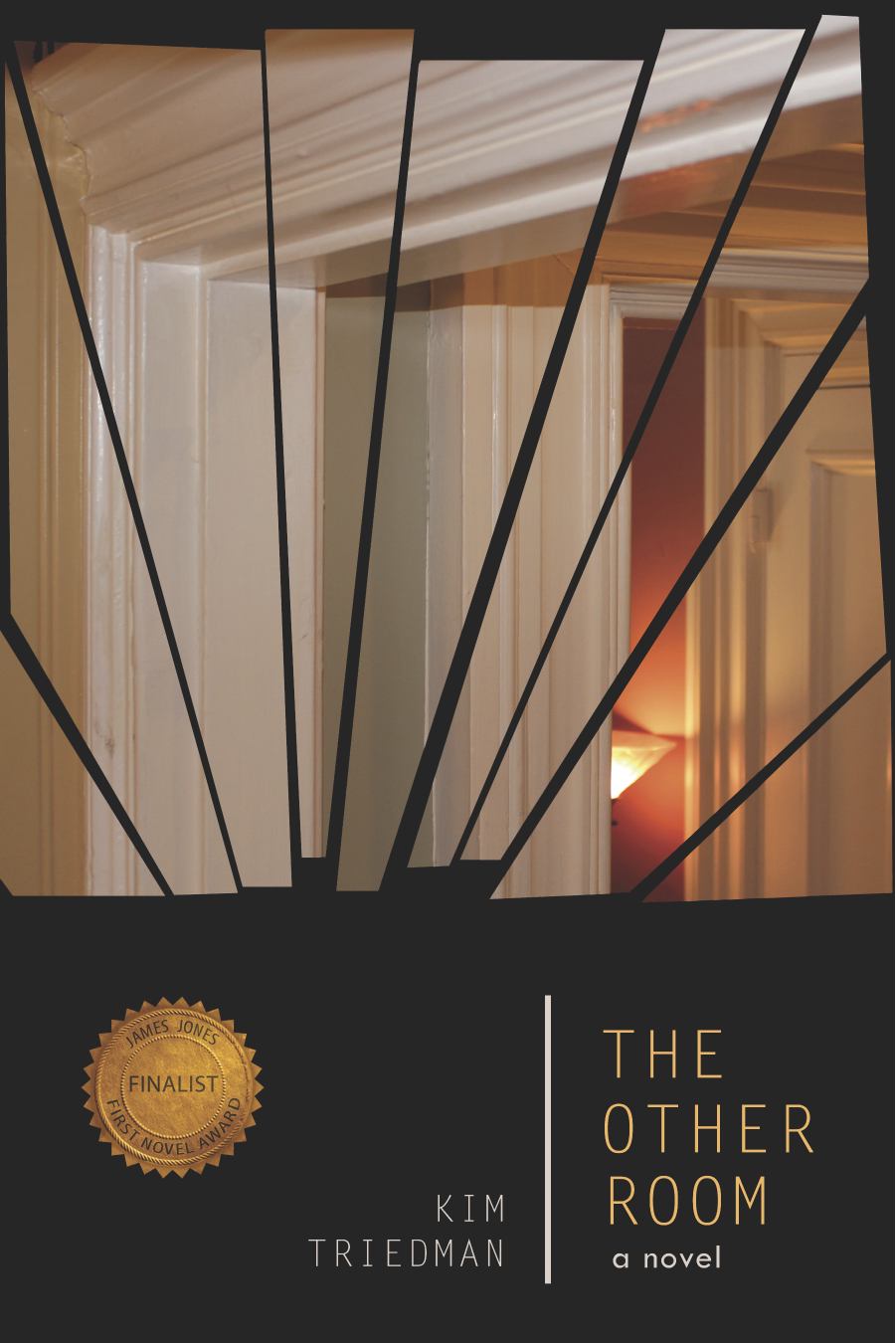
“Even when I walked away from the novel for years at a time, I knew I had something, and I knew I’d want to return to it. I needed it to be right, and I needed closure.”
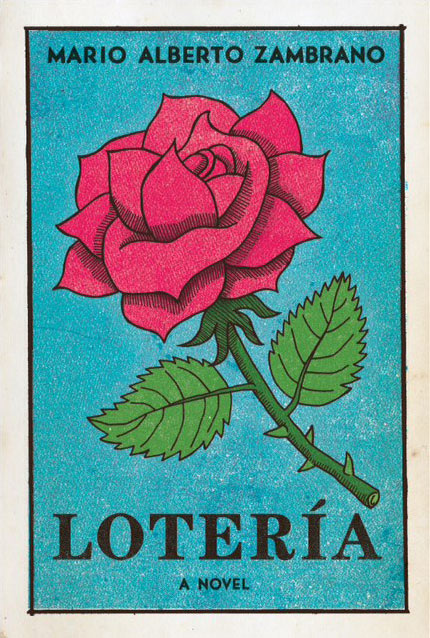
Lotería does not need to to build over hundreds of pages to “earn” a height of feeling.

I don’t read post-apocalyptic fiction, but I will read about anything by Lane Kareska. Lane and I were MFA students together at Southern Illinois University in Carbondale. Over our three years in the program, Lane and I met almost weekly outside of class to workshop our own work. We supported each other as our literary voices emerged. But when he told me that he was publishing North Dark (Sirens Call Publications, 2013), a novella, set in sparse futuristic failed state, I all but rolled my eyes. It’s not that I don’t see value in science fiction or the end of […]