Suspend Your Disbelief

Shop Talk

The Upside (?) of Melancholy

We’ve discussed the links between depression and creativity on this blog before—from a report that some schools on Nantucket were banning “depressing” literature in response to high rates of teen suicides to Anne’s reflections on “When Writers Stop Drinking (or Start Taking Meds, or Start Reading Peter Kramer).” Jonah Lehrer’s recent essay in The New York Times Magazine investigates this question from a different angle: whether depression has an evolutionary purpose. For some unknown reason, the modern human mind is tilted toward sadness and, as we’ve now come to think, needs drugs to rescue itself. The alternative, of course, is […]

50 Book People to Follow on Twitter

The Huffington Post recently published a list of “The 50 Best Book People to Follow on Twitter.” Those on the list include everyone from veteran authors Margaret Atwood and Anne Rice to up-and-comers like Colson Whitehead. There are plenty of agents, editors, and book bloggers, too, as well as book sites like GalleyCat and Guardian Books. These bookish Twitterers offer thoughts on current events and life in general and favorite writing-related links you might never find otherwise. A representative smattering: from Mokoto Rich, New York Times book editor: Looking at questions asked and not asked about latest incident of flawed […]


FWR's Latest Features: The Biweekly Roundup

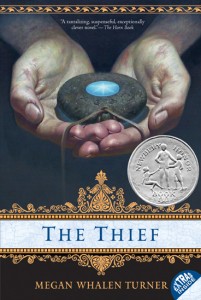
Here’s a recap of the reviews, interviews, and essays you may have missed on Fiction Writers Review lately. Charlotte Boulay reviews The Queen’s Thief series by Megan Whalen Turner, calling it “serial narrative of the best kind—the kind that gets richer and more complex as it develops” and adding, “Even among YA fantasy novels, The Thief is exceptional because it’s a story about adults. These are not the sudden inheritors of magical powers, but people who have carried the weight of responsibility for their entire lives.” Brian Short reviews Swimming with Strangers, the second collection by Kirsten Sundberg Lunstrum. “Lunstrum […]


P&W's Inside Indie Bookstores: Women & Children First

In the newest installment of Poets & Writers magazine’s Inside Indie Bookstores series, FWR Associate Editor Jeremiah Chamberlin profiles Chicago’s fabulous Women & Children First bookstore, featuring an interview with the bookstore’s co-owner Linda Bubon. The online version (along with a slideshow of images from the store) is available at no cost on P&W‘s website…but if you want a print copy, Poets & Writers‘ special offer to Fiction Writers Review readers (only $12 for a year-long subscription) is still up for grabs; if you order through this page before May 15, you’ll get the current issue featuring Women & Children […]


Should You Get an MFA in Creative Writing?

Are you currently weighing the benefits of an MFA? If you heard Michael Chabon’s take on MFA programs in his amazing AWP keynote, you’re probably hitchhiking to UC Irvine, a typewriter strapped to your heart — but even so, you might be wrestling with important questions like these: Will an advanced degree help you with your particular goals as a writer — and if so, when is the right time to go? How important is full or partial funding? What about opportunities to teach or work on a journal? What are program directors and committees looking for in MFA students, […]


Book Design Nerdery, Part I: Designing a Cover

Have you ever wondered how book covers get designed? This video shows how Orbit Books’ Creative Designer Lauren Panepinto designed the cover for an upcoming novel. The whole process took over 6 hours, but the video condenses that into just under two minutes: On Orbit’s webpage, Panepito explains: Trust me, no one wants to watch it in real-time…and even then I left out the not-as-riveting-onscreen stages of my cover design process, such as reading the manuscript, sifting through Alexia photoshoot outtakes, background photo research, etc. And since this is a series look that has already been established for Soulless and […]


I have an MFA in Fiction and a Master's in Vampire Studies

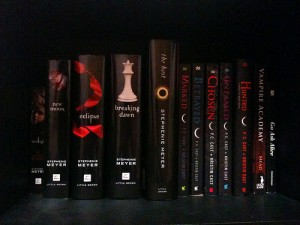
How do you know when vampire lit has reached critical mass? When it gets an academic conference. Vampire literature is now receiving some scholarly attention with a conference at the University of Hertfordshire in the UK. Despite the smirk factor, the conference—”Open Graves, Open Minds: Vampires and the Undead in Modern Culture”— has some serious intellectual heft: The aim of the conference is to relate the undead in literature, art, and other media to questions concerning gender, technology, consumption, and social change. […] The irony of creatures with no reflection becoming such a pervasive reflection of modern culture pleases in […]


YA Authors Fight Bullying

Here in Massachusetts, the story of Phoebe Prince has been big news for a while. Prince was a fifteen-year-old high school freshman in South Hadley, MA, who committed suicide after being repeatedly bullied at school. Now, as some of the teens who allegedly bullied Prince are charged in connection with her death, the story has gotten news coverage across the country. And it’s also sparking action from an unlikely group: YA authors. GalleyCat reports: To help combat the problem of bullying, YA authors Carrie Jones and Megan Kelley Hall have founded a new group–Young Adult Authors Against Bullying. Since the […]


SHAY-bahn, not cha-BONE

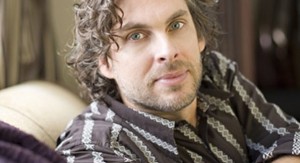
When you have a last name like Stameshkin, it’s rare–and lovely–to hear someone say it correctly. And I imagine that if even if you’re a world-famous author like Michael Chabon (see the subject line), Jonathan Lethem (that’s LEETH-um) or Chimamada Ngozi Adichie (en-GO-zeh ad-DEE-chay), it’s frustrating to hear thousands of fans and critics say they love…someone else. To avoid crimes of mispronunciation, study this guide to pronouncing authors’ names (via Buzzfeed via Dieselbookstore via The Panorama Book Review): it’s a great resource if you’re introducing, teaching, or even just talking about one of these writers. (Thanks to Tori and Todd […]


Payment vs. Good Karma

At the Coachella Review, Steve Almond makes a case—through his email exchange with an agent—against contributing to an anthology for free: Mark – I may be willing to do this, but I’d really like to know: who IS getting paid, if not the contributors? I contribute to a lot of anthologies, and almost without exception, they offer to pay contributors based on the advance, or a small percentage of the royalties. The idea is a great one, and the contributors are top-notch, so this book could make real money. Why wouldn’t the people who provided the material for the book […]