Dreamy Science: An Interview with Julia Elliott
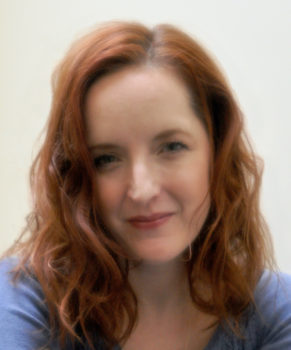
R. Mac Jones chats with Julia Elliott about her new novel, The New and Improved Romie Futch, heshers, and baboons.
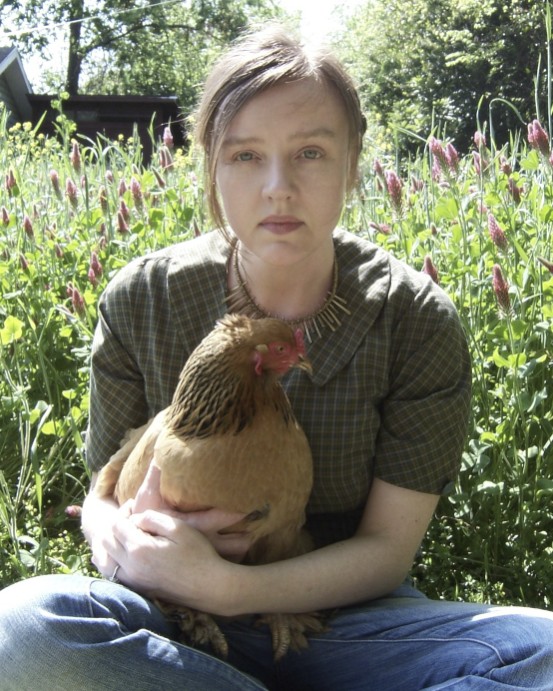
R. Mac Jones chats with Julia Elliott about her new novel, The New and Improved Romie Futch, heshers, and baboons.
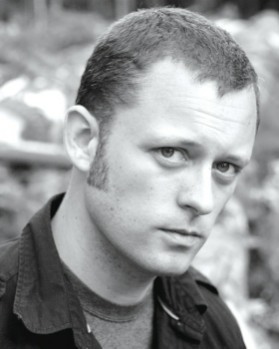
“But—let’s face it—literary fiction has become a genre of its own”: Benjamin Percy chats with Brandon Dudley about his latest novel, genre fiction, fatherhood, and more.
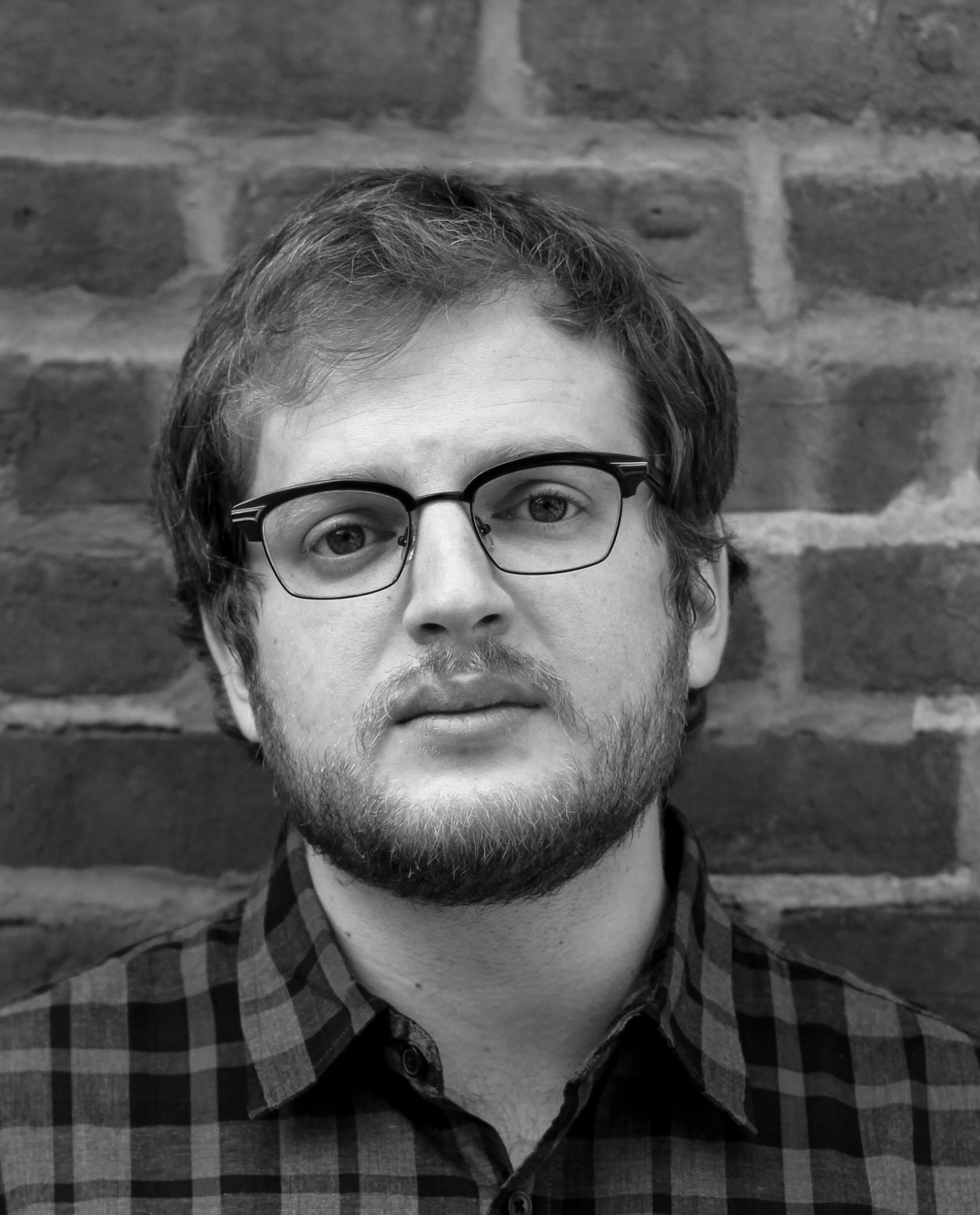
Chance Solem-Pfeifer talks to Justin Taylor about living in the Pacific Northwest, writing in the second-person, seeing Phish live, and playing pinball.
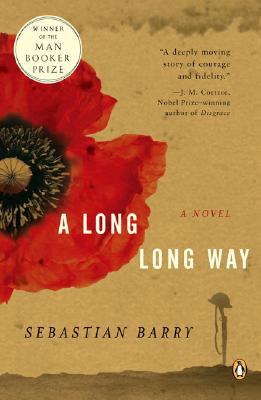
“Willie—like all of the characters in A Long Long Way, in fact—is a character constructed primarily through simile”: Patty Keefe Durso on figurative language and characterization in Sebastian Barry’s novel.
On the personal origins of her novel, Thicker Than Blood: “[It] started with the idea of that letter and why someone would keep a letter that no one would be allowed to read.”
James Magruder sits down with Kathy Flann to talk about her new collection, Get a Grip, her path to fiction, the role humor plays in her work, writing in the second-person point of view, and more.
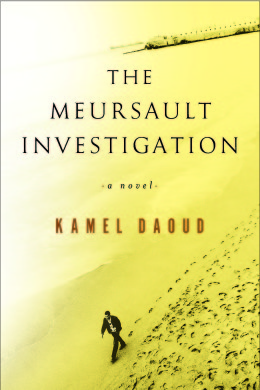
Jennifer Solheim on Kamel Daoud’s The Meursault Investigation: “Through Harun, Daoud explores both the ethics of Camus creating a nameless Arab character to kill on the beach as part of a philosophical exploration, and the horror of a pied noir being canonized for killing an Arab.”
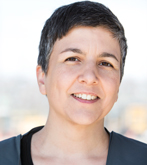
“It’s short, but once I hit on it, this little observation seemed to encapsulate everything I’d written before or since: ‘In my writing, I wrestle with questions of gender, power, identity, complicity, and harm. Even so, I still find the world beautiful.'”
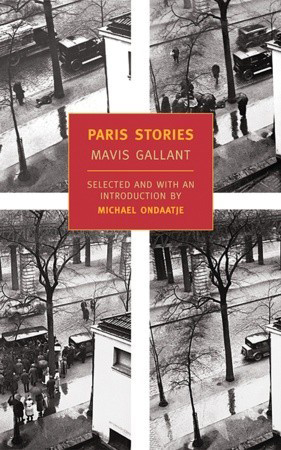
Lenore Myka on Mavis Gallant’s story “Mlle. Dias de Corta,” which she calls “a high watermark for what it means to write a truly compelling, frequently unlikeable, and ultimately empathetic character.”
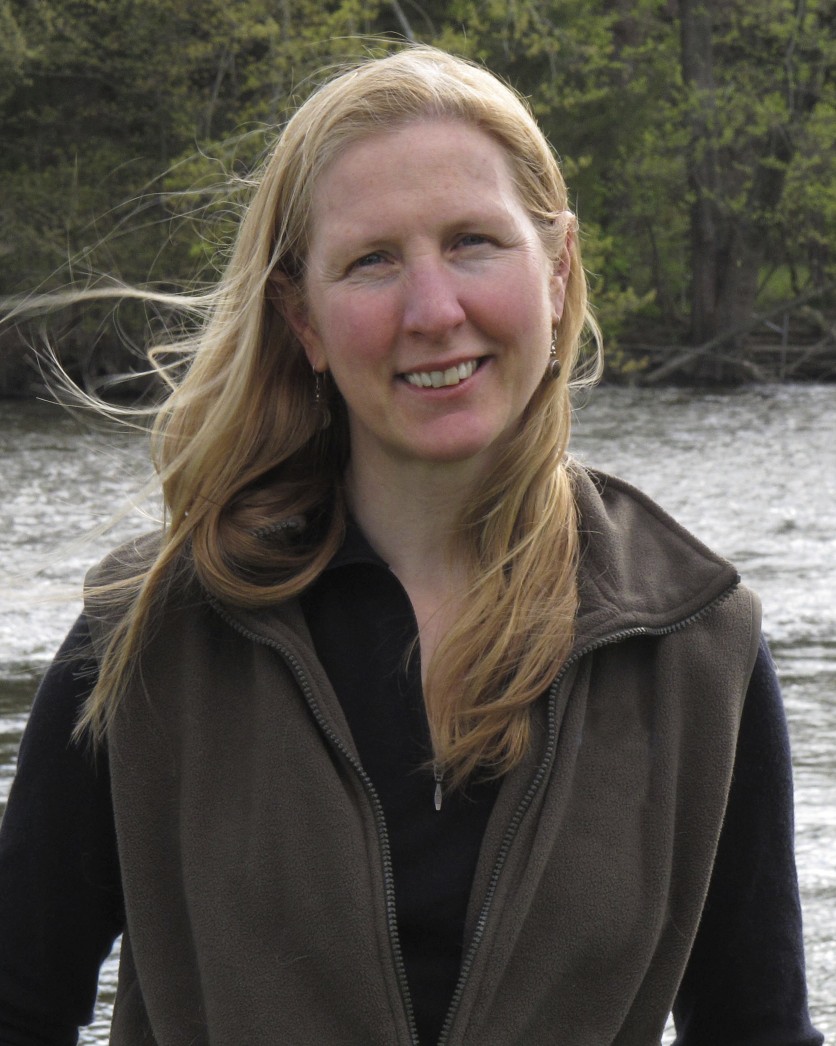
Continuing our interview series with writers of rural fiction, Mary Stewart Atwell talks with Bonnie Jo Campbell about her newest collection, Mothers, Tell Your Daughters, as well as nostalgia versus reality, novels as failed stories, and more.