An Interview with Julia Watts
Julia Watts and Eleanor J. Bader sit down to talk about Watts’s new novel, Needlework, Appalachian culture, queer visibility, and the changing South.
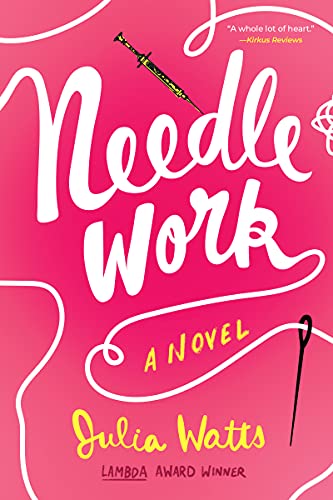
Julia Watts and Eleanor J. Bader sit down to talk about Watts’s new novel, Needlework, Appalachian culture, queer visibility, and the changing South.
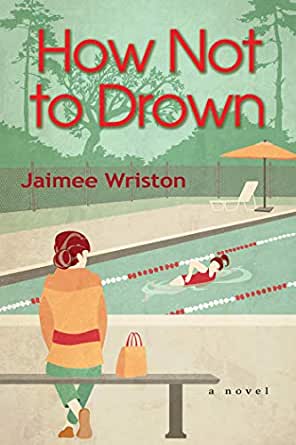
“Write about it? I couldn’t bear thinking about it.” Jaimee Wriston Colbert on the role a traumatic experience played in the development of her novel How Not to Drown.
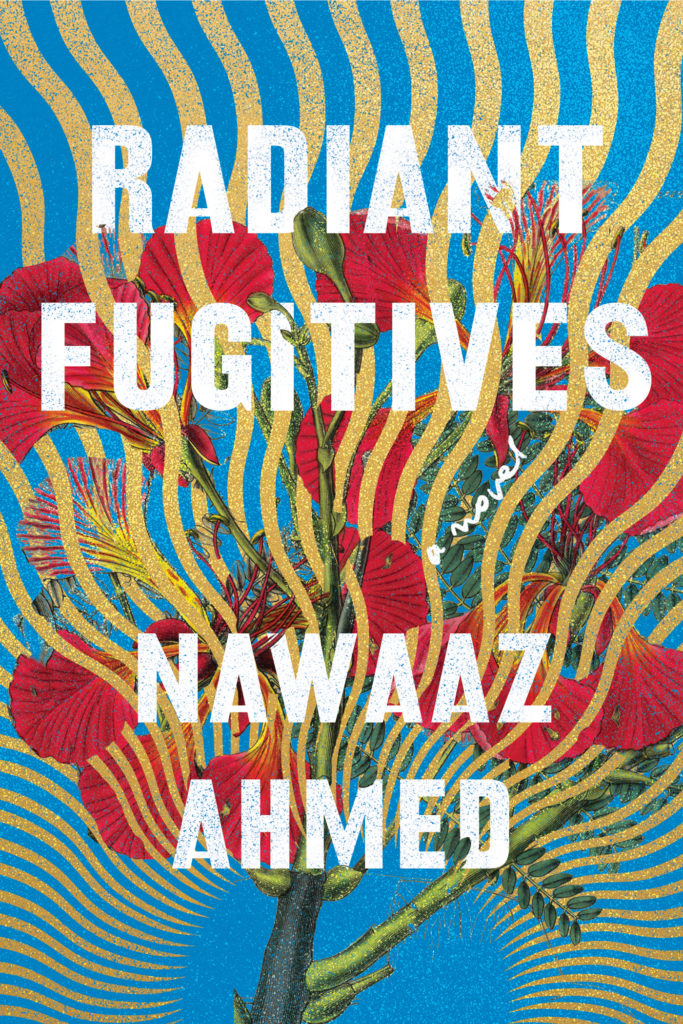
Nawaaz Ahmed and Nishanth Injam sit down to discuss Ahmed’s debut novel, Radiant Figutives, out now from Counterpoint Press.
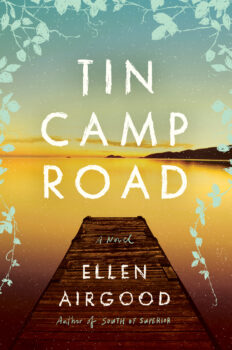
“I wanted to convey that the lives of the working poor are nuanced, lively, and immediate, and that characters flying and working under the radar are full of wonder, grit, and creativity.” Ellen Airgood talks with Philip Caputo about her new novel, Tin Camp Road.
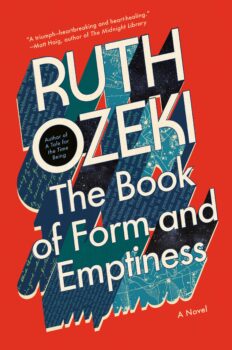
“While A Tale For The Time Being and Ozeki’s latest novel both explore the relationship between writer and reader, The Book of Form and Emptiness does so much more directly, which is in part due to its structure and premise.” Rachel León reviews Ruth Ozeki’s new book.

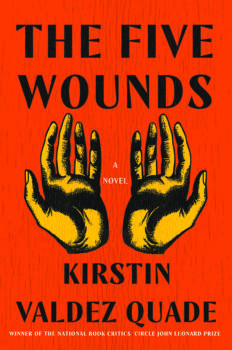
Kirstin Valdez Quade talks with Emily Nagin about turning her story “The Five Wounds” into a novel, the process of following new threads in a narrative, and learning from your characters along the way.
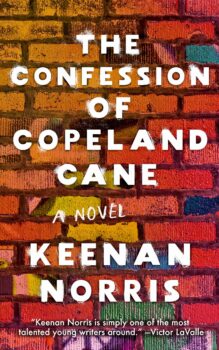
“While dystopian novels often serve as cautionary tales, The Confession of Copeland Cane is less harrowing because of the future it portrays than the mirror it holds up to our present-day situation…” Rachel León reviews Keenan Norris’ latest novel.
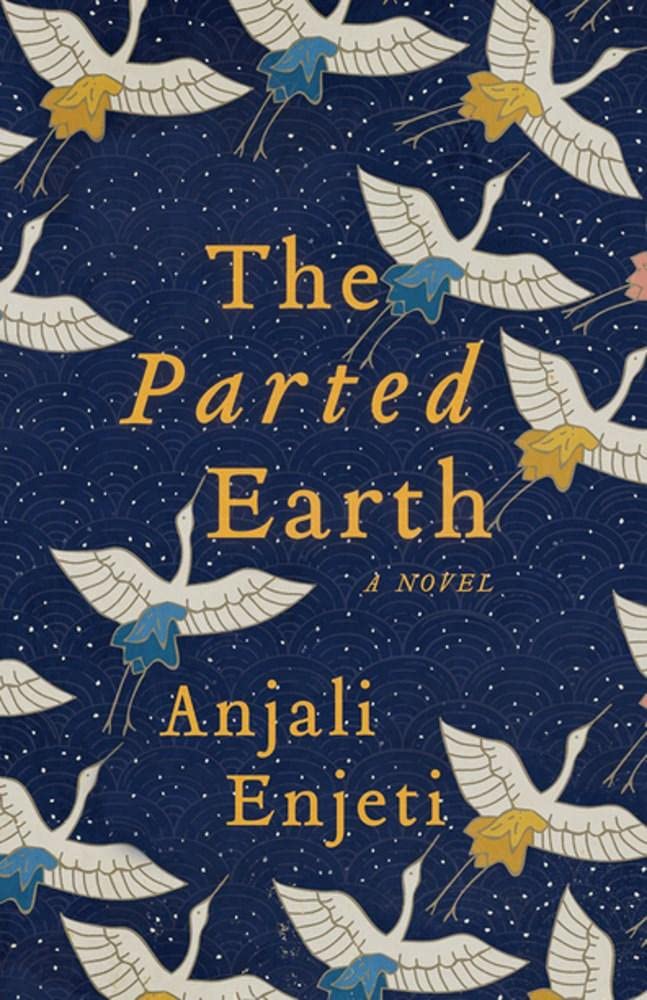
Hasanthika Sirisena and Anjali Enjeti discuss how Enjeti researched, crafted, and published her debut novel, The Parted Earth, out now from Hub City Press.
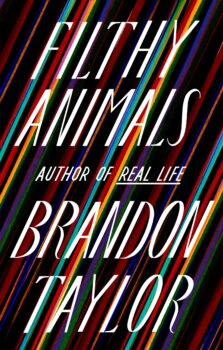
“Every time I write a story, I’m writing it as part of a manuscript or a cycle.” Brandon Taylor talks with Melissa Scholes Young about his short story collection, Filthy Animals, as well as story cycles, social codes, and the Midwestern way of being.