Story Containers
by Melissa Scholes Young
“The tension between whether a story wants to be long or short requires us to examine them together.” Melissa Scholes Young thinks about form and story containers by engaging with the work of R.L. Maizes.


“The tension between whether a story wants to be long or short requires us to examine them together.” Melissa Scholes Young thinks about form and story containers by engaging with the work of R.L. Maizes.
“Fiction writers—like gardeners skilled with pruning shears working on a young plant—can bring a tremendous sense of shape to their work by cutting off opportunities for potential even while the work itself is in its infancy.” Steven Wingate draws from Robert Olen Butler’s short-short fiction to advocate for constraint.
“Homes delivers exactly on her narrator’s opening promise”: Barrett Bowlin on A.M. Homes’s cult classic short story “A Real Doll.”
“The truth of the story somehow comforts”: Kent Kosack on Lauren Groff’s “Ghosts and Empties.”
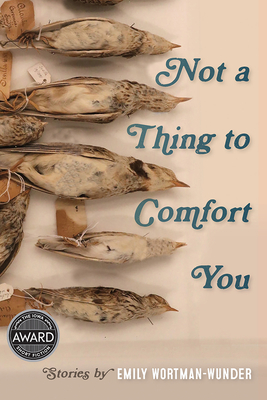
“Wortman-Wunder’s stories never completely implicate or exculpate the protagonists”: Hasanthika Sirisena on Emily Wortman-Wunder’s debut collection, Not a Thing to Comfort You, winner of the Iowa Short Story Prize.
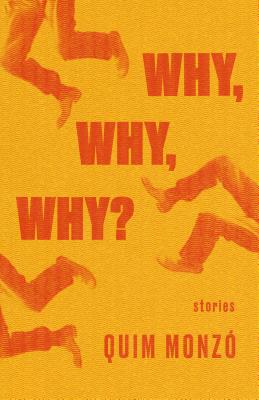
“Over its thirty tales, Why, Why, Why? further solidifies Monzó’s reputation as a master.” Benjamin Woodard reviews Quim Monzó’s latest collection in translation from Open Letter Books.
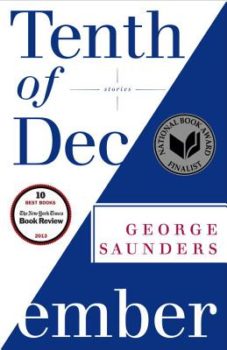
Josie Tolin on how George Saunders uses a sense of familial inevitability “to both subvert and amplify what might otherwise be a run-of-the-mill, bad-dad situation” in his story “Sticks.”
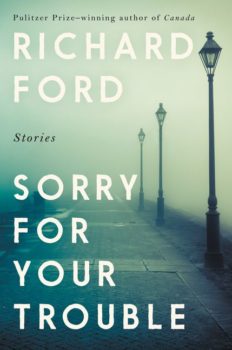
“Ford has long been something of a roamer, both in life and in his fiction, and that roaming and the restlessness which drives it are front and center in Sorry for Your Trouble.” Travis Holland reviews Richard Ford’s new collection.
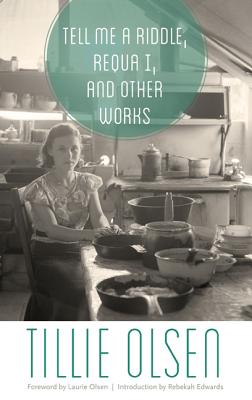
“It isn’t solace Emily and Eva are seeking, but a way to transform their pain.” Amber Wheeler Bacon on Tillie Olsen’s “I Stand Here Ironing” and “Tell Me a Riddle.”
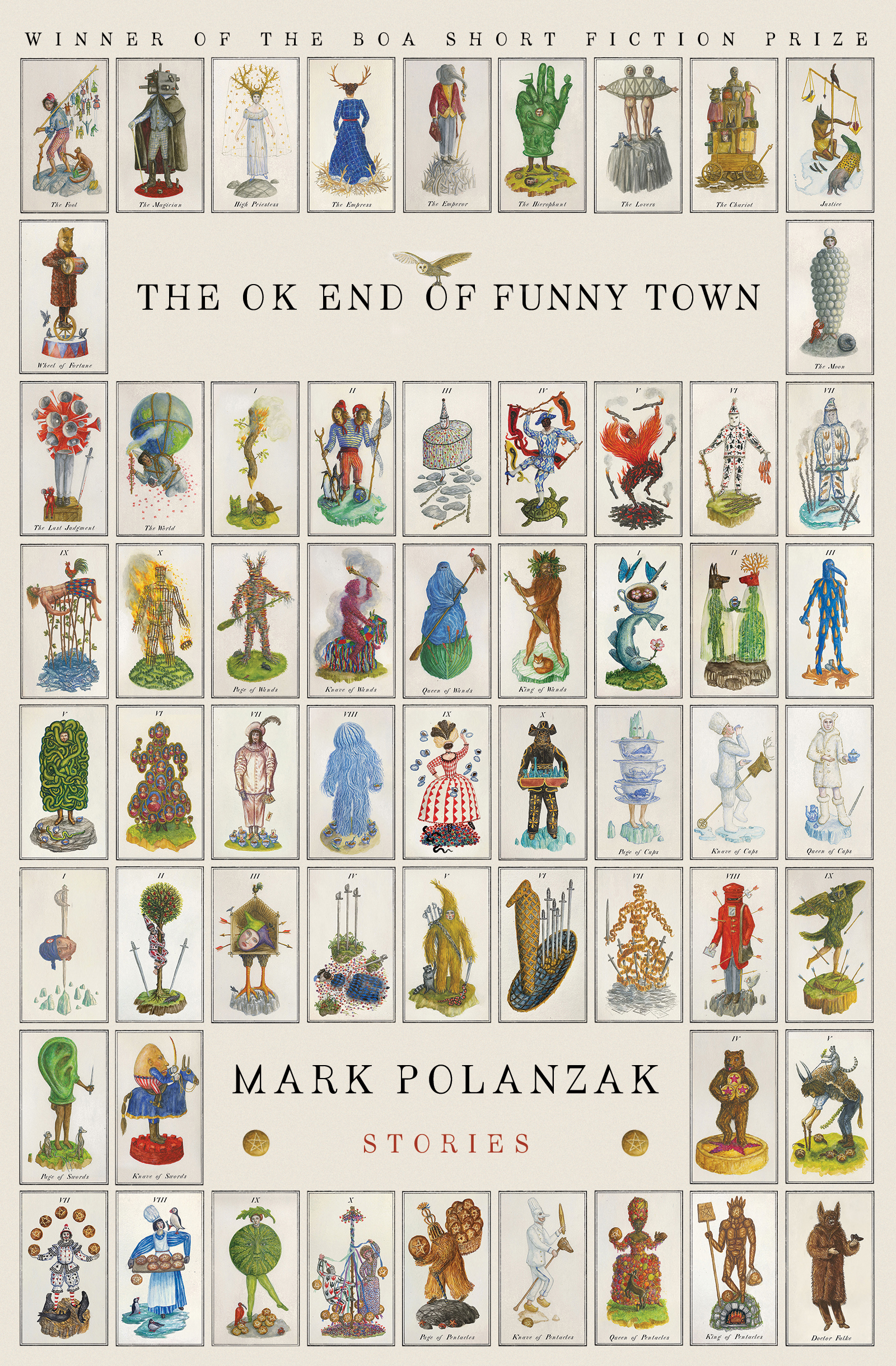
“I still want to pull off a trick, but I always want to make that trick get at something real.” David James Poissant chats with Mark Polanzak about his new collection, The OK End of Funny Town, out now from BOA Editions.