The Dark and Other Love Stories, by Deborah Willis
by Emily Nagin
“It’s rare to read a book that’s right nearly all the way through”: Emily Nagin on Deborah Willis’s new collection, The Dark and Other Love Stories.
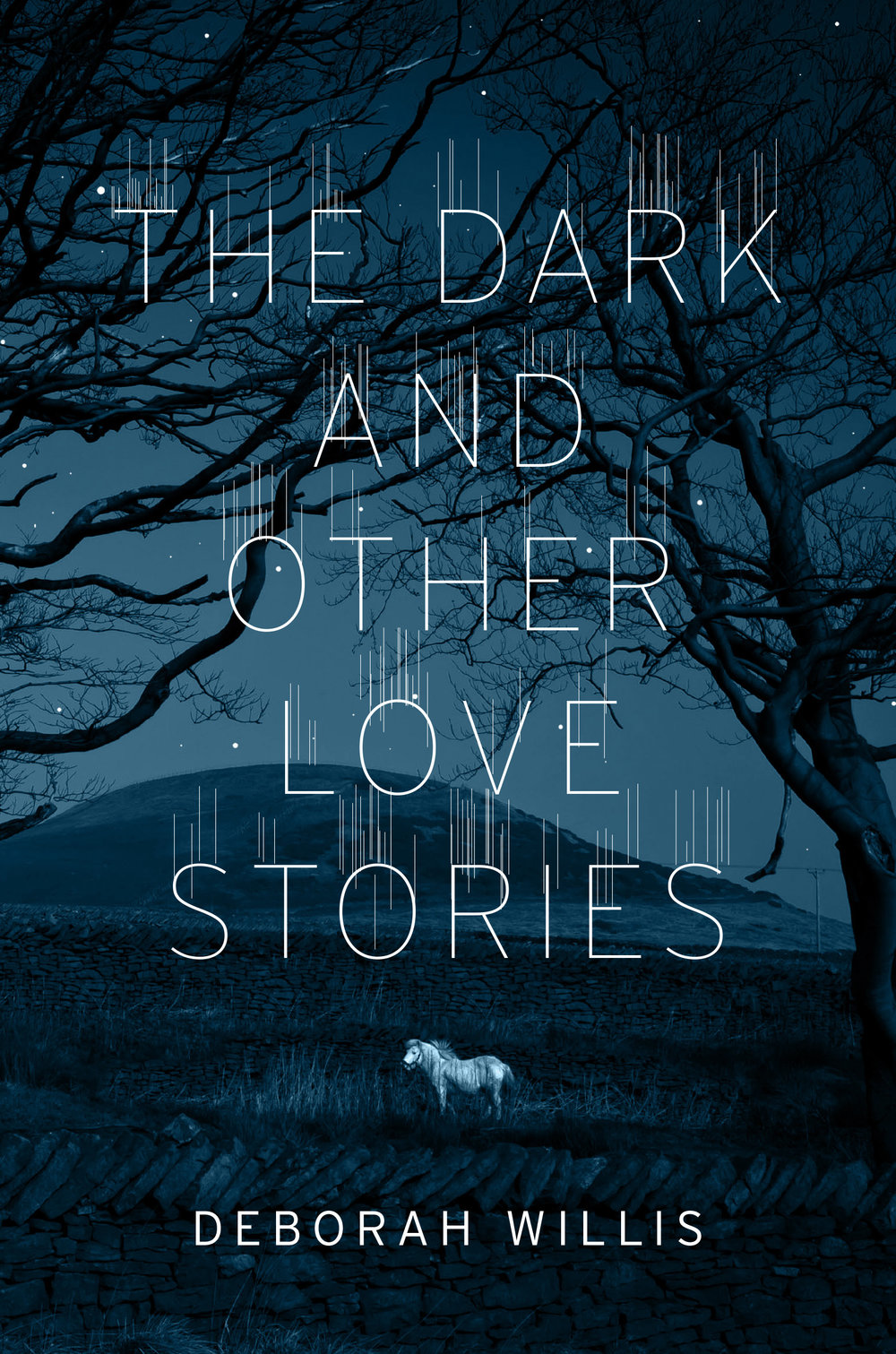
“It’s rare to read a book that’s right nearly all the way through”: Emily Nagin on Deborah Willis’s new collection, The Dark and Other Love Stories.

From the Archives: The title of Jim Shepard’s 2011 collection, You Think That’s Bad, could also be a creative mantra. Here the veteran writer discusses his research process, the apocalyptic state of the world, the (possible) irrelevancy of literature to the apocalypse, his epic mustache—and other matters of importance.
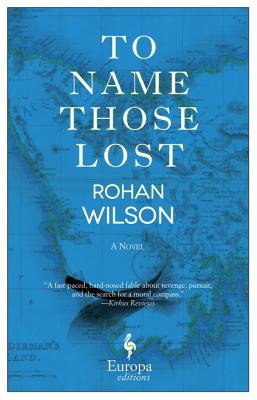
“The jarring effect of Wilson’s tale is that nothing is as it appears”: Mari Carlson on Rohan Wilson’s To Name Those Lost.

Depicting inarticulate speech patterns in fiction should be easy, right? Somehow, it isn’t—but it’s necessary, because humans are generally an inarticulate bunch.
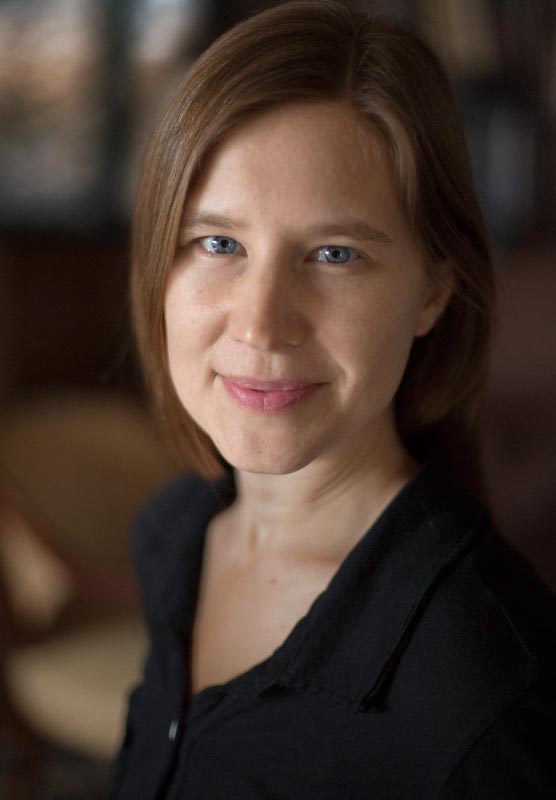
“The energy in the room was urgent, generous, palpable”: Jennifer Solheim on the first gathering of The Conversation: a Chicago literary series.
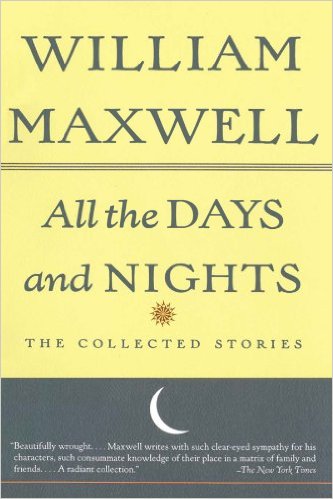
David Savill on how William Maxwell gets away with breaking the rules in “Over By The River.”

From the Archives: Colson Whitehead talks process in his 2009 novel, Sag Harbor, the art of manufacturing genuine nostalgia, and the duality of veering “between the capricious horribleness of the everyday and the absurd beauty of existence.”
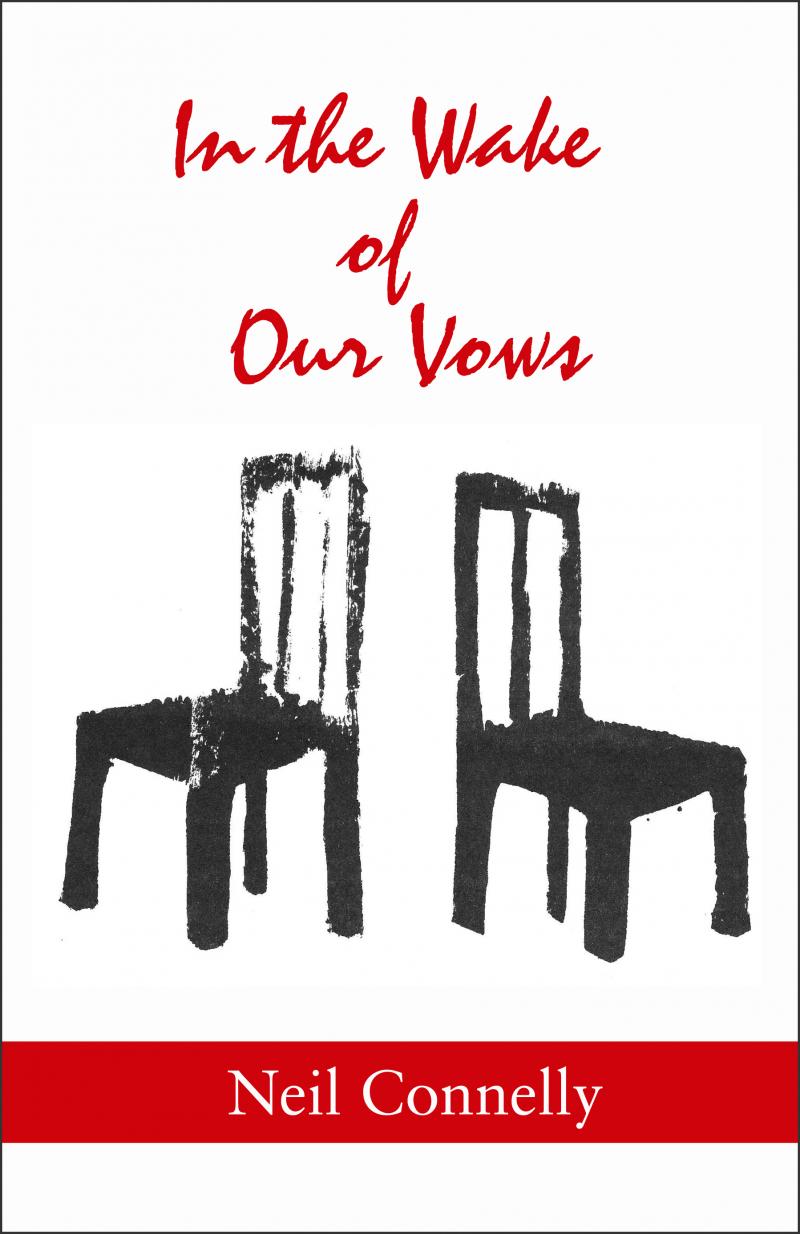
“I tell my students to focus on developing aspects of their characters that they don’t share”: Neil Connelly talks with Steven Wingate about presses tiny and huge, teaching in MFA programs, and his new collection, In the Wake of Our Vows.
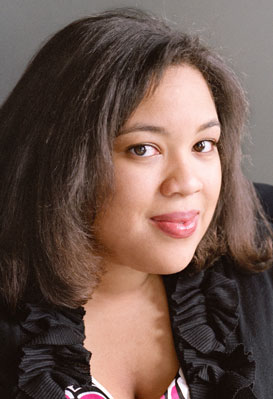
In her debut collection, Before You Suffocate Your Own Fool Self, Danielle Evans’s characters, like most of us, struggle to belong. Their loyalties to place, to family, and to self are often divided. Melissa Scholes Young interviews the author to find out how the identities we claim or deny often define the people we become.
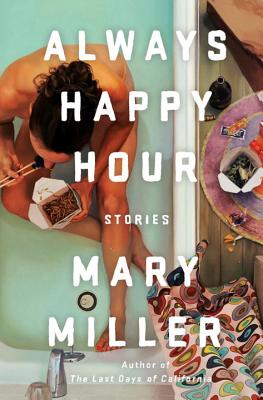
“Always Happy Hour combines all the addictive ingredients of a pop song with a self-awareness and emotional insight that is both searing and deeply sympathetic”: Emily Nagin on Mary Miller’s latest collection.