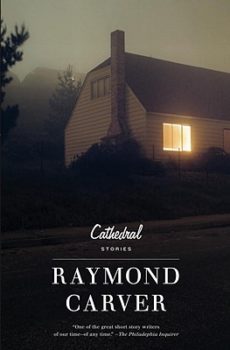
Writing the Aftermath: An Interview with Bret Anthony Johnston
by Sarah Anne Johnson
“Each story is a kind of on-the-job training”: Bret Anthony Johnston talks with Sarah Anne Johnson about his debut novel, Remember Me Like This.

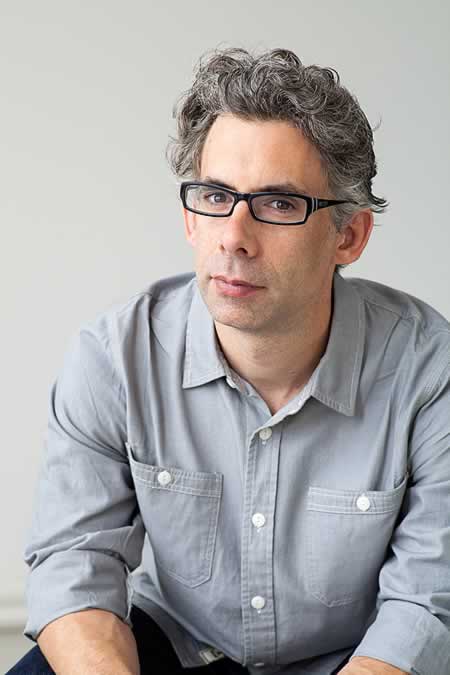
“Each story is a kind of on-the-job training”: Bret Anthony Johnston talks with Sarah Anne Johnson about his debut novel, Remember Me Like This.
“. . .these two groups of women are indeed sisters under the skin, and these authors are sisters as well.” Ellen Prentiss Campbell on connecting Nesbit and Otsuka through their use of first-person plural.
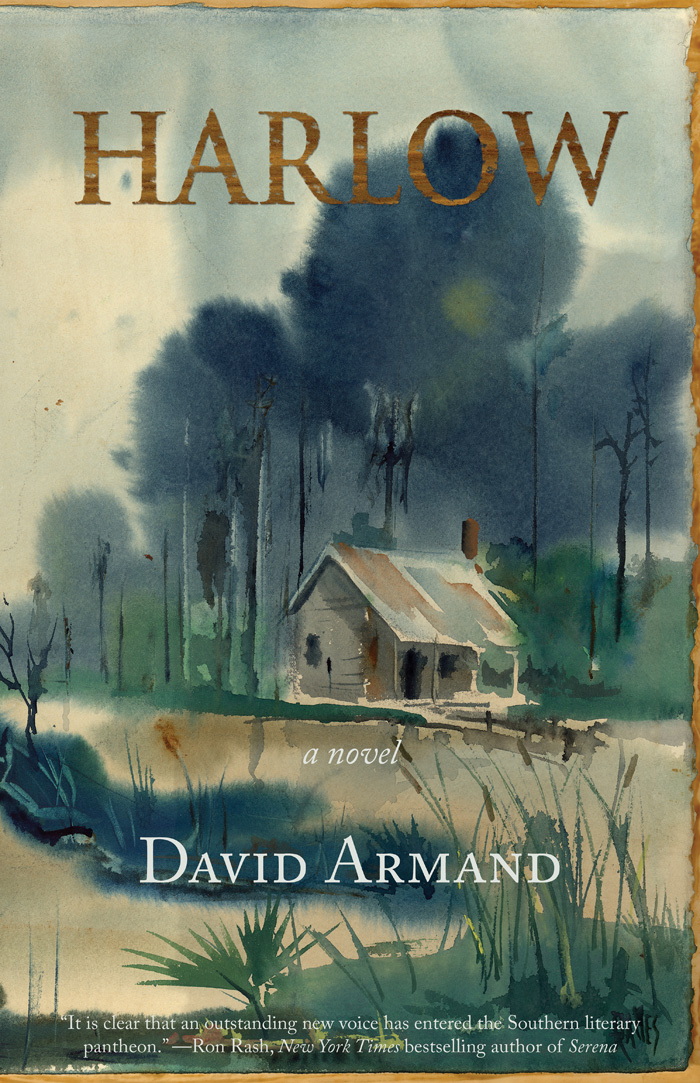
“I would be doing a great disservice to my fiction, to my readers, and to myself if I ever wrote about any other place”: David Armand talks with Dixon Hearne about landscape, Southern Louisiana, and his forthcoming novel, The Gorge.
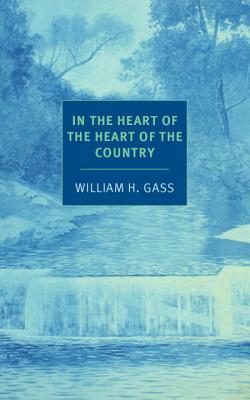
“William Gass’s ‘In the Heart of the Heart of the Country’ stands as an answer for what it means to write from the Midwest. Told in thirty-six discrete sections, this story is a devastatingly gorgeous meditation on loss and the rhythms of the Midwestern landscape.
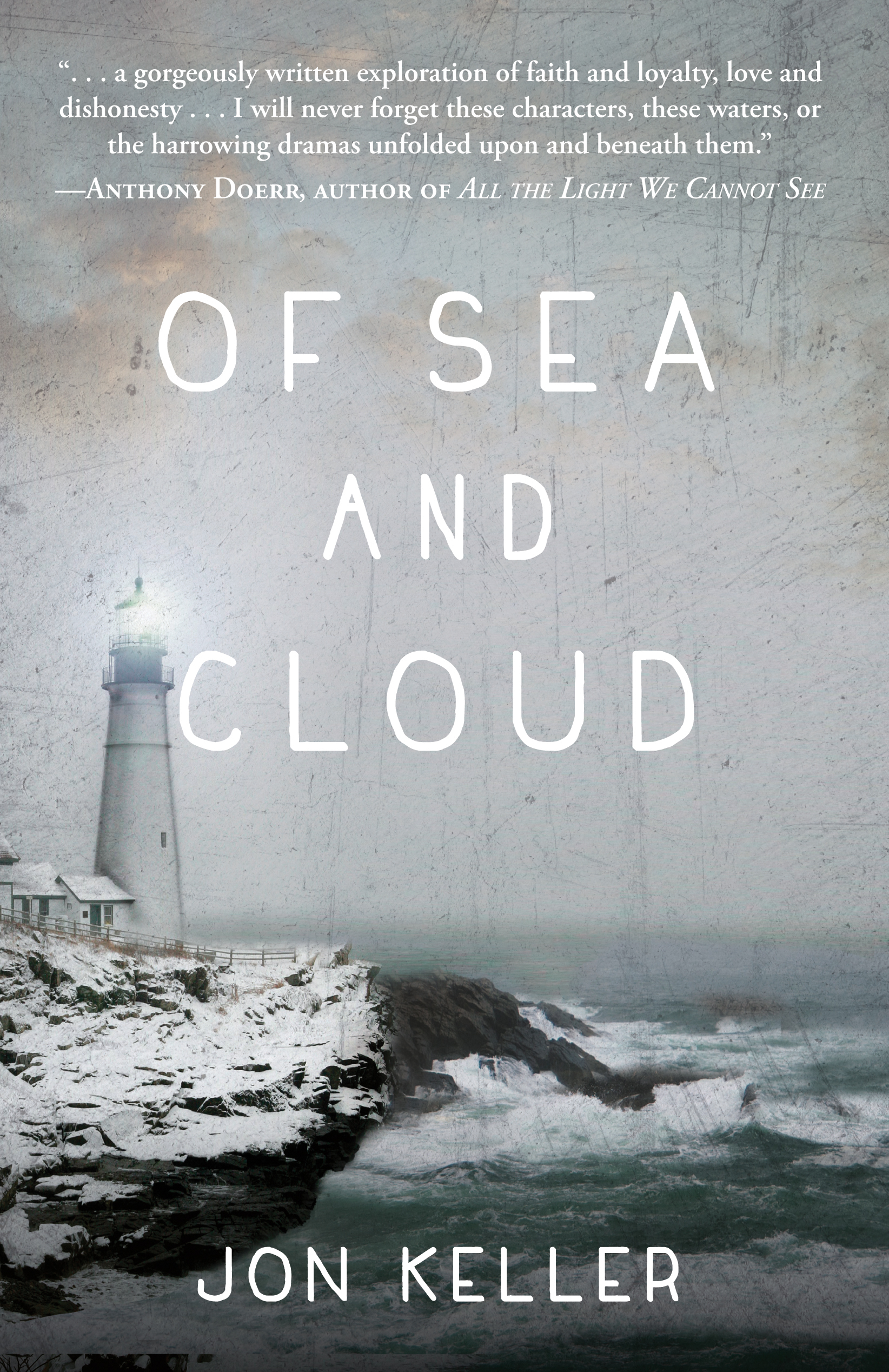
“Fiction writers have a serious responsibility, especially when writing about something that others view as sacred”: Jon Keller with Tyler McMahon on Of Sea and Cloud, his debut novel about Maine lobstermen.
Nichole Bernier talks to E.B. Moore about publishing her debut novel at 72: “The Amish life is exotic to behold and comforting, a little like going to a habitat zoo to watch the slow march of elephants cropping grass with their trunks and blowing dust over their backs.”

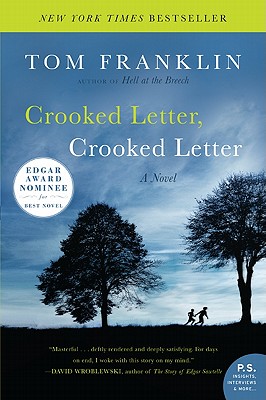
“I’ve been a high school English teacher for ten years, and I think being surrounded by kids all day has helped me to remember what it’s like to be young. I certainly wouldn’t want to go back to those years, but I still think it’s such a cool age. When you’re fifteen, everything is new and fresh; so much life happens.”

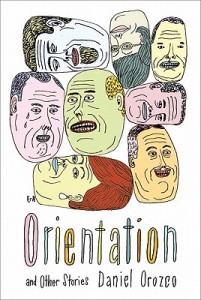
Maureen O’Brien talks to Robin Parks about the rules for writing a good short story, searching for fact in fiction, and creating a cohesive collection.
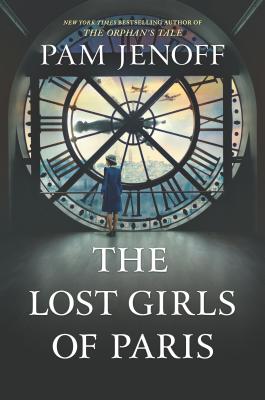
“Here’s the thing about writing historical fiction: you’re not trying to reconstruct or mimic history, which would be altogether boring even if it weren’t impossible. What you’re trying to do is to create a new version of it that will tell a good story while simultaneously capturing something essential, not only about the period, but also about contemporary life.”

“Writing a novel—for me, at least—is like answering a craigslist ad placed by a group of people seeking a roommate. You meet them; you like them; you move in; but within a short period of time, all of them have moved out, and new people have moved in, and these new people, it turns out, are the ones you’re going to live with for the next few years.”