How Big the Bigness Is: Part II
In Part II, Scott F. Parker considers Kesey’s ties to the “pantheon of writers whose lives threaten to overshadow their work.” What did it mean for Kesey to be “as big as he had it in him to be”?
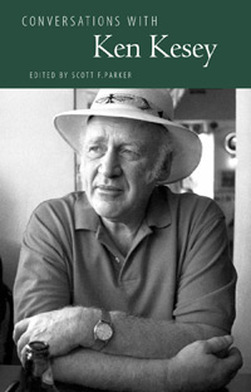
In Part II, Scott F. Parker considers Kesey’s ties to the “pantheon of writers whose lives threaten to overshadow their work.” What did it mean for Kesey to be “as big as he had it in him to be”?
In Part I, Scott F. Parker meditates on Kesey’s influence in and around Eugene. “Everything I knew about Kesey at the time of his death I’d absorbed from the ether of Eugene,” Parker writes. “Being in Kesey’s general proximity was one of my first moments of thinking The World of Events connected at some points with the world outside my window.”
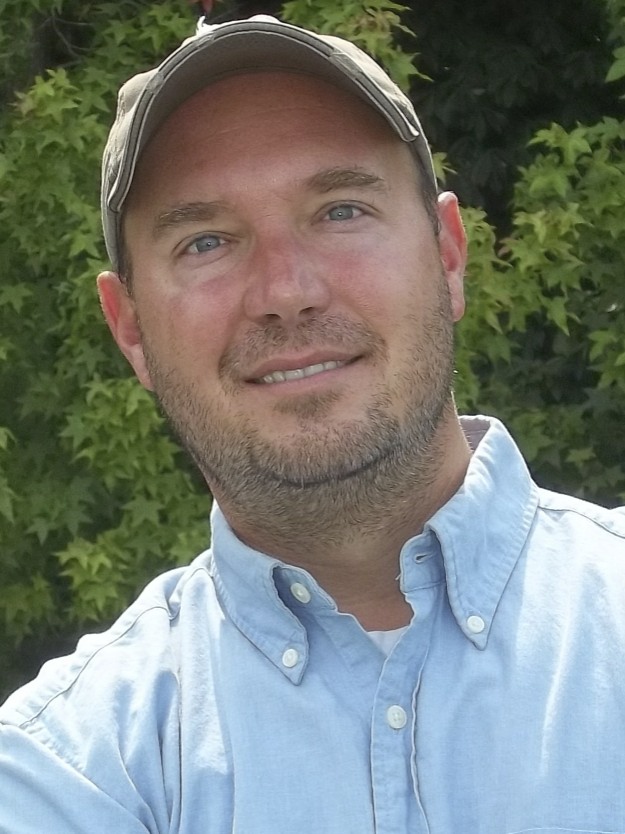
“Good writers manage to stay curious despite the mind-numbing bullshit that laps upon our adult doorsteps. The kinship to our childhood is that curiosity.”
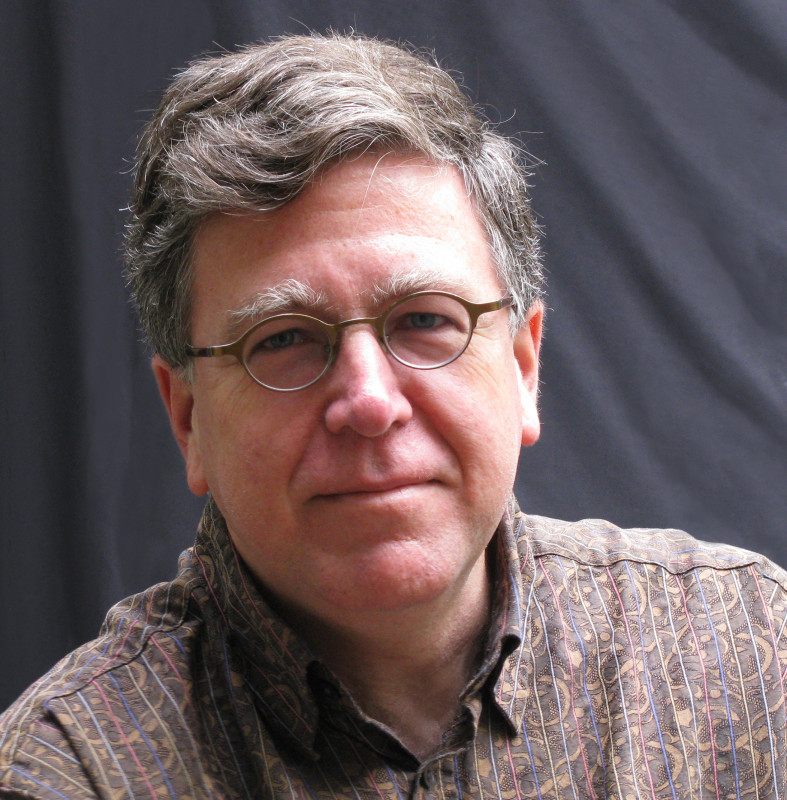
“Fiction that recognizes the different forms power can take more accurately mirrors the complexity of life”: Peter Turchi on how power dynamics can and should inform conflict in fiction.
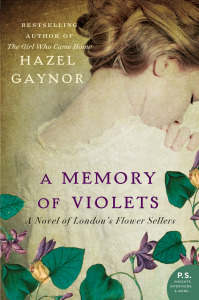
“Accept the slightly soft focus and it becomes part of the charm of Gaynor’s particular book”: Ellen Prentiss Campbell on the pleasures of reading Hazel Gaynor’s historical novel A Memory of Violets.
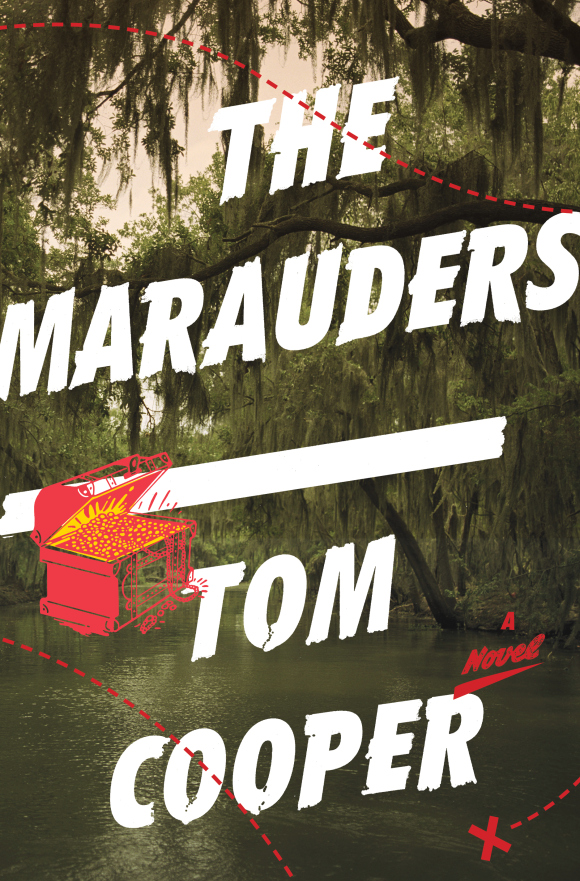
Post Hurricane Katrina and the Deepwater Horizon oil spill, the characters in Tom Cooper’s debut novel, The Marauders, struggle to survive in a world whose customs and cultures are rapidly “disappearing, crumbling to the Gulf.”
“[Henderson] invites us to this place like she might a sleepover between friends, sharing the stories of adolescent wonders and tragedies the way young girls share gossip.”
“I wanted the book not to look like other people’s books. And to have a kind of crazy logic of its own”: Charles Baxter with Ian Singleton on his new collection, There’s Something I Want You to Do.
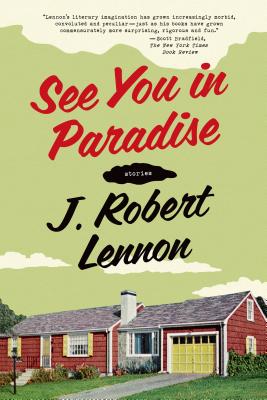
“Lennon not only balances the mundane with the fantastic, but makes the fantastic feel mundane in the context of this world”: Sung J. Woo on Robert J. Lennon’s new collection, See You in Paradise.
“Flannery O’Connor once wrote that every good work of fiction must have an ending that feels both surprising and inevitable. And it strikes me that most of the realizations we have about ourselves are exactly that.”