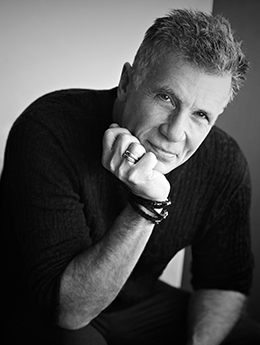
Chronology Isn’t the Only Way: An Interview with Dan Chaon
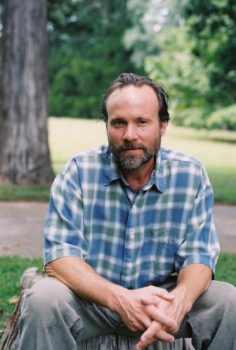
“I’m very much a second draft person”: Dan Chaon and Amy Gustine talk structure, process, and Chaon’s new novel, Ill Will.
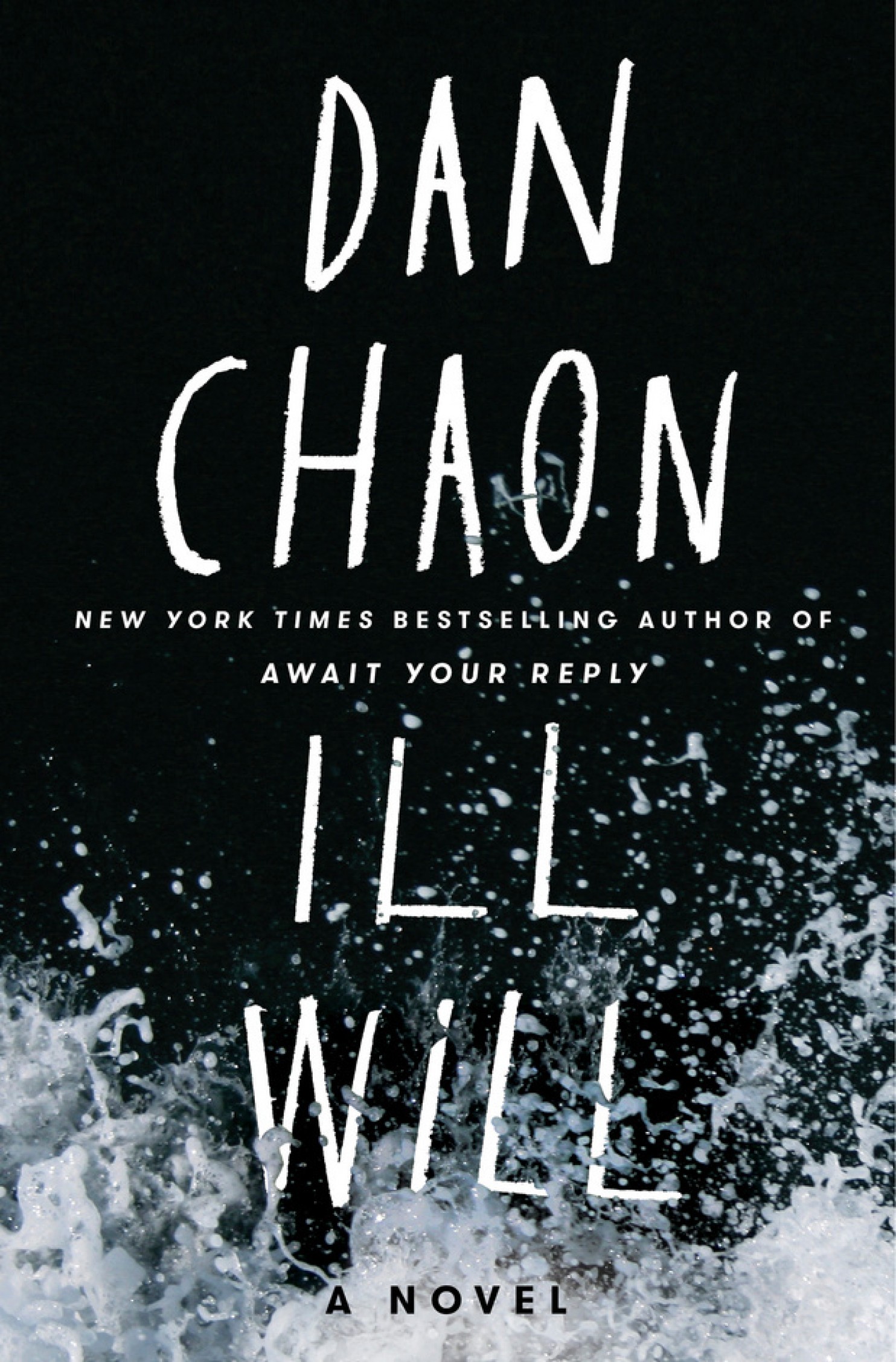
“I’m very much a second draft person”: Dan Chaon and Amy Gustine talk structure, process, and Chaon’s new novel, Ill Will.
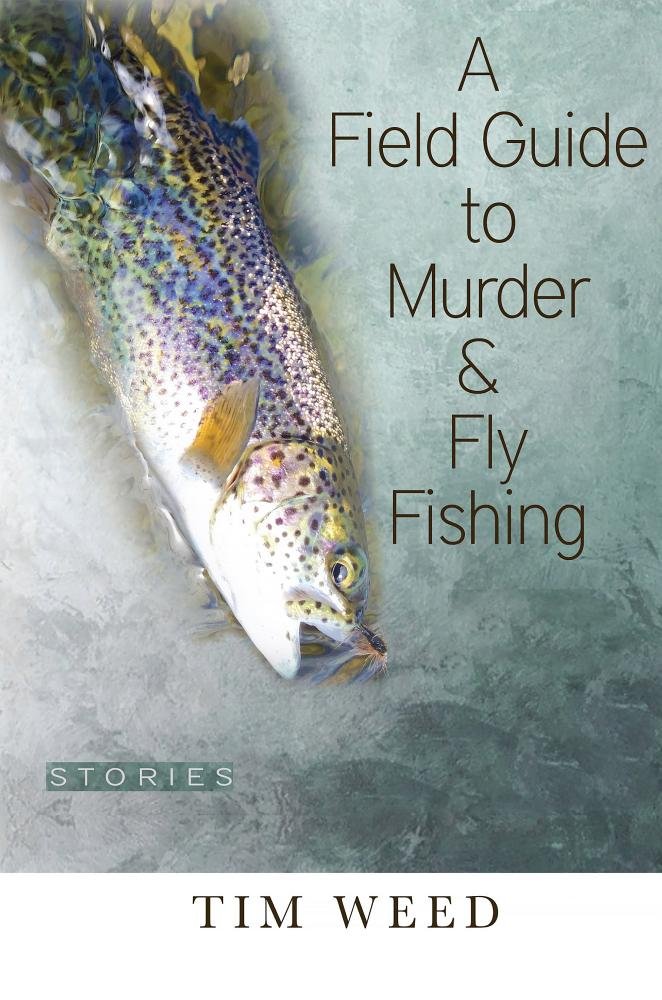
Author Tim Weed discusses how fiction as a medium differs from other narrative arts like film and television.
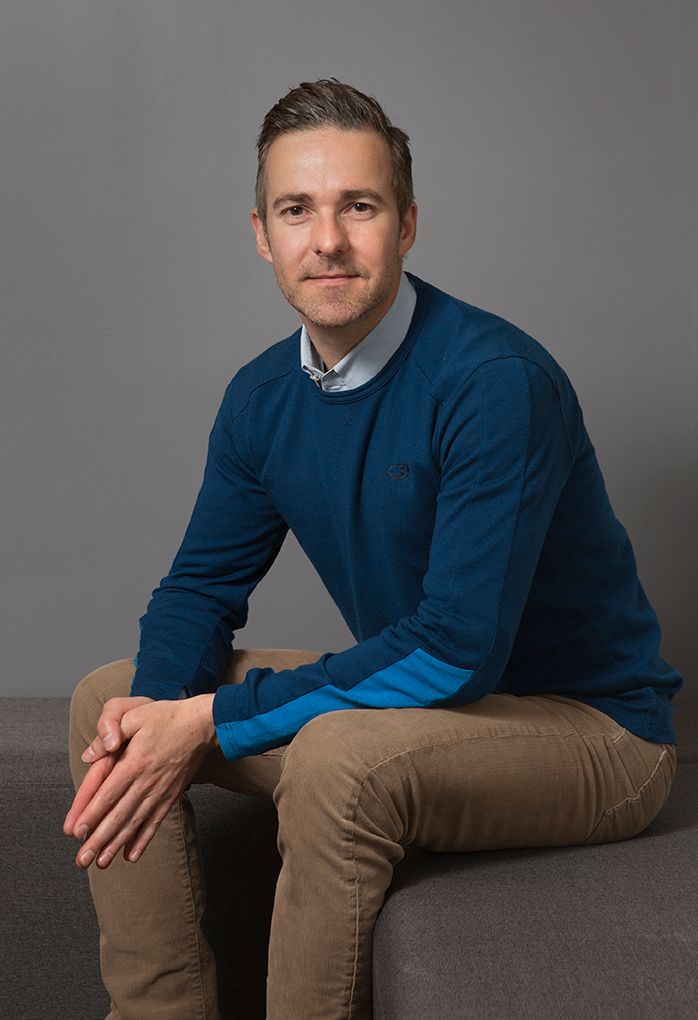
“I perceive fictionalized history as a terrific device for not only the artist’s explored interest in perhaps a previously unfamiliar subject, but as an opportunity to dust convention”: David Ebershoff talks with Brian Bartels in a 2010 interview From the Archives.
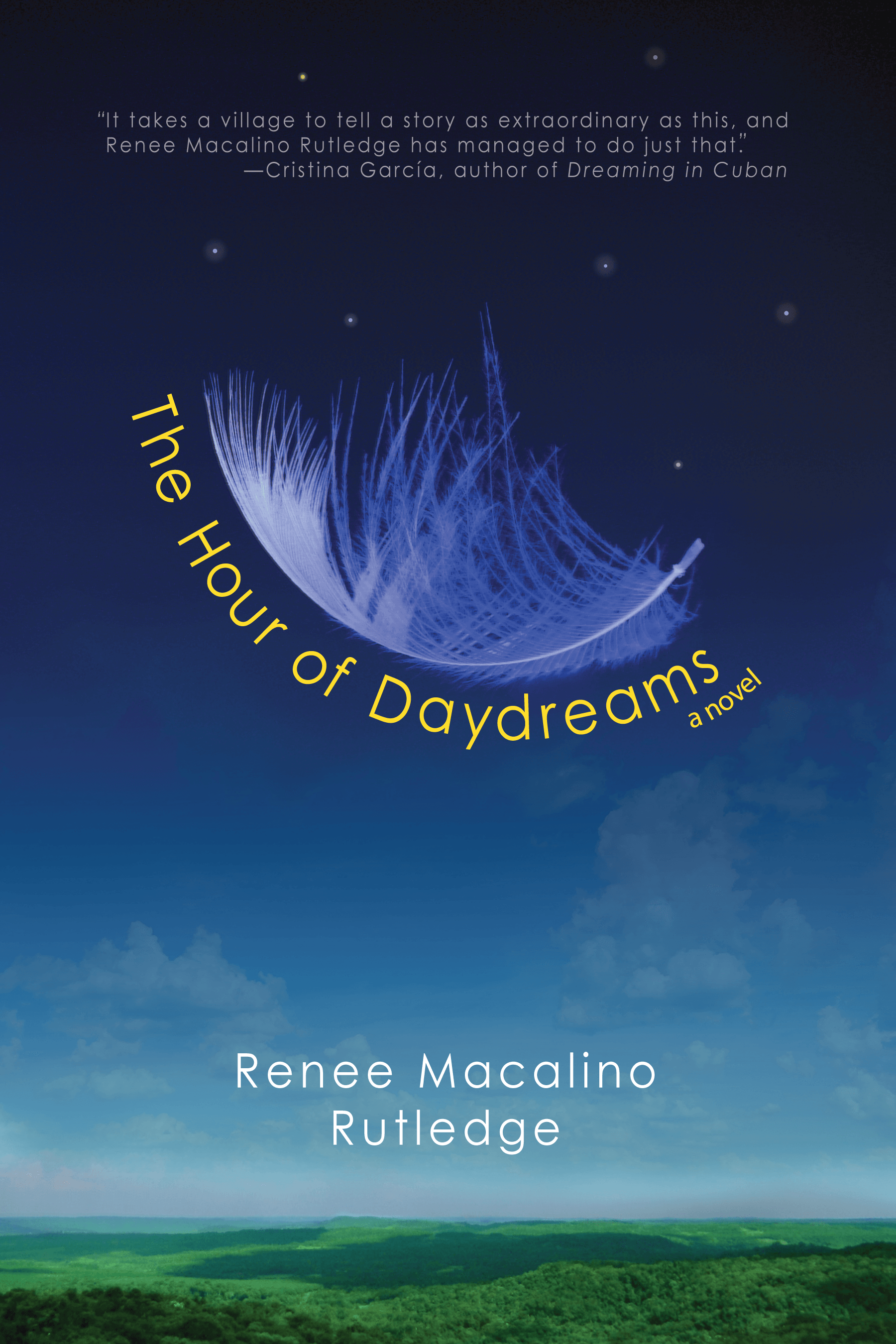
“Renee Macalino Rutledge builds her debut novel on the bedrock of fairy tales”: Christi Craig on The Hour of Day Dreams, out this week from Forest Avenue Press.
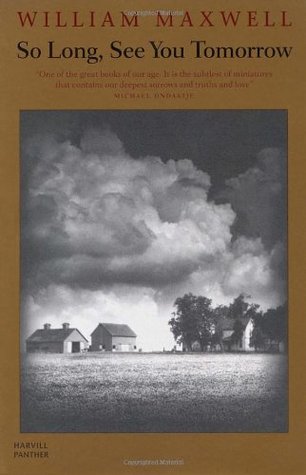
“Imagination is not just suspension of disbelief but also a method of investigation, a way of knowing and a means of effecting change.”
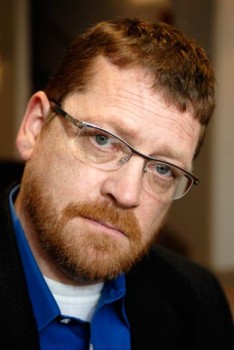
“By peppering his prose with subtle, sinister details,” Jacob M. Appel argues in this craft essay, “Chaon manages to create a subtext of tension that supports the weight of the story’s content.”
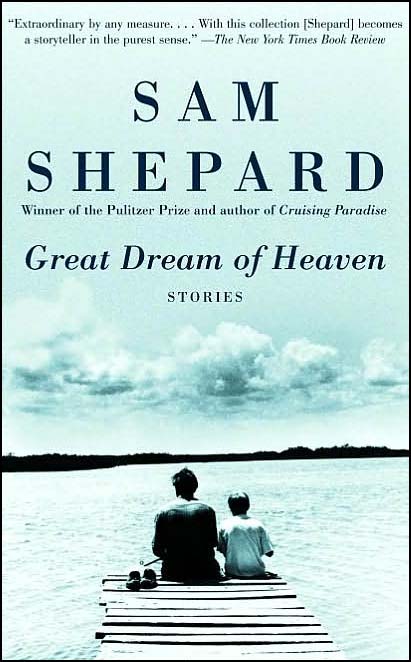
RT Both examines how Sam Shepard probes the limits of social unease in times of division.
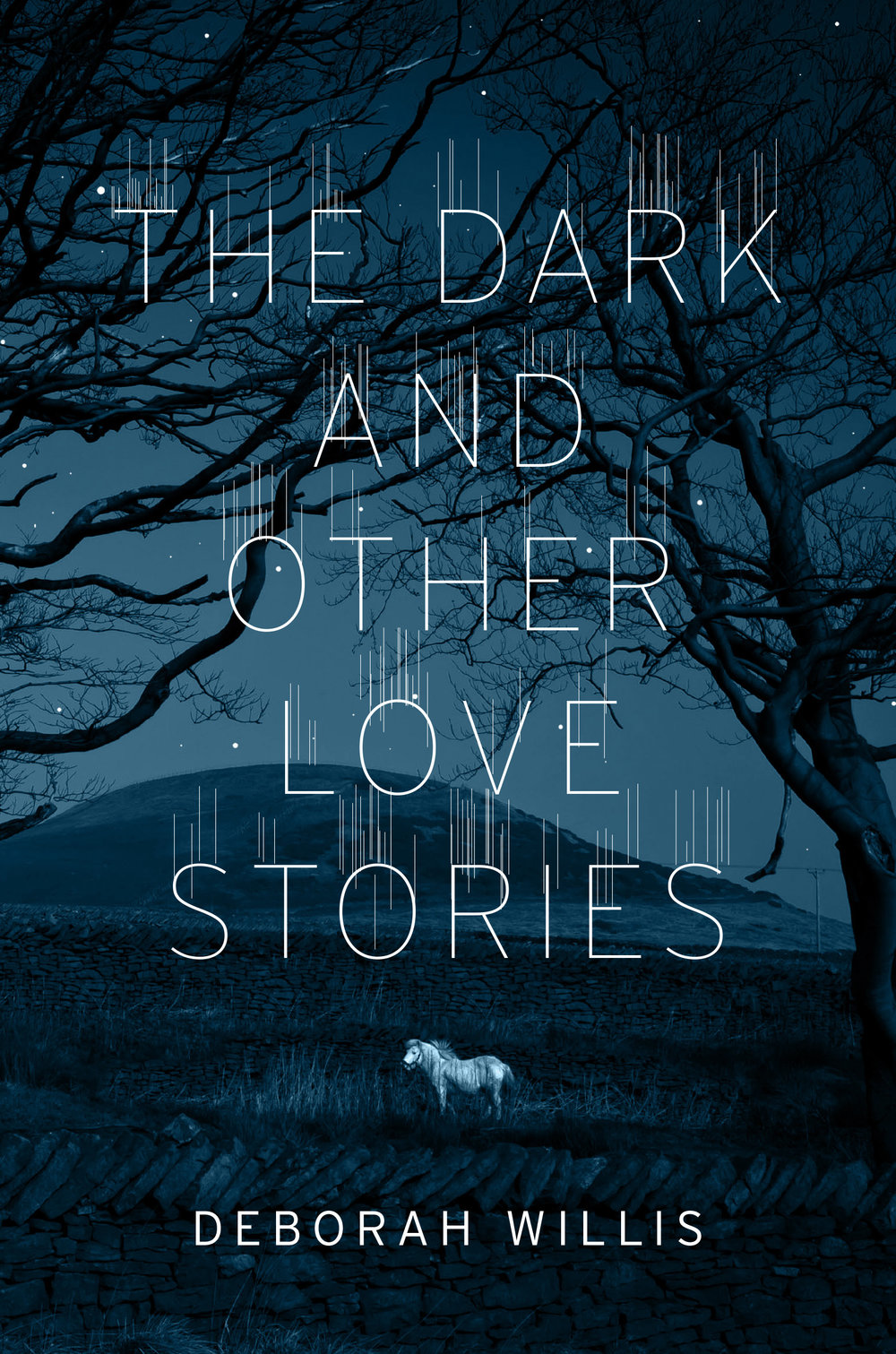
“It’s rare to read a book that’s right nearly all the way through”: Emily Nagin on Deborah Willis’s new collection, The Dark and Other Love Stories.

From the Archives: The title of Jim Shepard’s 2011 collection, You Think That’s Bad, could also be a creative mantra. Here the veteran writer discusses his research process, the apocalyptic state of the world, the (possible) irrelevancy of literature to the apocalypse, his epic mustache—and other matters of importance.
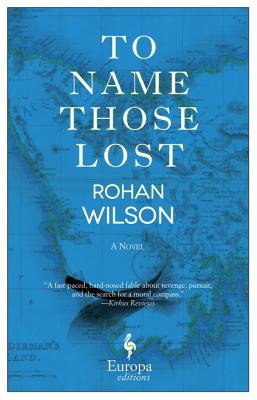
“The jarring effect of Wilson’s tale is that nothing is as it appears”: Mari Carlson on Rohan Wilson’s To Name Those Lost.