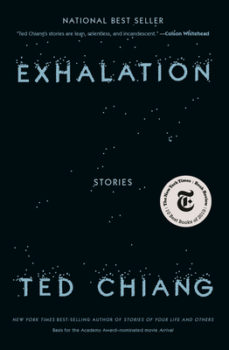
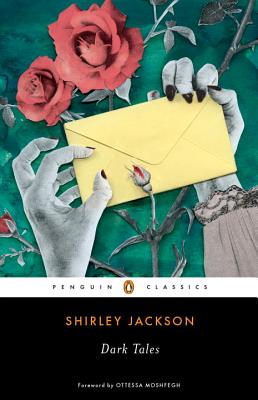
I am the Deepest Side of You: the Short Stories of Antonio Tabucchi
“History, personal or collective, weighs on everyone in these stories, sculpting their inner lives. And yet, Tabucchi suggests, an unlikely transcendence is possible.”

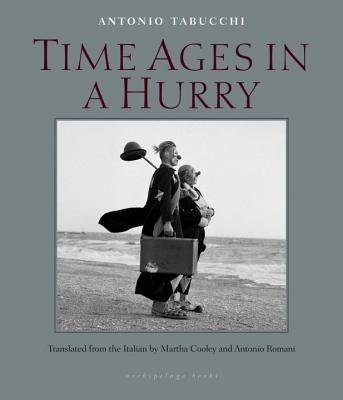
“History, personal or collective, weighs on everyone in these stories, sculpting their inner lives. And yet, Tabucchi suggests, an unlikely transcendence is possible.”

“When I write about Japan, I want to get it right, but I wouldn’t say I’m nervous because I’m not Japanese. Just like I’m not nervous writing from the point of view of an elderly man because I’m neither elderly nor male. My gut tells me if I know enough about a place or character to get it right.”

“I hope readers feel some complicated empathy at the end of the book. Squirm a little, yes, but feel sort of happy about the squirm. That’s what I felt while writing it: Can I write this? Can I really sit still and commit this act of violence with my fingers? What does it mean about me that I did? And how do you actually explore human beings without getting into our inherent dark half? “

“Told in the third-person perspective of a young boy named Joshua, ‘Navigators’ follows this boy and his father as they engross themselves within the world of the fictional NES (Nintendo Entertainment System) video game Legend of Silence.”

“It was tempting to allow those two characters in ‘Body Asking Shadow’ to find a way to communicate with actual language in the final scene, but in the end it felt both truer to the story and more interesting to let them communicate only through unlikely means, and to have that nonetheless suffice.”
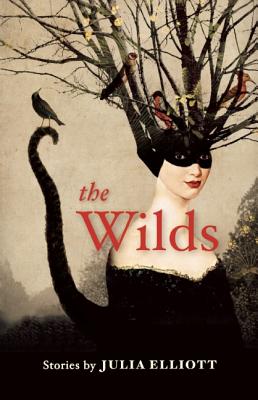
“It is a story, like love, as fanciful and appealing as a unicorn crossed with a whale, and as real and baffling as a narwhal.”
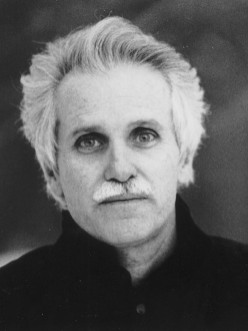
“To be honest, I’d say that in the end the only thing that ultimately matters in story writing is simply trying to create a strong and original narrative, plus always aiming to make every story a little tour de force, which is a what a truly successful short story should be, possessing that intensity—it’s why a story is so much different than a novel and special in a way.”
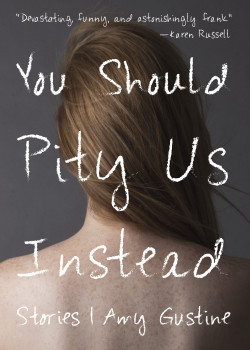
“While the focus remains on R’s mother and her quest, we see how a plight that seems unique when the story opens—how many mothers set out to rescue their sons from foreign militants?—lies on a continuum of vulnerability for women living in nations at war.”

Join us for our seventh-annual celebration of the Short Story, as we dedicate the month of May to short fiction.
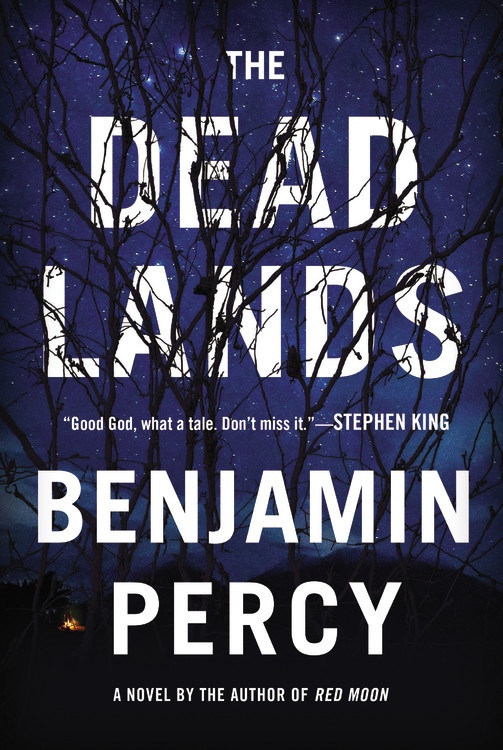
Percy has turned himself into a cross-medium, cross-genre success whose unabashed embrace of work outside the narrow confines of literary fiction is opening up new opportunities and allowing him to have a hell of a good time.