The Betrayers, by David Bezmozgis
by Ian Ross Singleton
“Even though recent history might seem to have betrayed Bezmozgis’ intentions, what’s important in The Betrayers are the people who live, toil, and suffer in Crimea and Israel-Palestine.”
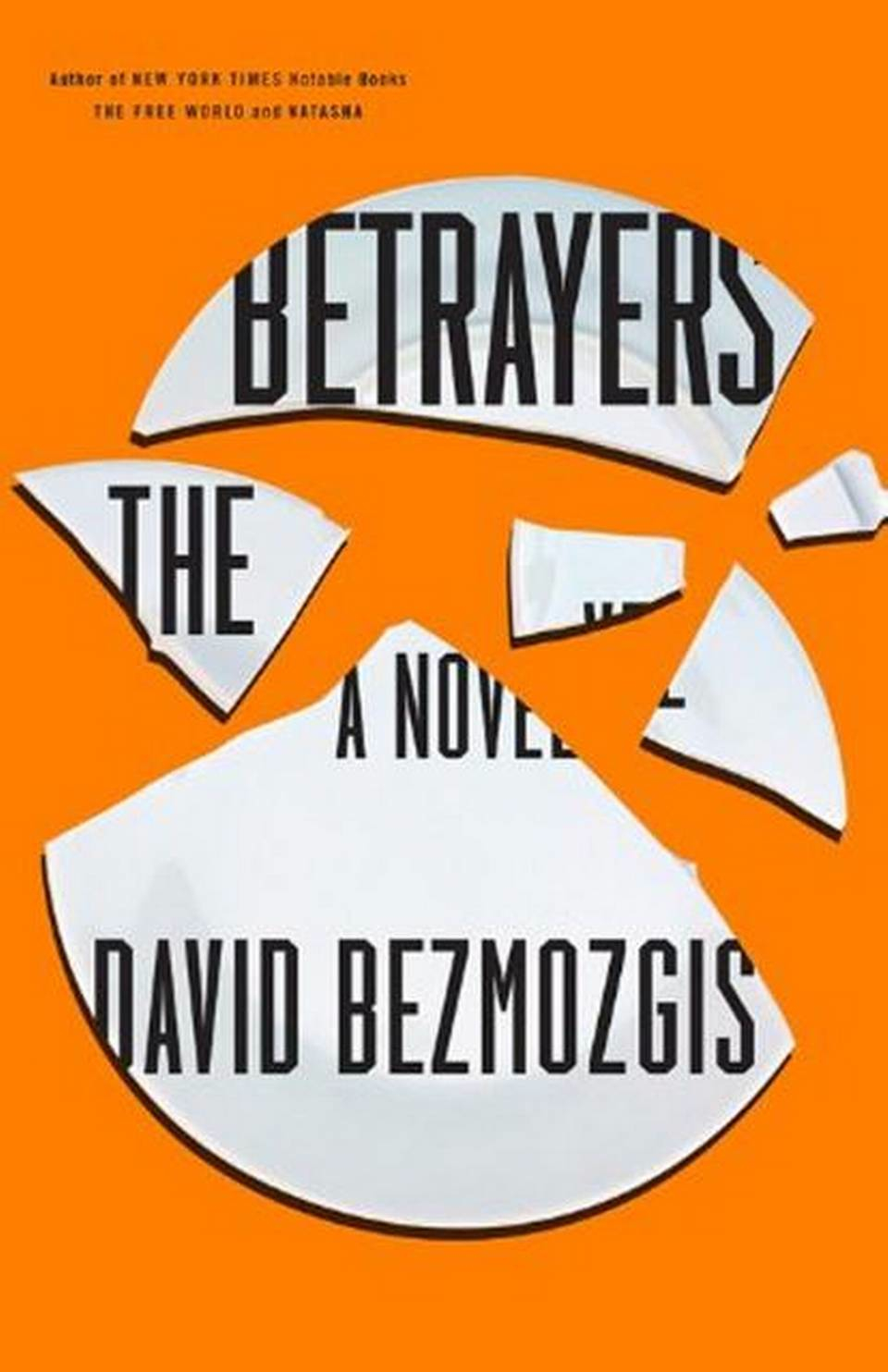
“Even though recent history might seem to have betrayed Bezmozgis’ intentions, what’s important in The Betrayers are the people who live, toil, and suffer in Crimea and Israel-Palestine.”
“I usually feel like an aesthete, just trying to write decent sentences. But with this book I was aware of being a white guy consciously setting out to write about race and about certain feelings buried in white people and I wouldn’t be much of a writer if I was going to go into all of that and come out the other side having given it a trivial treatment and being okay with that.”
“More than anything, I wanted this book to take on the processed food industry. As a satirist, I wanted my novel to serve as a kind of corrective to it, if only by asking readers to question what it is they’re eating. But the food industry doesn’t exist in a vacuum, so it’s what it reveals about American life that is really at the center of the novel.”
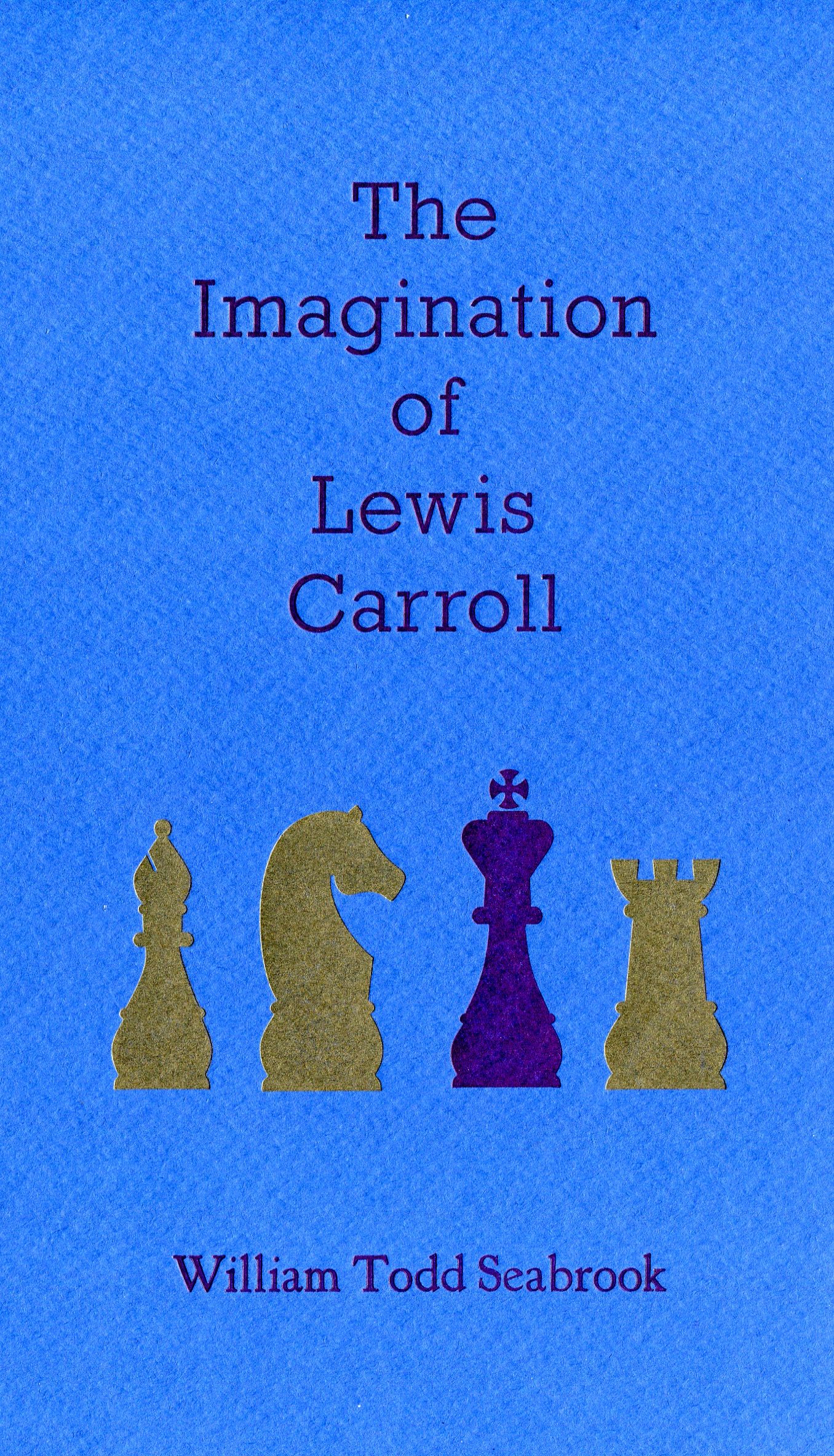
Given the vast quantity of Alice/Carroll-inspired work, the reader might wonder: “Is there anything new to add?” Here, happily, Seabrook proves it is still possible to make an original contribution.
“I barely scraped the surface of the vast bank of medical cases I had at my disposal”: David Bajo talks with Tyler McMahon about the world of medicine, literary plotting, and Mercy 6, his latest novel.
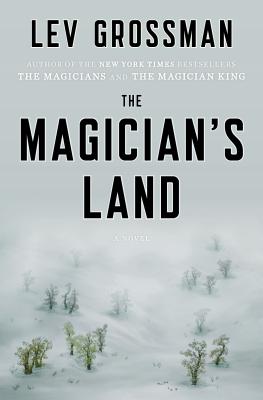
“While each novel can stand on its own and conclude satisfactorily, Grossman has built a few essential worlds that help us understand fantasy and our relationship to it through through a progression of novels about people like us faced with the spectacular.”
“While one can’t learn the ineffables of writing from the page or a person—voice, innate talent, insightful narrative—one can gain skill sets and learn tools. Like architecture or painting, one’s concept and talent requires more than paper and pen.”
“I don’t cater to the fiction writers in my poetry courses, yet they have taught me to acknowledge commonalities across genres. In exploring these commonalities, we better see distinctions as well.”
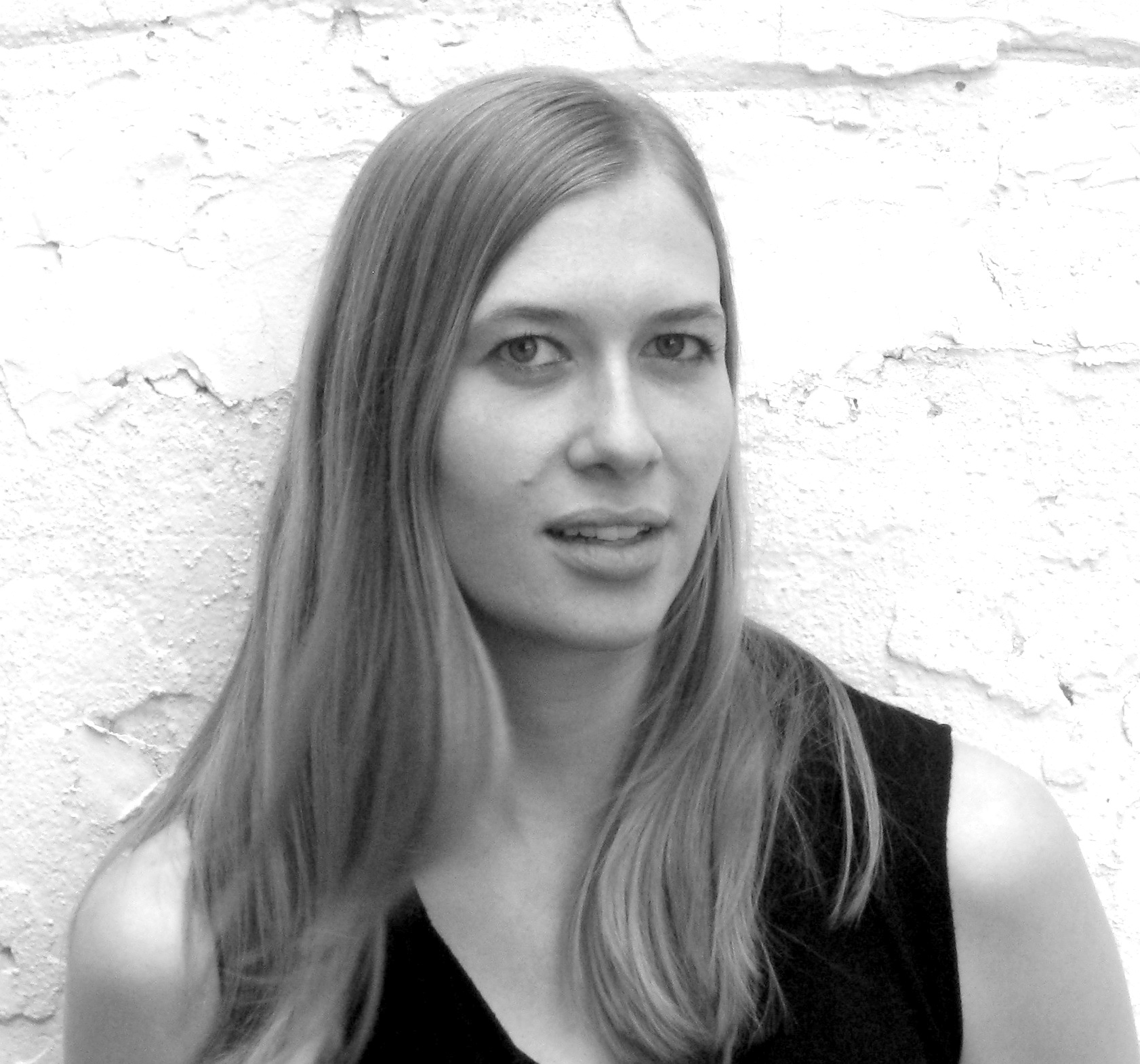
“For me, the perspective shift is one of the great powers and pleasures of writing fiction,” says Katherine Hill in conversation with Melissa Scholes Young. “Not that I’d be bored with one perspective—well, all right, I might be bored—but I think I’m just incredibly interested in people’s reactions to each other, both conscious and unconscious.”
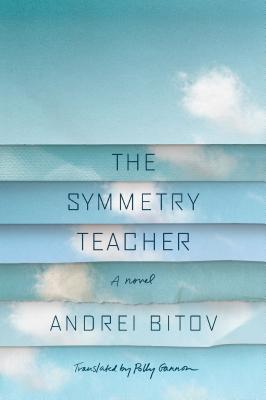
“The Symmetry Teacher and its Russian version have a different relationship than the traditional one of a translation to an original. The additions and augmentations alone suggest this. The Symmetry Teacher is a bilingual or interlingual novel. Perhaps translingual is the term for it, since the novel refers back to its previous versions.”