Solitude and Possibility: An Interview with Nancy Reisman
“Is there ever enough solitude? I think I’ve always been alert to the competing tugs between togetherness and separateness, especially with regard to family life.”


“Is there ever enough solitude? I think I’ve always been alert to the competing tugs between togetherness and separateness, especially with regard to family life.”
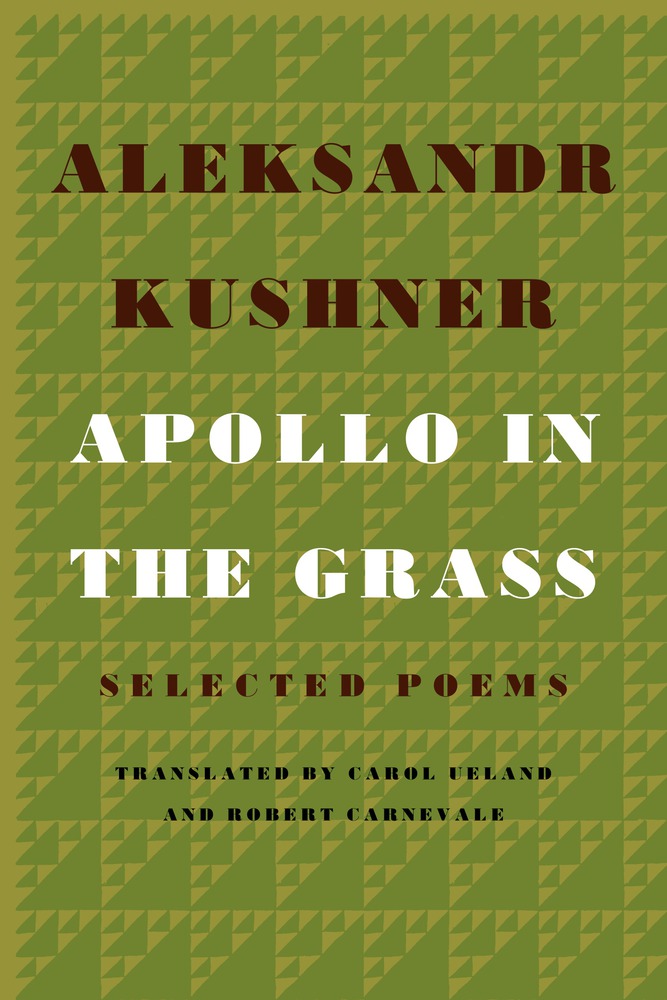
In the introduction to their forthcoming translation of Apollo in the Grass: Selected Poems, by Aleksandr Kushner, Carol Ueland and Robert Carnevale write that “translators simply have to admit that most of the music of most all lyric poetry, and most of its phenomenal presence, stay at home, in the native tongue. But ‘music of language’ is a metaphor.” Ian Singleton examines how this claim plays out in their translation of Kushner’s poetry.

“I don’t think poets have a responsibility to do anything, which is the great thing about being a poet. And the competing but equally true fact is that to write good poems poets have a great number of responsibilities.”
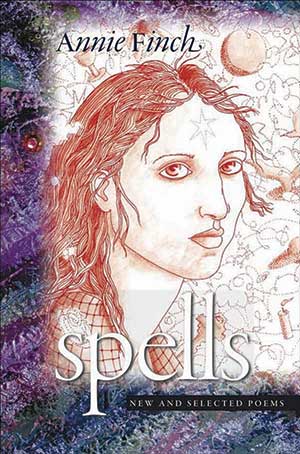
“Annie Finch’s Spells, a sweeping new and selected book, pushes readers to consider and even embrace the tradition of women’s poetry. It is no conundrum for her.”

“No relationship is entirely transparent. More important, our understandings of relationships evolve and shift—knowledge dawns on us, bit by bit with new information, context, and different points of view. How two bodies interact in unseeable places and ways can tell an entire story, whether particular…or universal.”
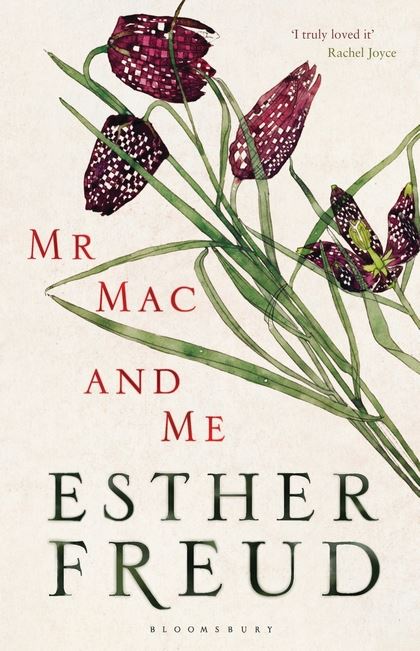
“Every character in this book works,” writes Ellen Prentiss Campbell in her review of this new book. “Among the greatest pleasures of reading this novel is Freud’s detailed and well-integrated research into the truly labor-intensive life of a seaside village in 1914.”

“I knew I wanted the book to have one foot in the past and one in the present. It was the only way to really explore the themes that interested me, namely how much impact does the past have upon our present? “

“All the pieces finally came together for me when I figured out what was at the heart of the novel: why Anna could see her son’s imaginary friends and what the significance of that was, both in terms of plot and theme.”

Chloe Benjamin speaks with her mentor and friend Judith Claire Mitchell about A Reunion of Ghosts, which took ten years to write. Mitchell says of the process, “When students are struggling with their own novels, I do understand what they’re going through and I think I’m often able to give them perspective on the nature of this massive, unwieldy, impossible enterprise that keeps them from giving up.”

“In The Universe of Click it’s more important to have someone saying ‘I loved it!’ than ‘The notion intrigued me, but I was unmoved by the pleonastic ramblings on page 94.’ A review is somehow less decisive than the perception that someone has liked something and passed it on to friends and acquaintances on Limped-In, Face-Schmuck, Mumbler, and Fritter…”