Every Kind of Writer: An Interview with Nick Scorza
by Danielle LaVaque-Manty
Danielle LaVaque-Manty talks with Nick Scorza about lakes vs. oceans, genre, and the work of plotting and publishing his debut novel, People of the Lake.

Danielle LaVaque-Manty talks with Nick Scorza about lakes vs. oceans, genre, and the work of plotting and publishing his debut novel, People of the Lake.
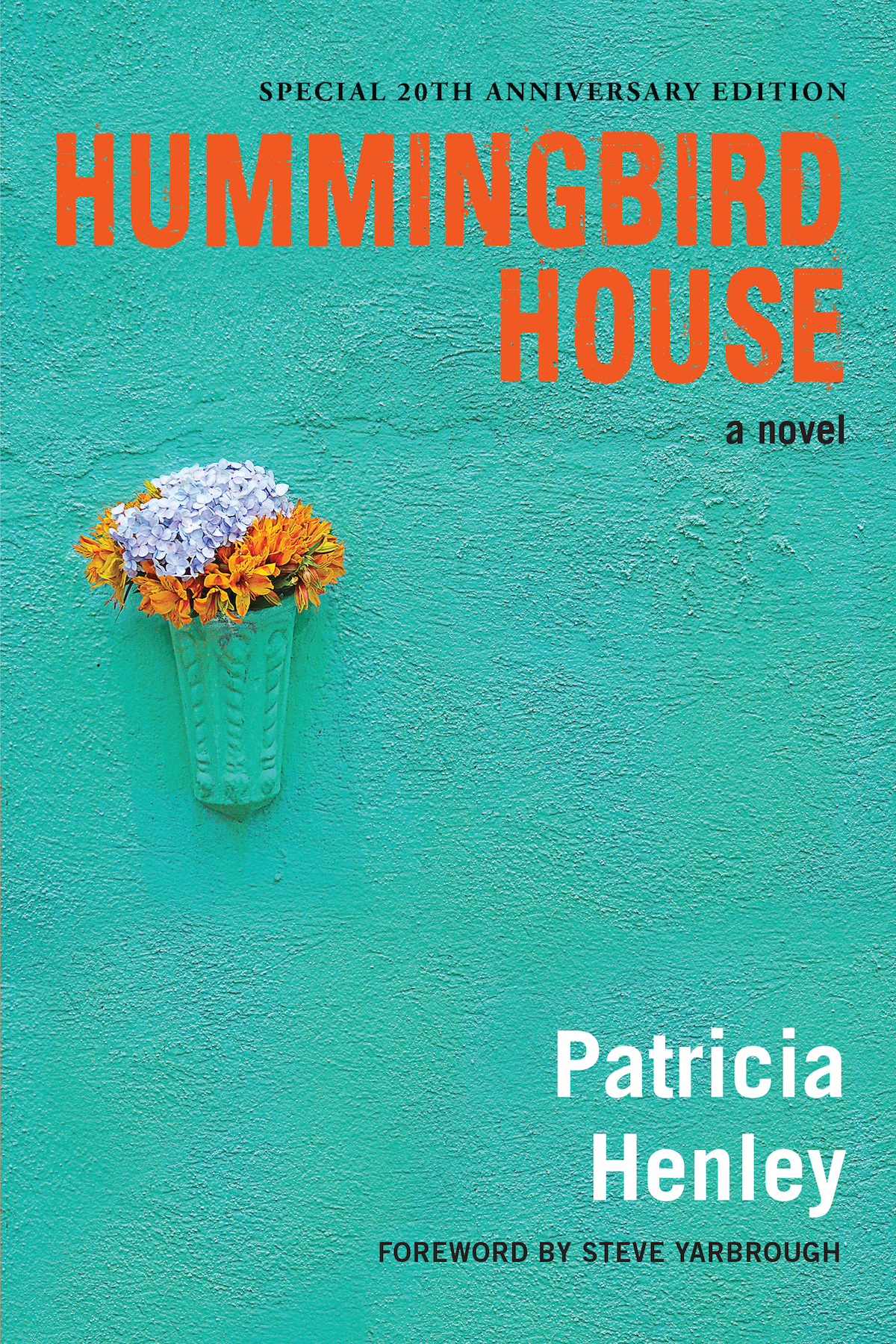
“I didn’t know what I’d find. I went where I was led.” Kim Church interviews Patricia Henley about writing place, the business of publishing, and Haywire Books’ twentieth-anniversary reissue of her debut novel Hummingbird House.

“I want you to connect and empathize with those people. I want you to understand that you are capable of horrible things even if you’re a good person.” Saul Lemerond interviews Leigh Camacho Rourks about Grit Lit, writing the body, unlikeable characters, and more.

“Today, when I skim that first baker’s dozen I made a decade ago, my heart begins to race at the mere sight of some of the titles”: Joshua Bodwell offers his favorite reads during 2019 on the ten-year anniversary of his original “Baker’s Dozen” list.
“I love ‘The Great Silence’ because it is the odd bird out, or, to double down and use another cliché, the canary in the literary coal mine of the collection that warns us that we might all be doomed if we don’t listen.”
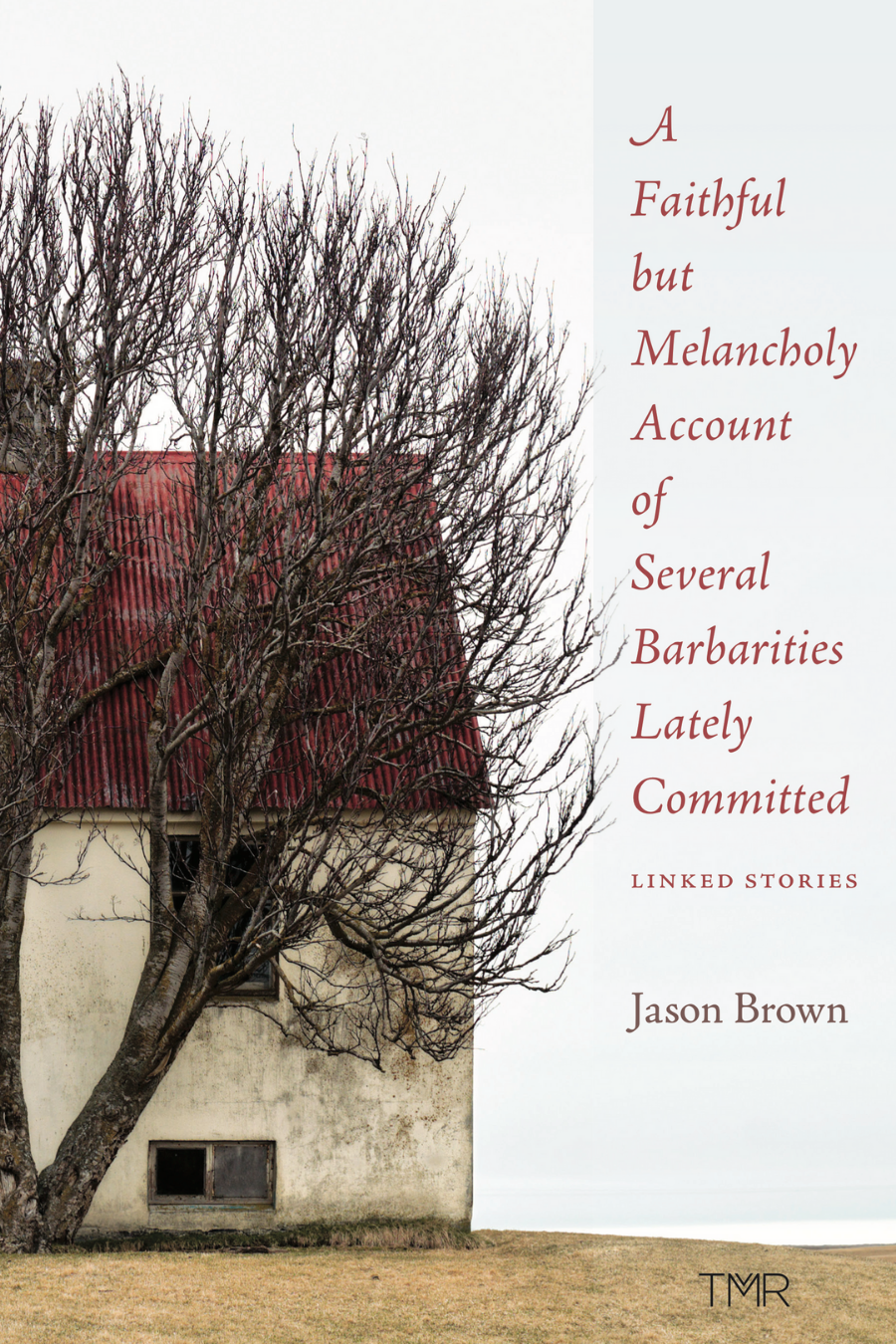
“A linked collection has the luxury of telling a story that doesn’t quite hold together or go anywhere.” Marjorie Celona interviews Jason Brown, whose linked collection, A Faithful but Melancholy Account of Several Barbarities Lately Committed, is out now from Missouri Review Books.
Part II of Peter Turchi’s essay on shifting narrative distance in third person fiction continues with an examination of the techniques used by Jenny Erpenbeck in her novel Go, Went, Gone and Adam Johnson in his story “Hurricanes Anonymous.”
“There is nearly always a difference between the story the narrator understands and wants to tell, and the story the character would tell. That’s why the story is in the third person.” Part I of Peter Turchi’s essay on shifting narrative distance in third person fiction.
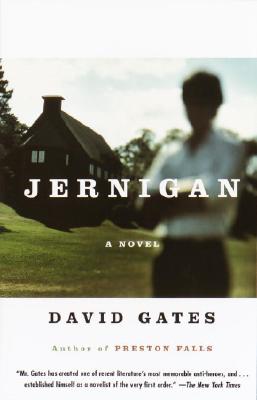
“I love when a writer asks me to forgive a parent despite the pain they’ve caused their child”: Amber Wheeler Bacon on empathizing with bad parents in fiction.
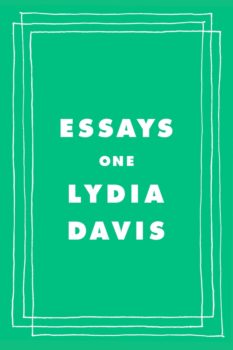
Sofie Verraest talks with Lydia Davis about her new book, Essays One, as well as the difference between writing essays and stories, the role of “coherence” in each genre, the climate crisis and the role of writers, and more.