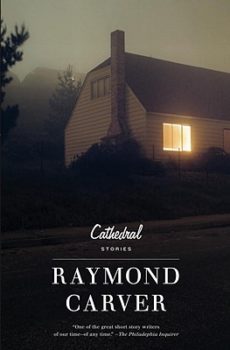
Anything Is Possible, by Elizabeth Strout
by Ellen Prentiss Campbell
“Lucy’s the disturbing stone thrown into a still, dark pond”: Ellen Prentiss Campbell on Elizabeth Strout’s new novel, Anything Is Possible.
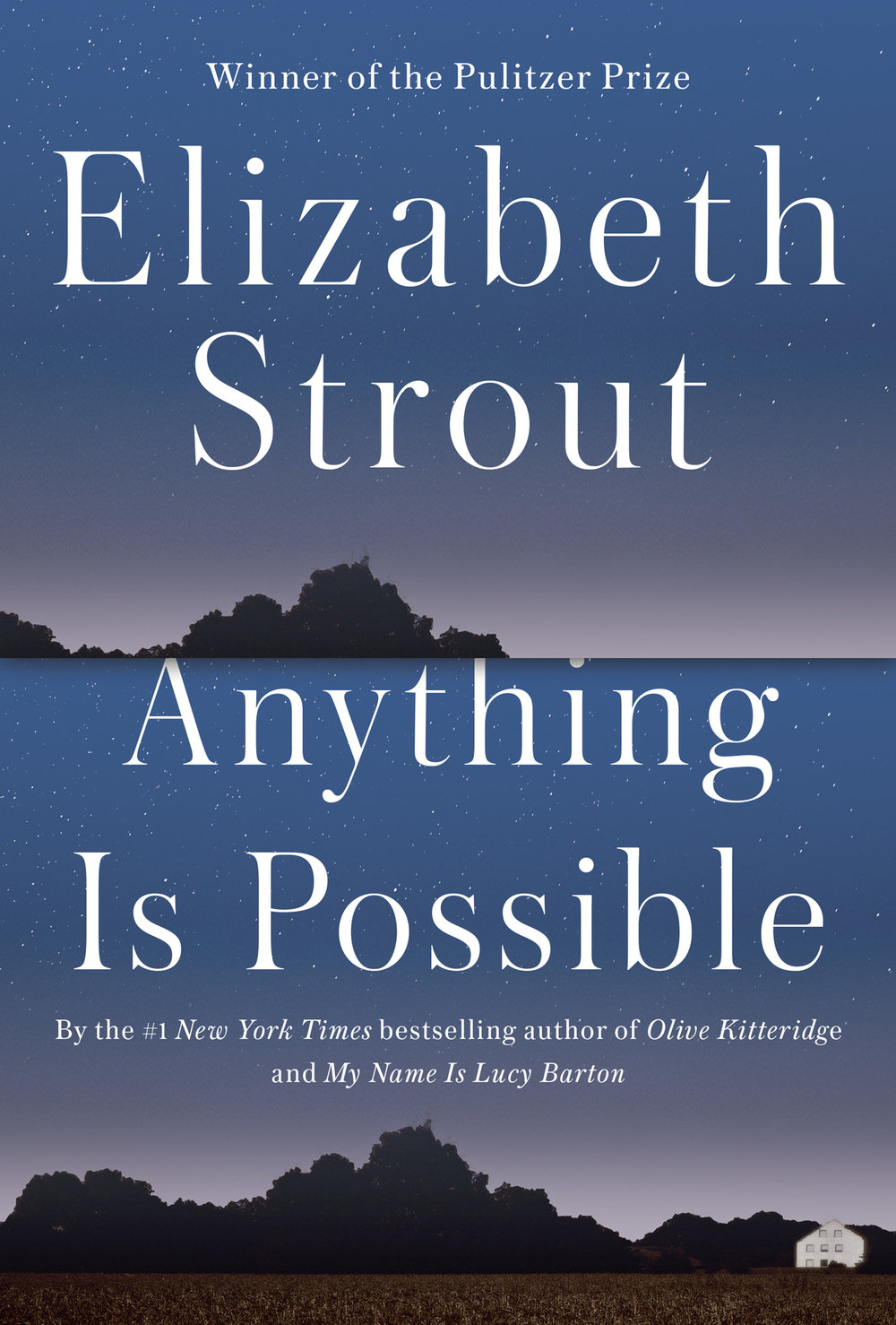
“Lucy’s the disturbing stone thrown into a still, dark pond”: Ellen Prentiss Campbell on Elizabeth Strout’s new novel, Anything Is Possible.
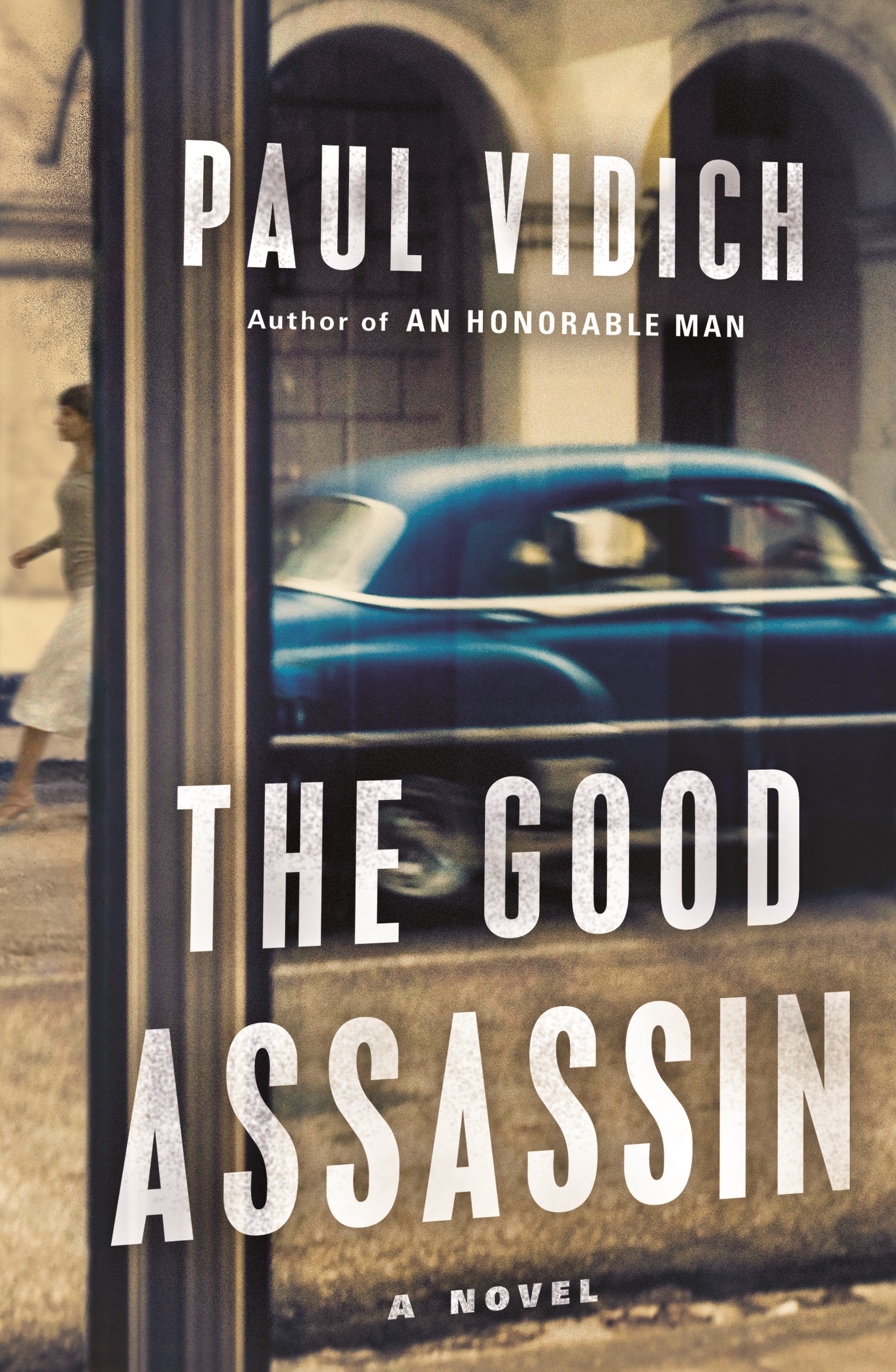
“I try to write about enduring human frailties”: Paul Vidich and Paula Whyman chat about publishing later in life, family, and Vidich’s new novel, The Good Assassin.
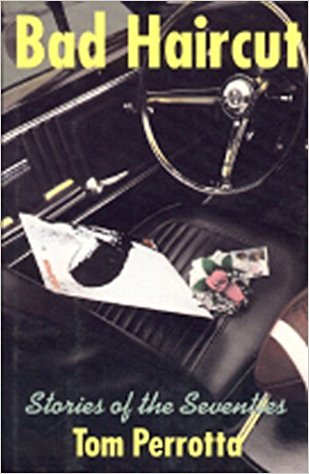
Joshua Bodwell shares about the lasting impact Tom Perrotta’s “The Weiner Man” has made on him.
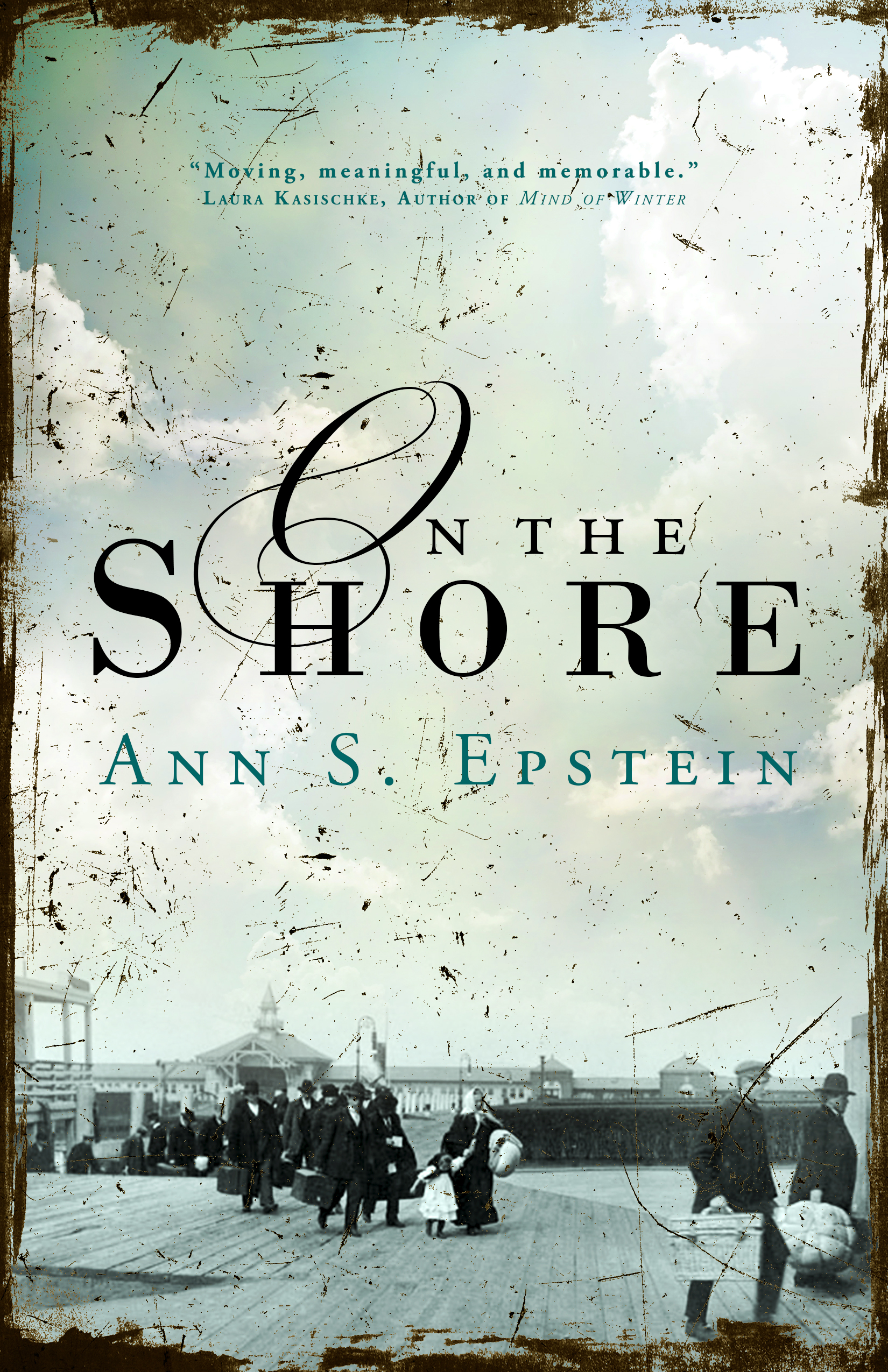
“My final suggestion is to feel free to ignore all of the above advice or any other ‘shoulds'”: Ann S. Epstein with Danielle LaVaque-Manty on self-teaching, researching historical fiction, and her debut novel, On the Shore.
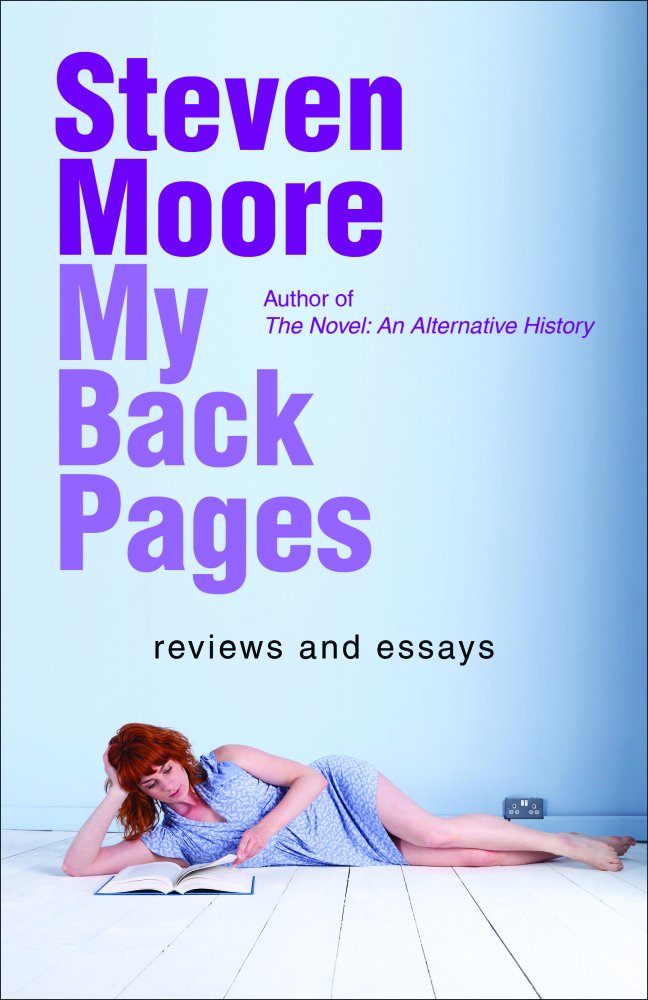
“Appreciation, not vivisection, is his goal”: Julian Anderson on My Back Pages, critic Steven Moore’s collected reviews and essays, out this month from Zerogram Press.
From the Archives: poet, publisher, and literary agent Lucas Hunt with a few thoughts on why fiction writers should read poetry.
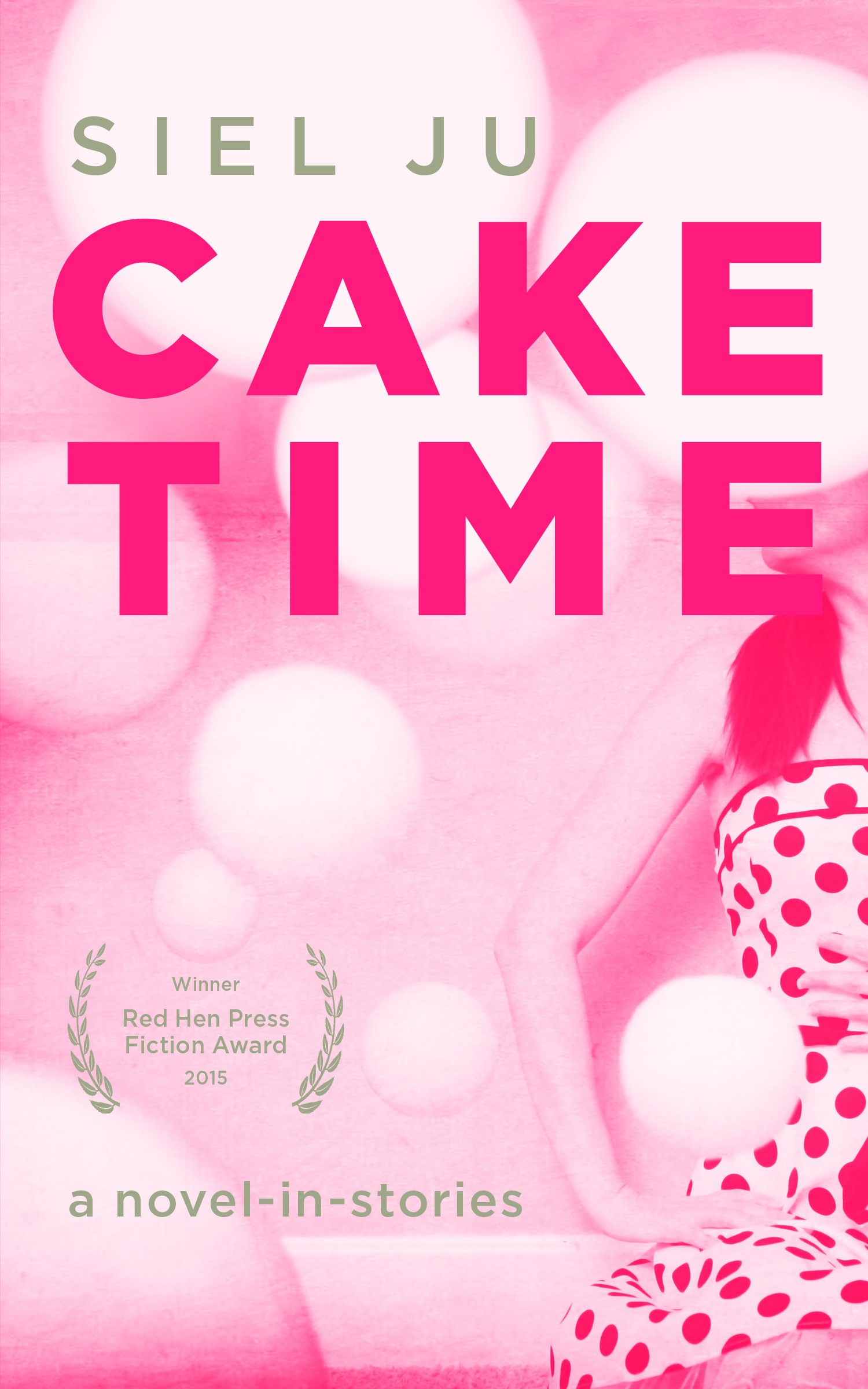
“It didn’t really occur to me that my stories were so much about sex until I started getting the blurbs for my book”: Siel Ju chats with Michelle Ross about her new novel-in-stories, Cake Time.

From the Archives: In this 2011 essay, Baxter writes that a trustworthy review has “a kind of doubleness: the reviewer manages to assert somehow that the book under discussion is of some importance for one reason or another; and second, a good review provides a formal description of the book’s properties, so that you could reconstruct it from the reviewer’s sketch of it.”
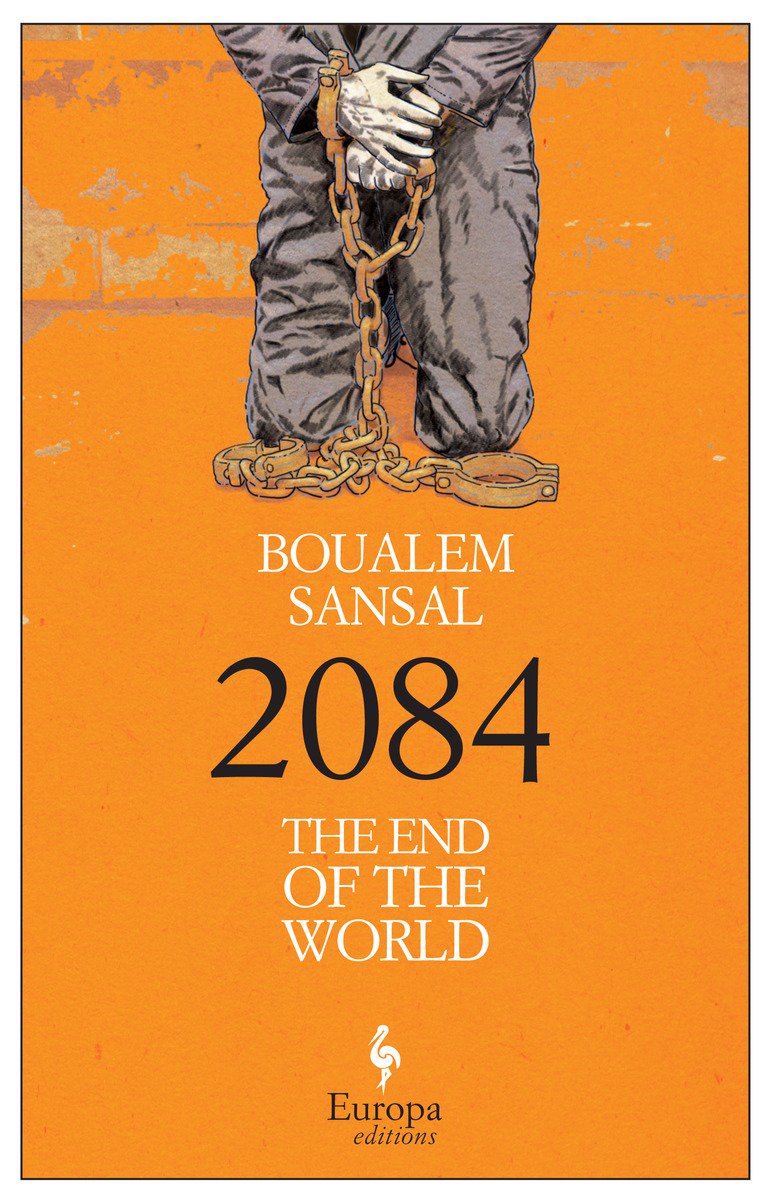
“So how did Sansal pull this off?”: Jenn Solheim on dystopian narrative authority in Boualem Sansal’s 2084.

Learning from your teachers’ teachers: Elizabeth McCracken, V.V. Ganeshananthan, and Rebecca Scherm discuss the writing chain of influence.